Introduction
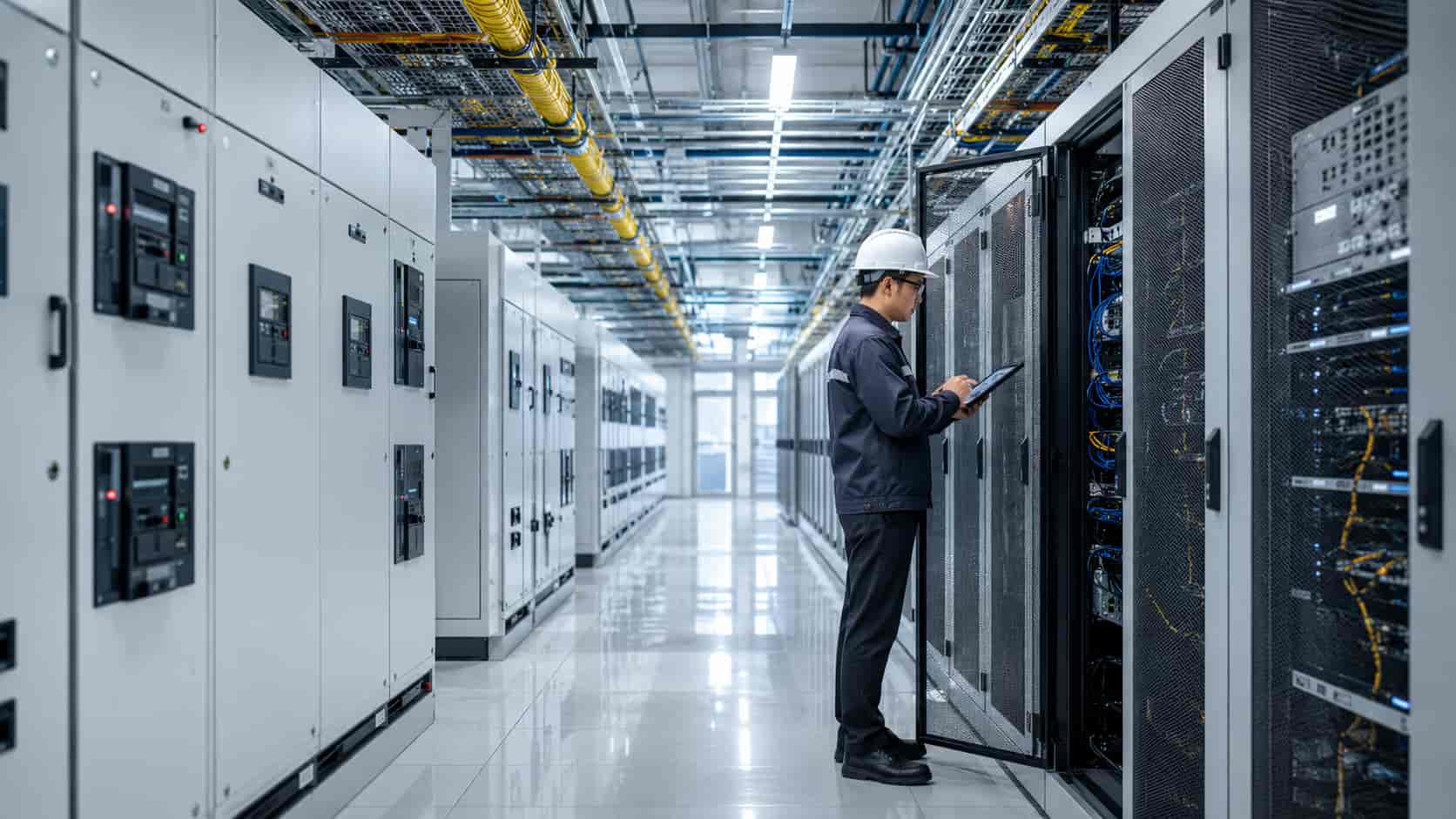
If you’re planning a data center project in 2026, you’ve probably already run into a frustrating reality: the electrical equipment you need is not available on the timeline you need it. This isn’t a supply chain hiccup that will resolve itself in a few months. It’s a structural shortage that’s reshaping how data center developers source power infrastructure.
The demand side: AI is rewriting power requirements
Data center power demand isn’t growing steadily — it’s accelerating. Industry forecasts point to global data center electricity demand nearly doubling by 2030, driven largely by AI training and inference workloads that consume far more power per rack than traditional cloud computing ever did. A single AI-focused facility today can require the electrical infrastructure of what used to be several conventional data centers combined.
This shift happened faster than the electrical equipment manufacturing base could scale to meet it.
The supply side: equipment that used to ship in months now takes years
Here’s where the real bottleneck lives. Before 2020, large power transformers typically shipped within about two years of order. Today, average lead times have stretched to roughly 128 weeks — and high-capacity units can take four to five years. Medium voltage switchgear isn’t much better, with many channels already booked past 2028.
The result: industry estimates suggest that 30-50% of planned U.S. data center capacity in 2026 could face delays — not because of funding, permitting, or chip availability, but simply because the switchgear and transformers aren’t arriving on schedule.
Who's stepping in to fill the gap
This shortage has opened the door for manufacturers outside the traditional supplier base. U.S. imports of high-capacity transformers from China, for example, jumped from under 1,500 units in 2022 to more than 8,000 units in the first ten months of 2025 alone. China’s transformer export value hit a record high last year, growing nearly 36% year-over-year — driven directly by data center construction and electrification demand that established suppliers simply can’t service fast enough.
This isn’t a case of price undercutting. It’s a case of available manufacturing capacity meeting a shortage that legacy suppliers created by not scaling production in time.
What this means if you're sourcing equipment right now
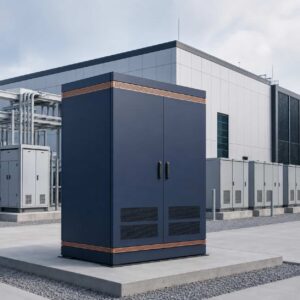
A few practical takeaways for anyone specifying MV switchgear, transformers, or related distribution equipment for a data center project: lock in lead times early rather than assuming standard 12-18 month delivery still applies; diversify your supplier base instead of relying on a single legacy manufacturer with a multi-year backlog; ask about factory testing and not just delivery dates, since a shorter lead time only matters if the equipment is properly FAT-tested before it ships; and consider prefabricated substations, which can compress on-site construction time significantly compared to building a substation piece by piece on location.
Where Kexingyu Power fits into this
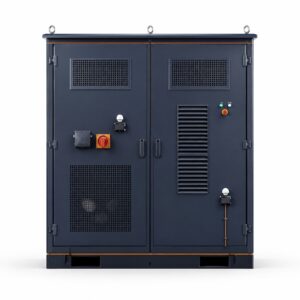
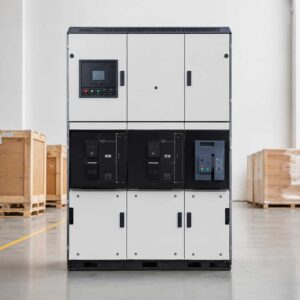
We manufacture MV switchgear, dry-type transformers, and prefabricated substations in-house, with FAT testing completed before export. If your project is facing the lead-time wall described above, it’s worth getting a second quote from a supplier that isn’t already booked through 2028.
(Industry figures cited above reflect estimates as of early 2026 and are subject to change as the market evolves.)