
Data Center Power Cables: What to Specify, What to Verify, and When to Order
Data Center Power Infrastructure — Cables, Switchgear and Critical Power on One Schedule
A data hall needs at least nine separate cable duties, from medium-voltage incoming feeders through UPS output, battery interconnection and earthing, and each is specified against a different standard, tested differently and ordered on its own lead time. Kexingyu Cable Group (KXYE) makes the IEC and GB range in Quanzhou and supplies UL-listed equivalents for North American projects. Copper price lock against the Yangtze River spot benchmark and a committed shipment date come with the first quotation.
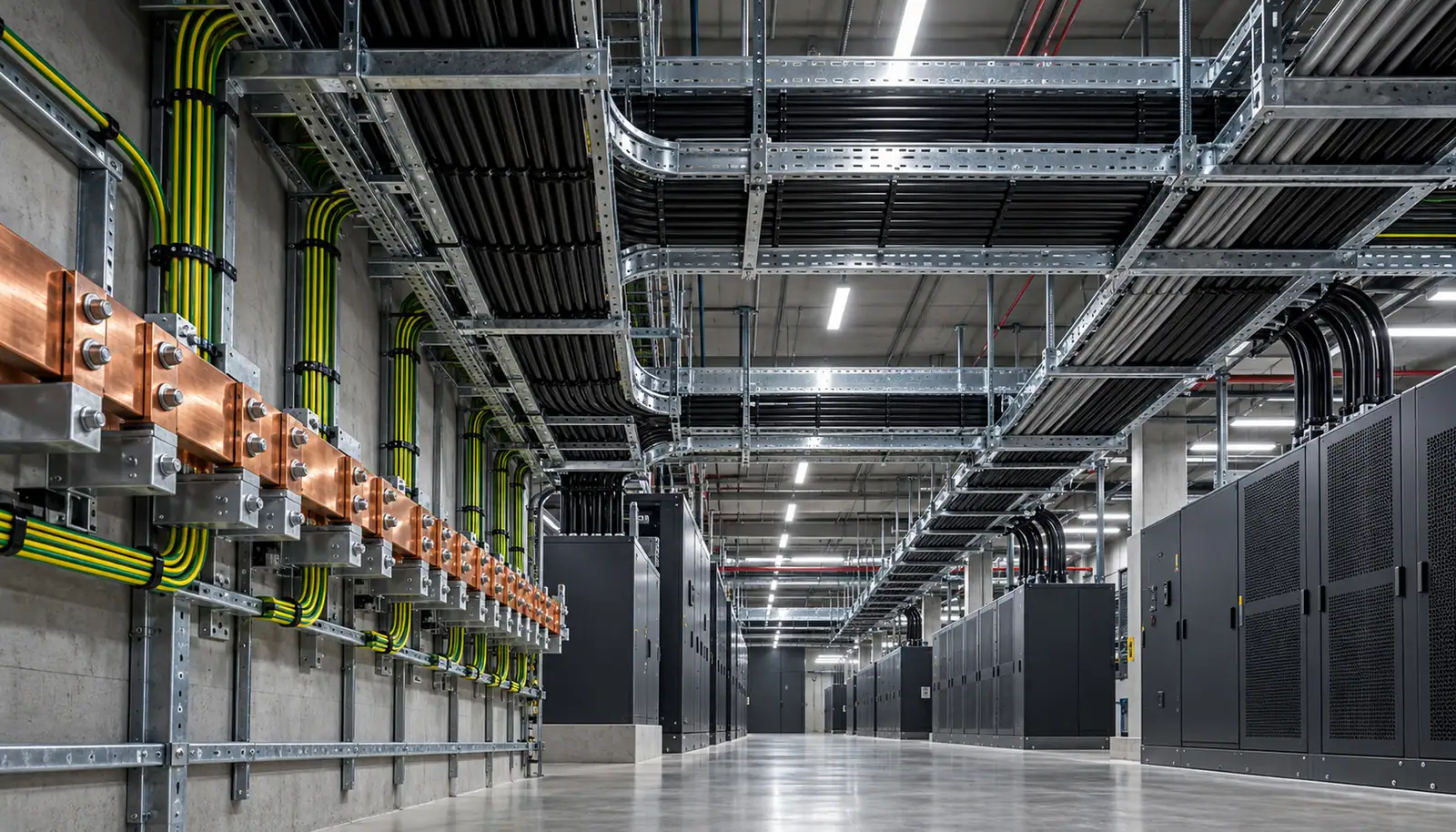
The Nine Duties at a Glance
Every data center cable schedule, whatever the market, decomposes into the same nine duties. Each card below links to the matching product range or a detailed selection guide. Click through, or send the whole schedule and we will map it for you.
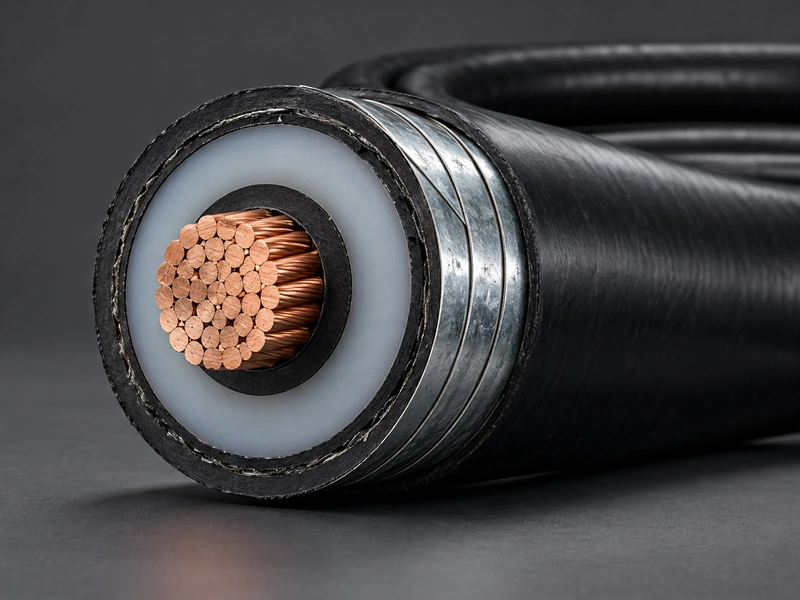
MV incoming feeder
Screened XLPE armoured cable, 6-35 kV, for the run from the utility or on-campus substation.
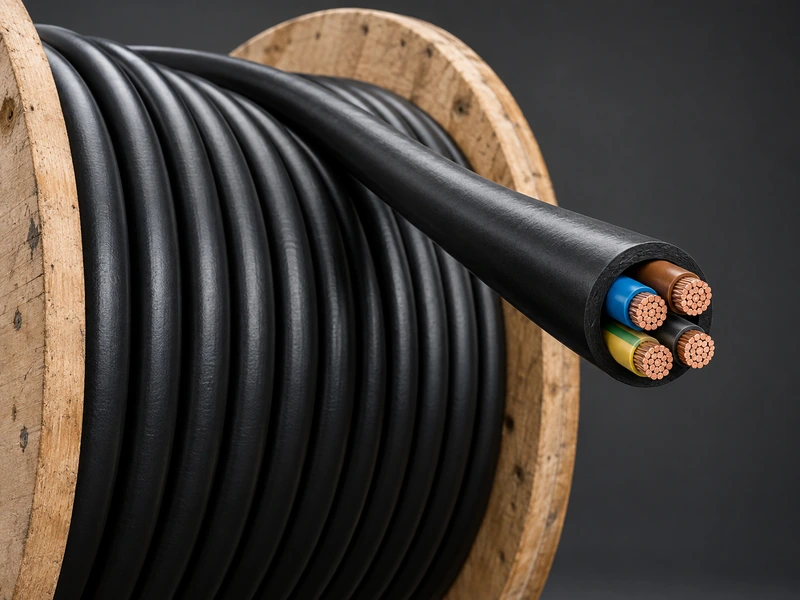
LV main distribution
Multicore XLPE cable for transformer-to-switchboard runs and the distribution spine.
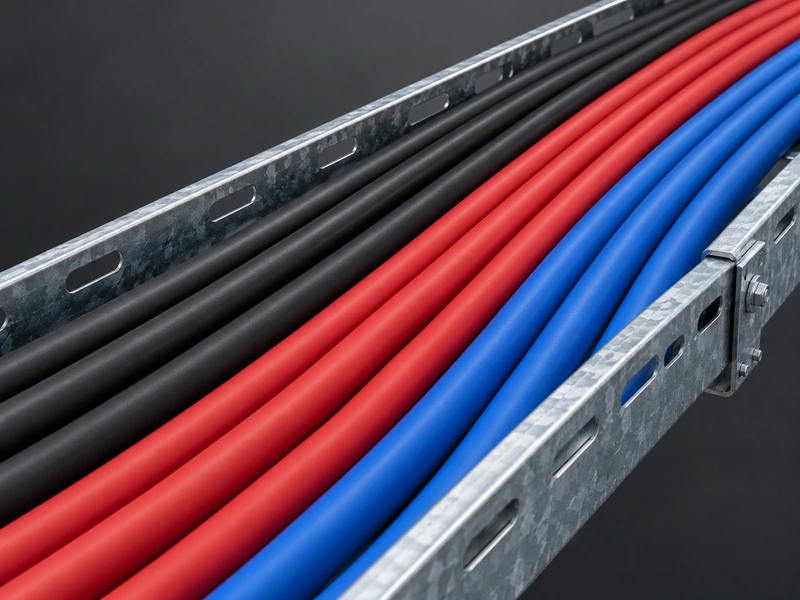
UPS input / output
Building wire and conductors sized for the critical power path between switchboard, UPS and PDU.
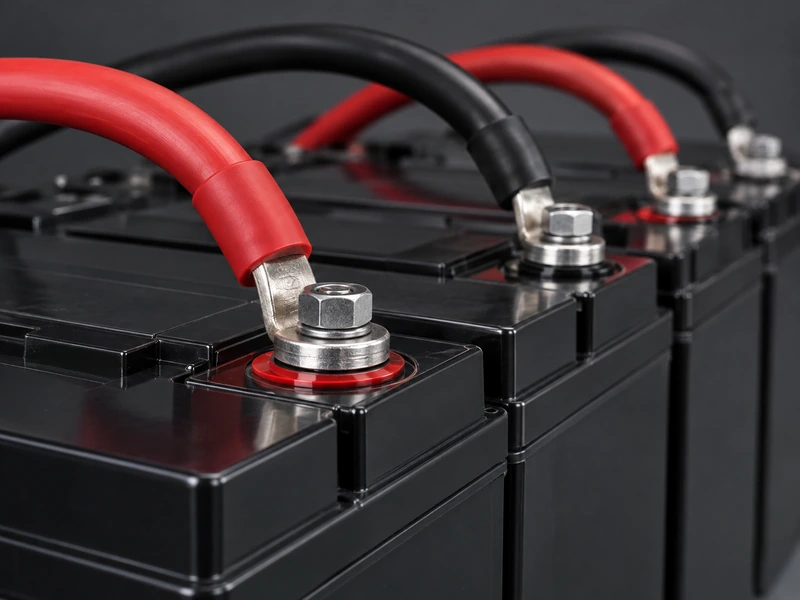
Battery interconnection
Fine-stranded, tinned conductors sized on fault current rather than load.
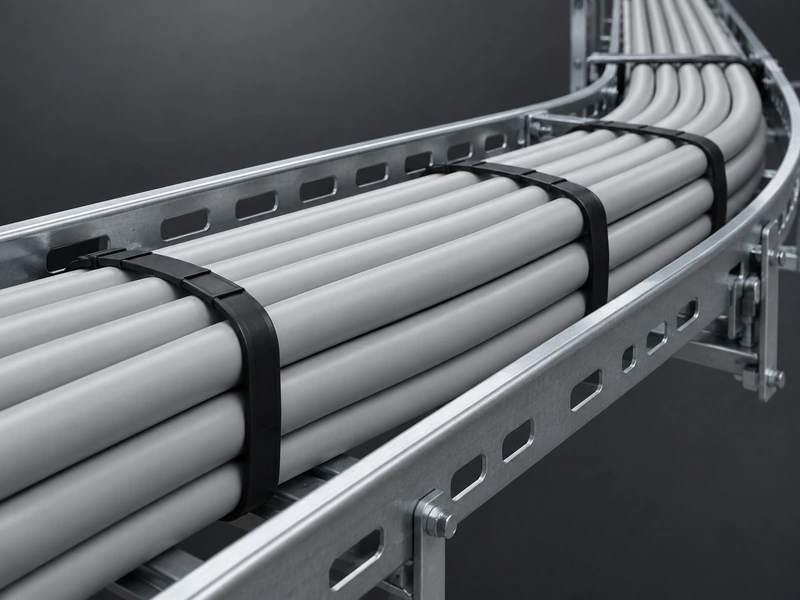
LSZH power runs
Low-smoke zero-halogen constructions for occupied spaces and air-handling plenums.
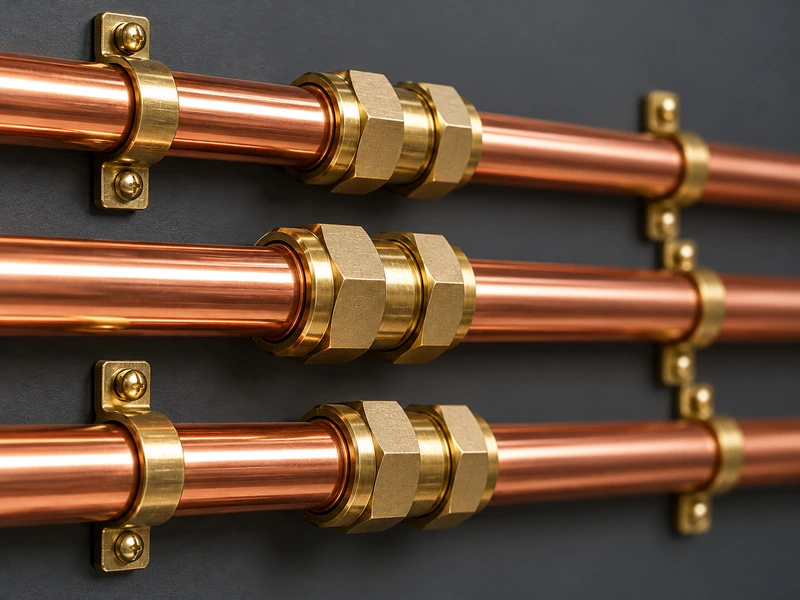
Fire-resistant circuits
Circuit-integrity cable to IEC 60331 and BS 6387 for life-safety and critical loads.
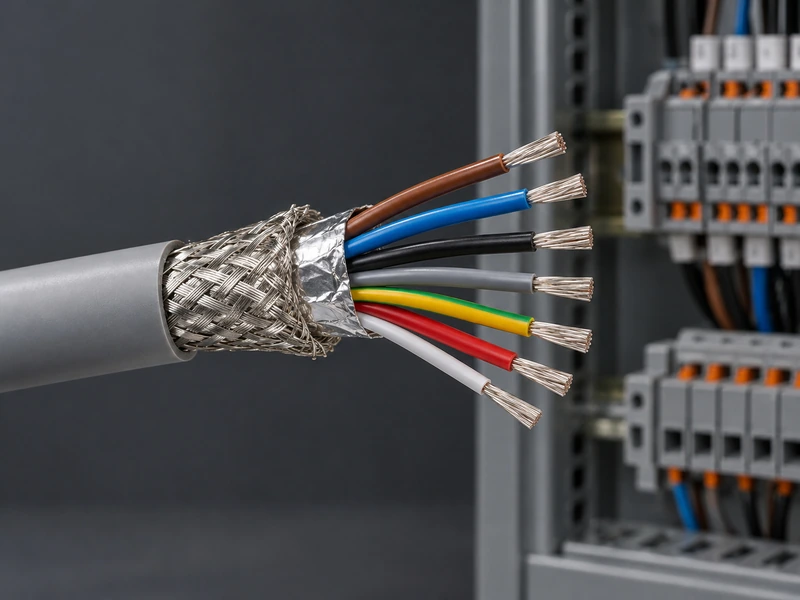
Control & monitoring
Shielded multicore control cable for BMS and EPMS signalling.
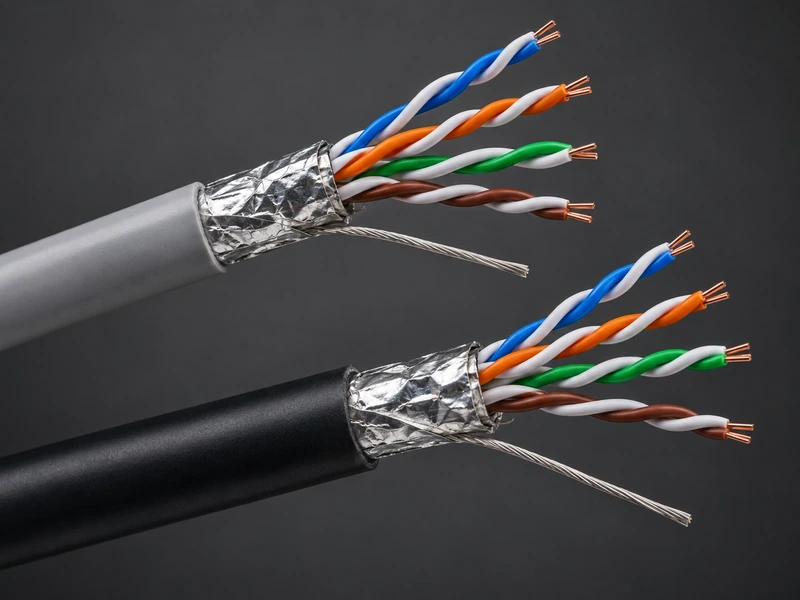
Fire alarm & comms
Fire-resistant RS485 data cable for alarm loops that cross fire compartments.
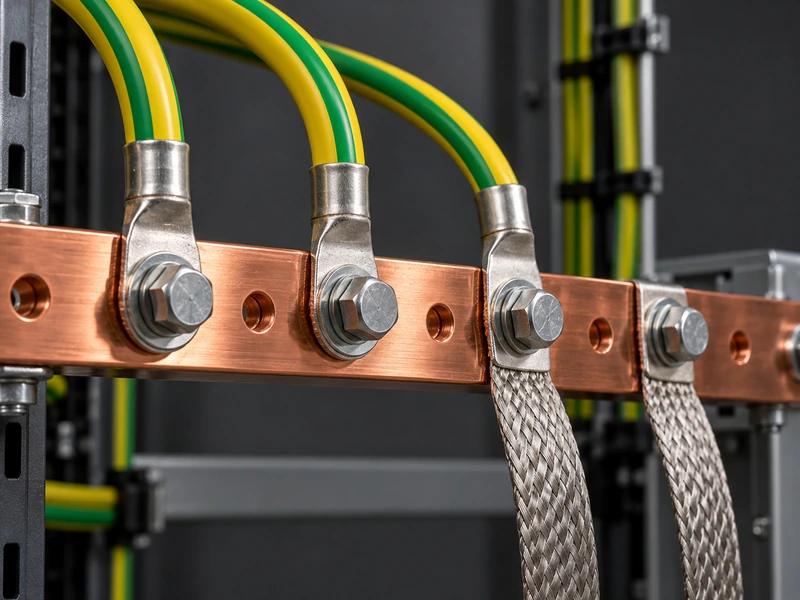
Earthing & bonding
Earth conductors sized from fault level and clearing time, with the calculation attached.
Six of the nine link straight to a product page; battery, LSZH and earthing currently link to selection guides because those SKUs do not yet have dedicated product pages.
IEC/GB or UL? Settle the Standard Basis Before You Talk Price
The most expensive mistake in cable procurement is discovering the standard basis late. A 600 V building wire meeting IEC 60502-1 and a UL 44 XHHW-2 conductor are not interchangeable across a border, and a tariff- or inspector-driven switch after the drums are made is a complete re-manufacture.
Two questions decide it. First, where is the authority having jurisdiction, and what does the local code recognise? North American projects generally want a UL listing; most of Asia, the Middle East, Africa and Latin America work to IEC or a GB equivalent. Second, who is financing and insuring the facility? Insurers and lenders frequently impose their own specification on top of the code, and that document is where the UL requirement usually hides.
| Decision | IEC / GB route | UL route |
|---|---|---|
| Where it applies | Asia, Middle East, Africa, Latin America, most of Europe | United States, Canada, and projects whose insurer or lender specifies it |
| Typical LV conductor | YJV, WDZ-YJY (IEC 60502-1) | XHHW-2, RHH/RHW-2 (UL 44); THHN/THWN-2 (UL 83) |
| Typical MV feeder | YJV22 8.7/15 kV to 26/35 kV (IEC 60502-2) | MV-105, 5-35 kV (UL 1072) |
| Flexible UPS / battery cable | RVV, YVFB (IEC 60228 strand classes) | DLO 2000 V, Type W (UL 44, UL 1650) |
| Low-smoke zero-halogen | WDZ-YJY, WDZN-YJY (GB/T 19666, IEC 60754/61034) | No direct UL category. North American projects use IEC test evidence or an alternative construction |
| What can go wrong | Buyer later finds a UL requirement in the insurance schedule | Buyer assumes IEC test evidence will satisfy a North American inspector |
One caution on certificates. Some suppliers hold one route and quietly present the other as equivalent. Ask for the certificate number and the standard it is issued against, then check who the certificate holder actually is. Supply through a qualified partner is a normal arrangement, but the quotation should say so, and the test reports should come from whoever holds the listing.
Medium-Voltage Incoming Feeders
MV feeders carry the highest unit cost and the longest lead time, so they are where schedule risk concentrates. On a utility-side or on-campus substation feed, the cable is usually the last item to arrive and the first to block energisation.
Three things drive price on an MV feeder: conductor size and material, screen and sheath construction, and whether the route is buried or in tray. Copper versus aluminium is a genuine decision rather than a habit. Aluminium saves on material but needs larger ducts and more careful termination, and on some projects the termination labour eats the saving. If the run is long and the fault level is high, the short-circuit withstand requirement often sets the size, not the load current.
For a project-specific walk-through, see our page on MV cable for data centers. Three lines in the RFQ prevent most of the rework:
- State the fault level and clearing time. Without them the manufacturer will size on load current and you will find out at design review.
- Name the burial condition. Direct burial, duct, or tray changes the sheath and the drum length planning.
- Fix the drum lengths before manufacture. On long runs, joint positions should be designed, not discovered.
Demand the type test report plus the routine test certificate for the actual drums delivered, not a certificate for a different batch. Site-standard mistakes that surface at inspection are catalogued in our note on data center cable specification mistakes.
LV Distribution and the UPS-to-PDU Path
Low-voltage work is where the volume is and where most of the value engineering happens. The critical distinction is between conductors that are pulled once and left alone for twenty years, and conductors that get handled, dressed and re-dressed during commissioning and later rack changes.
Rigid XLPE-insulated cable is the right answer for bus-fed distribution inside switch rooms and ducts. It is cheaper, dimensionally stable, and it does not need a support system overhead. Flexible cable earns its premium on the UPS-to-PDU path and on final runs into PDUs, where repeated handling of a rigid conductor inside a confined ladder work-hardens the strand and eventually cracks it. The failure shows up as intermittent voltage drop rather than a clean fault, which makes it miserable to diagnose.
A/B feeds deserve their own line on the schedule. Redundant feeds are only redundant if their cable routes are independent, and that is a route-planning decision made long before the cable is ordered. Our note on redundant power feeds covers the separation requirements buyers usually miss.
LSZH, Flame-Retardant and Fire-Resistant Are Three Different Purchases
This is the most common specification error in the category, and it survives review because the three terms sound interchangeable in a toolbox talk. They are not. Each maps to a different test, a different failure mode and a different cost.
Flame-retardant answers “will this cable spread fire along a tray?” (bundle flame spread, IEC 60332). Low-smoke zero-halogen answers “if it does burn, what comes off it?” (smoke density per IEC 61034, acid gas per IEC 60754). Fire-resistant answers “does the circuit keep working while the fire continues?” (circuit integrity per IEC 60331 or BS 6387, for a stated survival time).
A cable can be excellent on one axis and irrelevant on another. A halogen-free jacket that still propagates fire along a vertical shaft is a hazard, not a solution. So when a specification says “fire-rated cable” with no survival time and no category, treat it as incomplete and get it split into the three questions before the enquiry goes out. Every supplier will quote a different assumption, and the cheapest quote will be the one that assumed least.
| Property | Test basis | Question it answers | Evidence to demand |
|---|---|---|---|
| Flame-retardant (FR) | IEC 60332-3, GB/T 18380 | Does fire travel along the cable bundle? | Bundle flame-spread test report at the specified category |
| Low smoke (LS) | IEC 61034 | How much light does the smoke block? | Smoke density percentage at the test duration |
| Zero halogen (ZH) | IEC 60754-1/-2 | What acid gas is released, and how much? | Halogen content and pH/conductivity results |
| Fire-resistant (FP) | IEC 60331, BS 6387, GB/T 19216 | Does the circuit survive the fire, and for how long? | Circuit-integrity report with the category stated (C, W or Z) |
Detailed selection logic and the full model range sit in our page on mineral-insulated cable for fire circuits.
Battery Interconnection, Control Wiring and Earthing
These three duties together are usually under five per cent of the cable value and cause a disproportionate share of commissioning delays. They are also the easiest to get right, because the requirements are unusually specific.
Battery interconnection is a short-circuit duty, not a load duty. The conductor has to survive the battery’s prospective fault current for the clearing time, and do so while being connected and reconnected during maintenance. Size it on the fault current, specify a tinned conductor if the room is not sealed, and put the terminal torque values in the installation package.
Control and monitoring wiring carries the BMS and EPMS signals. Whether these cables work depends less on the conductor and more on the shield and the routing. Specify shield coverage percentage explicitly, and check that separation from power runs is stated in the drawing rather than left to the installer. Interference found after energisation usually means re-routing, not re-terminating. Selection guidance is on our BMS and control cable page.
Earthing and bonding is the one duty where a calculation, not a catalogue, determines the size. The cross-section derives from the prospective fault current and the clearing time, and the derivation should travel with the purchase order. Buyers who order earthing by habit end up with conductor that is either oversized and wasteful or undersized and rejected at inspection.
Busway or Cable? How to Decide the Main Distribution Path
Main distribution in a data hall is increasingly built as overhead busway with cable serving the final drops. Knowing where the crossover sits lets you hold the conversation with your design team instead of discovering the decision after the feeder has been ordered.
The deciding variable is usually continuous current on the main path, with route geometry and local labour rates as modifiers. Busway wins where current is high, the run is long or vertical, and tap-off points will move over the life of the facility. Cable wins where the route has to weave around existing services, where final loads are scattered, and where electrician cost is low.
| Main path current | Usually better | Reason |
|---|---|---|
| Up to 600 A | Cable in tray | Material cost is materially lower and the pull labour stays manageable |
| 600 - 1,200 A | Cable, with exceptions | Still cheaper unless the route is genuinely constrained |
| 1,200 - 2,500 A | Depends on route | Both are defensible; the tie-breaker is routing complexity against local labour rates |
| Above 2,500 A | Busway | Parallel cable sets multiply copper tonnage, pull labour and space, and stop being the cheap option |
Two factors are worth naming in the same meeting. Space: a busway run occupies roughly a quarter to a third less volume than the equivalent tray-and-cable arrangement, which matters in halls with low ceiling voids. Heat: conductors in a busway enclosure sit at their full rating, whereas cables bunched in tray usually need derating, so the gap in usable ampacity is wider than a cross-section comparison suggests. Neither point makes cable the wrong answer for the main path. But a hybrid layout, busway for the spine and cable for the drops, is now the default in most new halls, and it is the layout that puts the most cable under our scope.
Thresholds above are rules of thumb for early-stage planning, not a substitute for a load schedule, fault study and route drawing. The full comparison, including cost bands, is in our busway versus power cable analysis.
Copper Price Lock and Lead Time: Commit to Numbers, Not Adjectives
Cable is a copper trade with an insulation business attached. On a large data center package, the metal is the majority of the cost and it moves daily, which means a quotation that holds for a week and a quotation that holds for a quarter are two different commercial instruments.
KXYE quotes against the Yangtze River spot copper benchmark and can lock the metal component for a stated window once the specification and quantity are firm. That is a different offer from “we will revisit pricing at order”, and it is the one worth putting in your bid comparison, because it converts a price risk into a fixed number your own client can accept. Demand growth from data center build-out is itself a driver on the copper side, which is the argument for locking rather than waiting. The background is on our copper demand and data centers page.
Lead time works the same way. A supplier who quotes ten to twelve weeks for MV feeder cable and then delivers in fourteen has done nothing unusual; a supplier who quotes fourteen and hits it has given you a schedule you can build on. Ask for the quoted weeks in writing, ask what part of the order the number covers, and ask whether the number holds if the drum lengths change.
When a Cable Supplier Is the Wrong Answer
There are projects where buying cable through a specialist supplier adds cost instead of removing it. Naming them saves everyone a round of emails.
- The standard basis is not settled. If the insurer has not confirmed whether UL is required, do not order. Re-manufacture of an MV feeder is not a change order, it is scrap.
- The load schedule is still moving. Cable size follows current. Ordering before the schedule freezes means either over-buying or re-buying.
- Only one cable duty is in scope. On a single line item worth a few thousand dollars, freight and documentation can exceed the goods. Consolidate it with a larger electrical package or buy locally.
- You need on-site terminating labour. Cable supply is not a contracting service. Jointing and termination crews have to be contracted separately, and awarding that work to the cable supplier only pays if they can genuinely support it.
- Your programme has no float and no booking. Locked-in copper and a committed shipment date both depend on placing the order in time. A supplier cannot compress a mill schedule, and asking one to is how projects end up with substituted material.
The full pre-order sanity check, including the paperwork that must close out before release, is in our EPC cabling checklist.
RFQ Checklist: Seven Things to Send With Your Enquiry
Enquiries that arrive with these seven items get a firm number back the same day. Enquiries without them get a range, and ranges cannot be budgeted.
Send this, get a firm price
- Cable schedule or BOQ. Any format works — Excel, PDF, or a marked-up drawing. If you have a schedule number, quote it.
- Fire performance requirement, split three ways. Flame-retardant, low-smoke zero-halogen, and fire-resistant are separate answers, not one box.
- Standard basis. IEC/GB, or UL. This single line determines which production route your order takes.
- Installation method. Tray, duct, direct burial, raised floor or plenum. It decides the sheath and the construction.
- Scale. Total kW, transformer rating, or rack count — enough for us to sanity-check the schedule against the building.
- Destination country and required delivery window. These set the packing, the shipping route and whether a copper lock can be offered.
- Whether you want the copper component locked. If yes, tell us the target order date, because the lock window runs from order placement.
Data center expansion is placing growing pressure on electrical infrastructure supply chains. Switchgear, transformers and critical-power equipment can become schedule-critical items long before a facility is ready for commissioning. Kexingyu Power provides a coordinated manufacturing and supply route covering medium- and low-voltage distribution, transformers, UPS systems, power distribution and cables — helping project teams reduce sourcing complexity and improve delivery predictability.
Coordinated Equipment Package
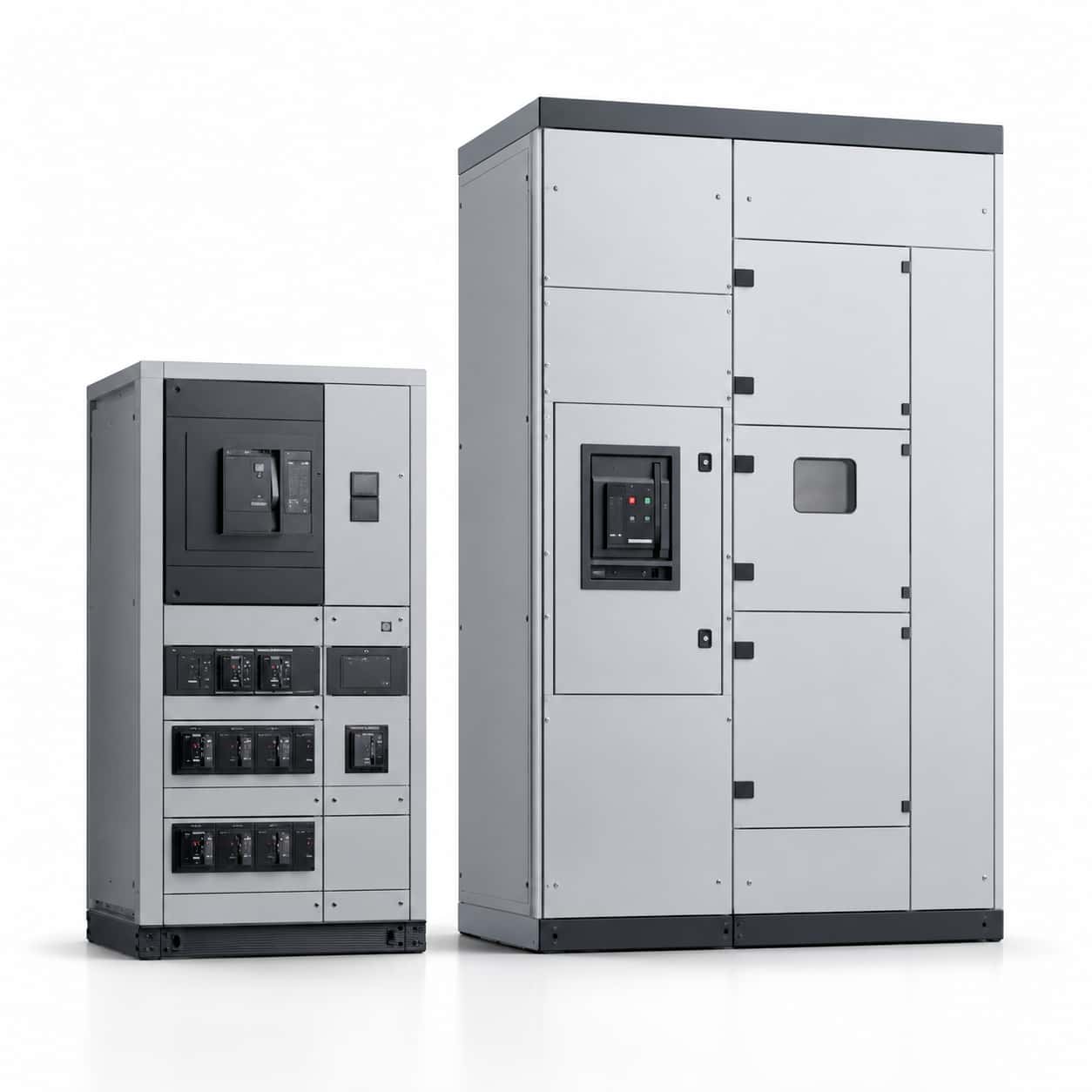
MV Switchgear
Medium-Voltage Distribution
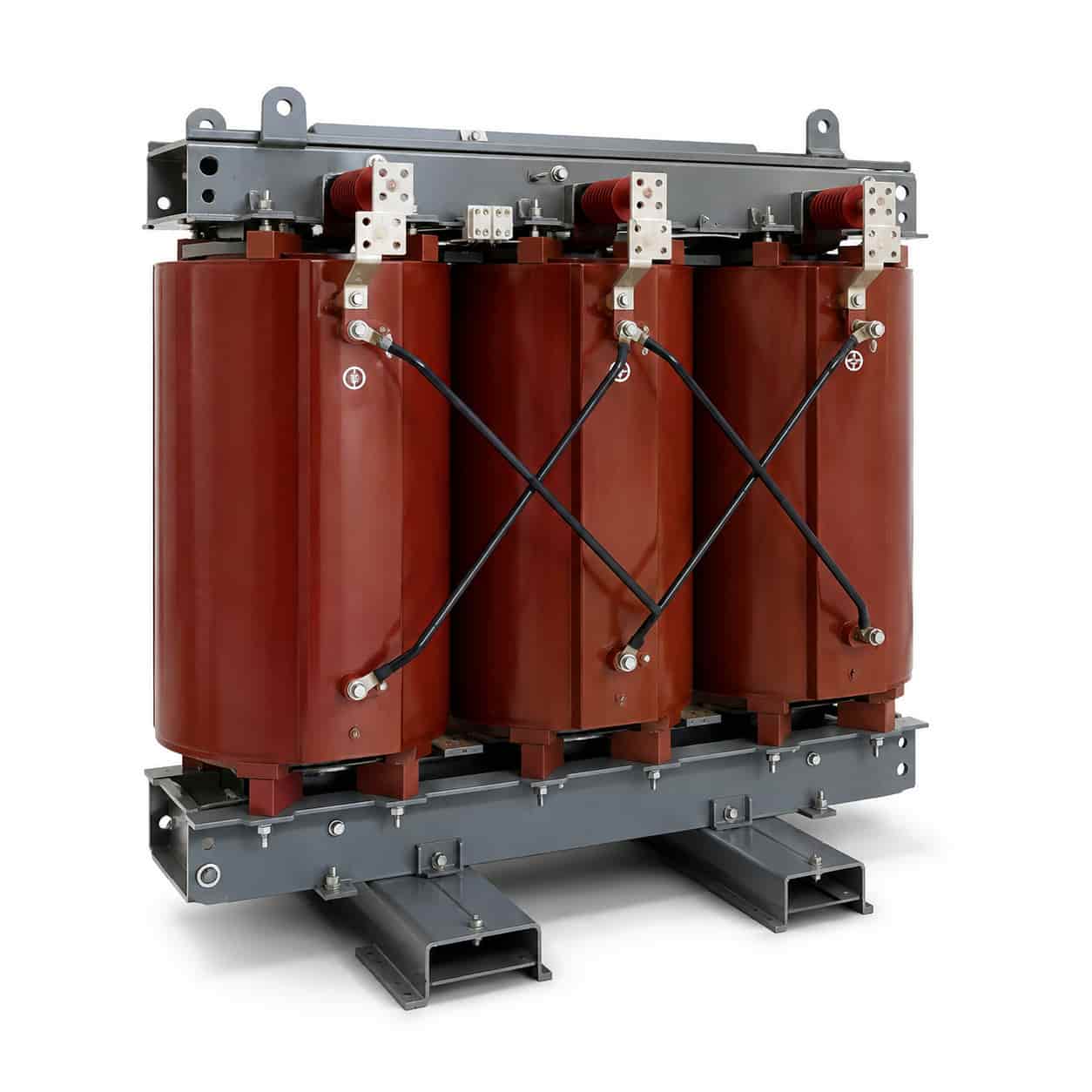
Dry-Type Transformers
Data Center Transformer Systems
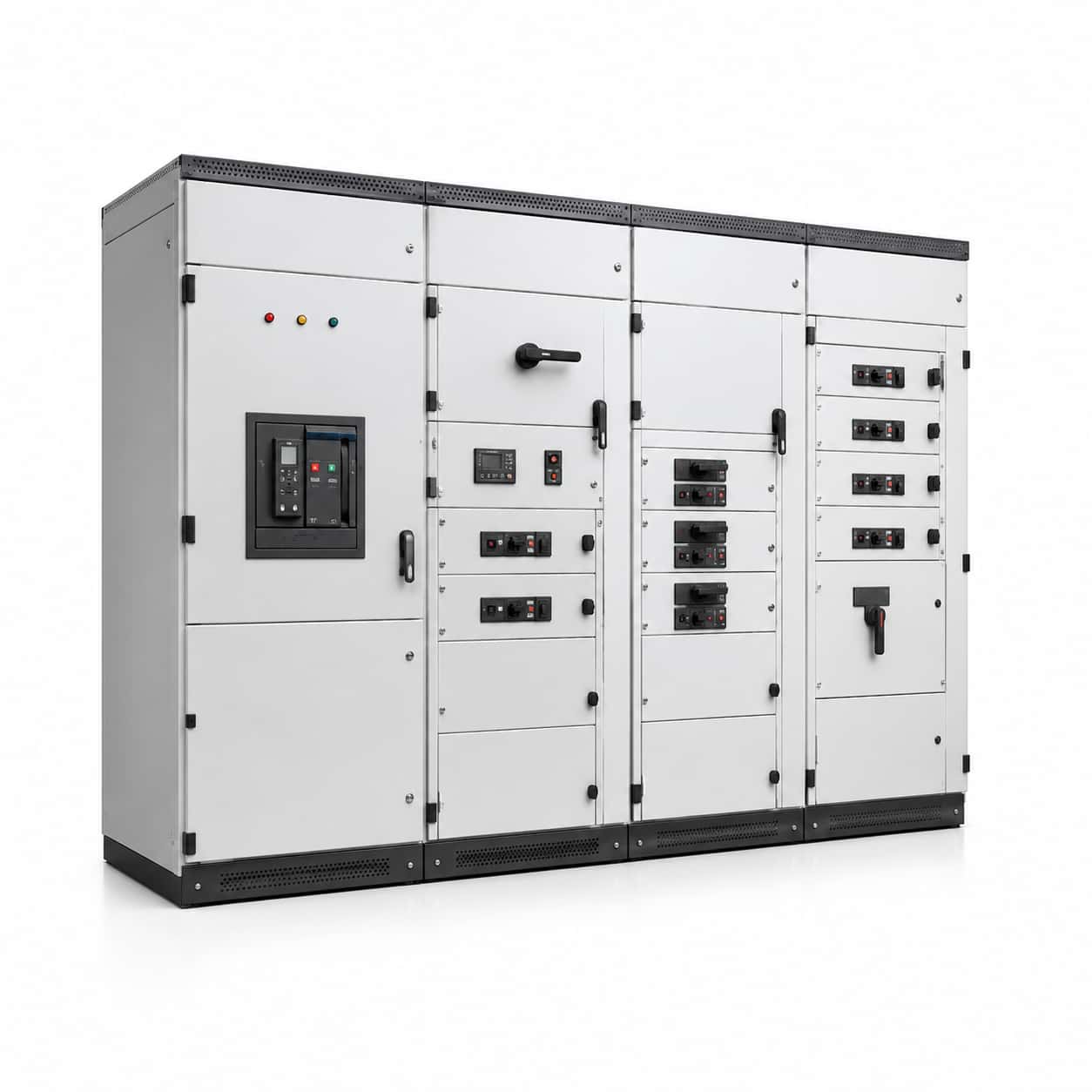
LV Switchboards
Low-Voltage Power Distribution
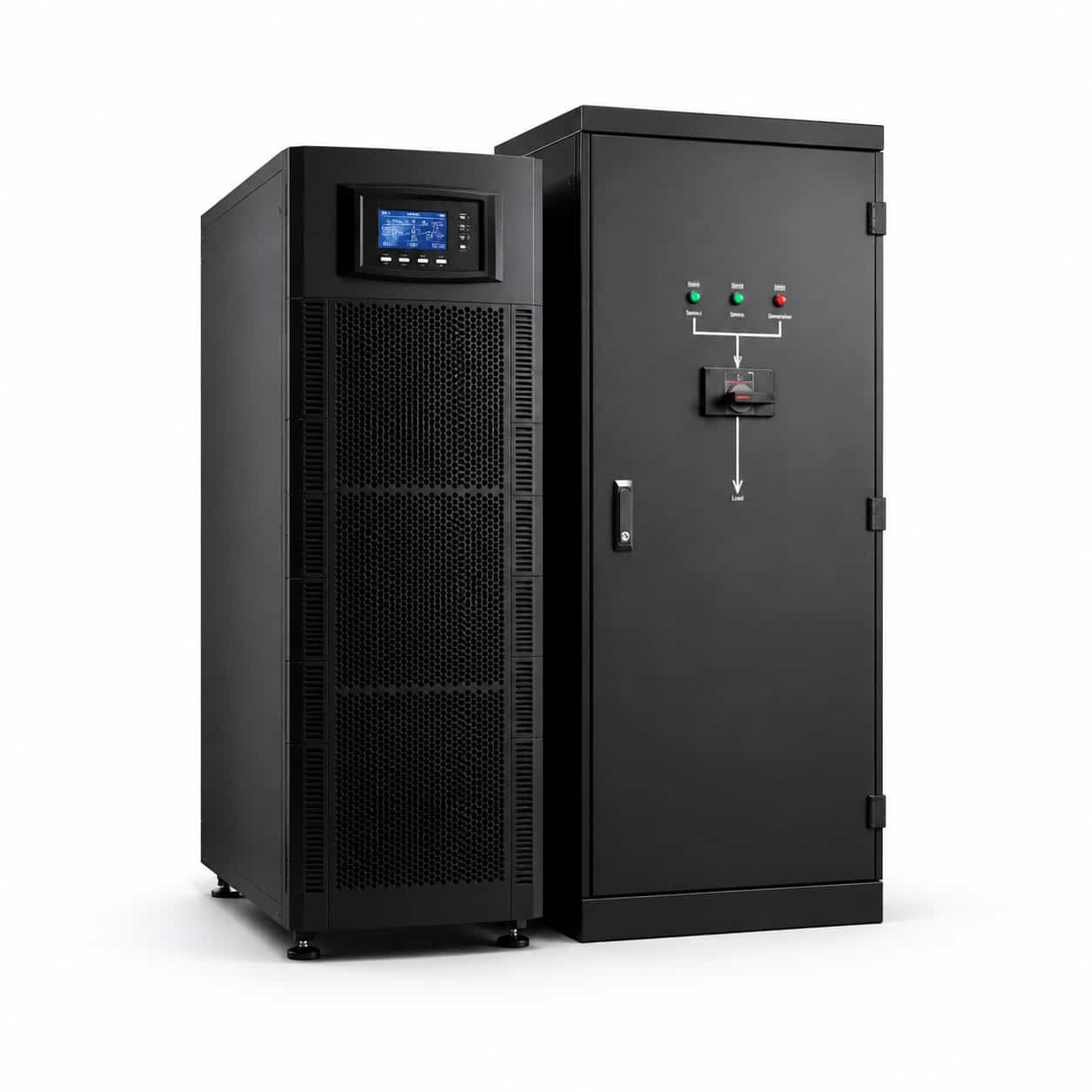
UPS + ATS / STS
Critical Power Continuity
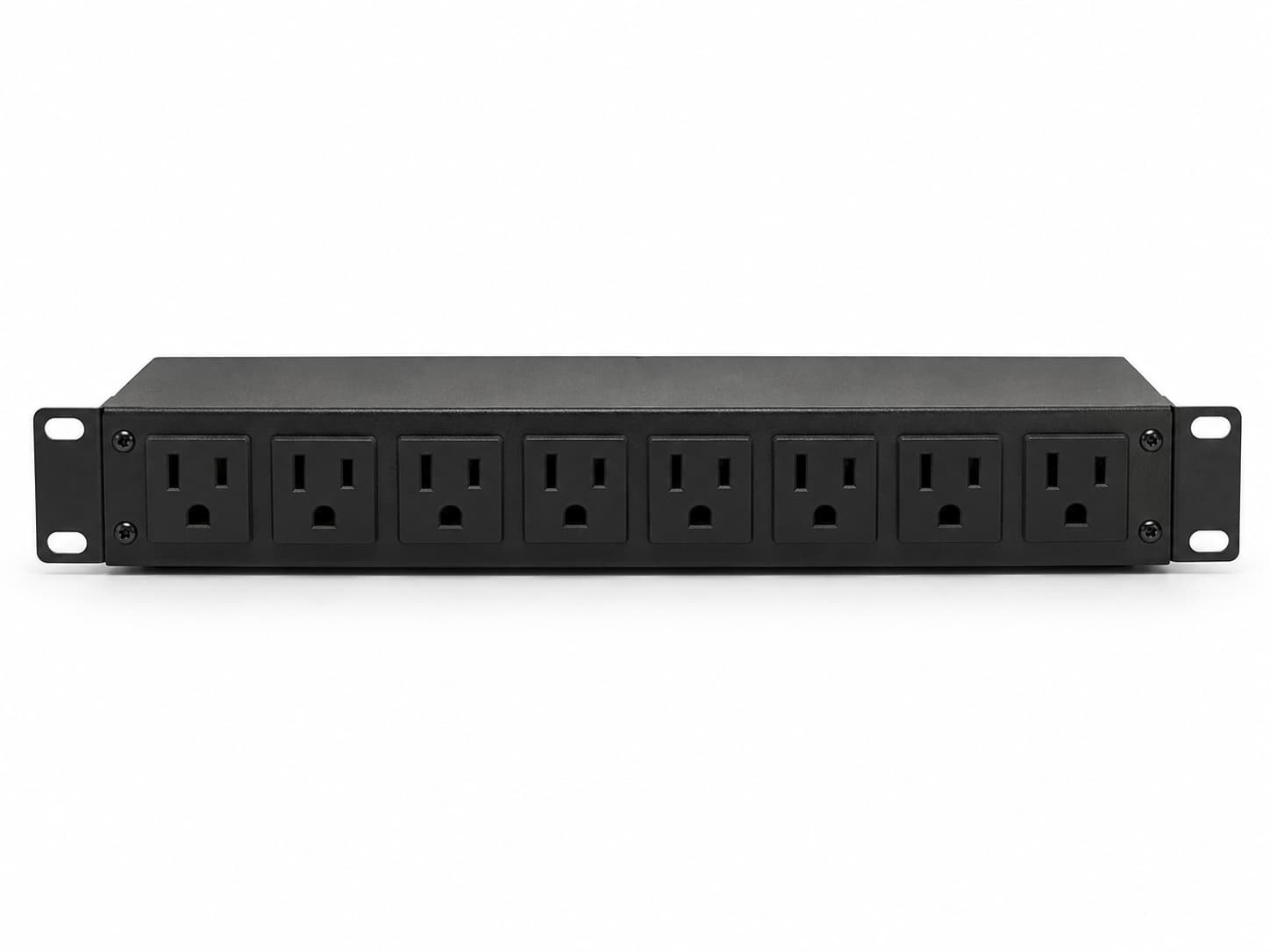
Power Distribution Units
Power Distribution to IT Loads
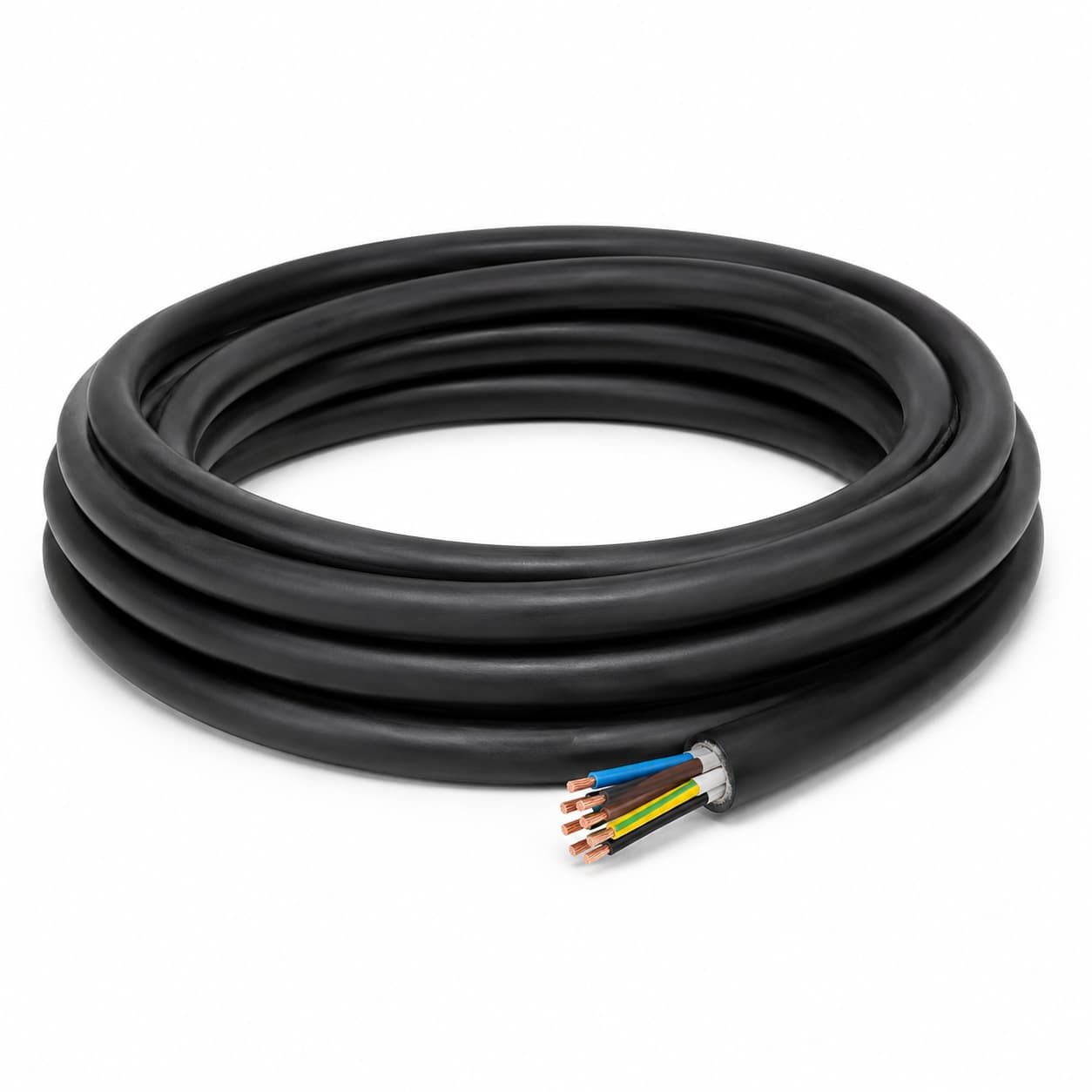
Power Cables
LSZH Power & Control Cables
Faster Delivery
In-house and coordinated manufacturing for shorter, more predictable lead times.
Standards & Documentation
IEC-based specifications, CE where applicable, ISO 9001 quality management and project-specific test reports.
One Coordinated Package
Six coordinated product lines, one supplier and one project delivery schedule.
Standards and Documentation
Every order ships with the documentation package for its own standard basis, and the exact list is agreed at order stage rather than assumed. In practice that means IEC-based specifications for the IEC/GB route, CE marking where applicable, ISO 9001 quality management, and project-specific type and routine test reports against the standard named in your specification. Where a project requires a standard-basis map across IEC, GB and North American codes, our data center power standards map is the starting point. Certification scope, model numbers and test documentation are confirmed against the order before manufacture; they are not held as a generic capability statement.
Frequently Asked Questions
Conclusion
Data center cable procurement rewards teams who close out the specification before they close out the price. Settle the standard basis, split the fire requirement into its three separate questions, get a written lead time and a locked copper figure, and the rest of the package becomes a scheduling exercise rather than a negotiation.
Kexingyu Cable Group has been making cable in Quanzhou since 1996, holds CCC, ISO and production licensing across the IEC range, and supplies UL-listed equivalents through qualified partners for North American work. Send a cable schedule, a fire requirement and a delivery window, and we will come back with a firm number. Start with our cable and wiring systems range, or send your project straight through.
From Project Submission to Global Delivery
A controlled project workflow covering engineering review, equipment interface coordination, manufacturing, factory acceptance testing and export delivery.
-
01
Project Submission
Project requirements, specifications, drawings and technical documentation are submitted for initial review.
-
02
Engineering & Technical Review
Engineering review covers specifications, compliance requirements, equipment interfaces and overall system requirements.
-
03
Manufacturing, QA & FAT
Production, in-process quality control, final inspection and factory acceptance testing are completed before shipment.
-
04
Export Packing & Delivery
Export packing, shipping documentation, logistics coordination and project handover are managed through one delivery process.
Why Kexingyu?
Data center power projects require multiple electrical systems to work together — not simply individual products from different suppliers. Kexingyu Power coordinates switchgear, transformers, UPS systems, transfer switching, power distribution and cables under one project scope, helping reduce vendor interfaces, documentation gaps and delivery conflicts.
From technical review and equipment matching to FAT, export documentation and shipment coordination, our goal is to give project teams one accountable supply partner for the electrical package.