
IEC 60811 Mechanical Tests: Tensile, Elongation and What They Predict

Flame Retardant Categories ZA, ZB, ZC: Matching Cable to Risk Level
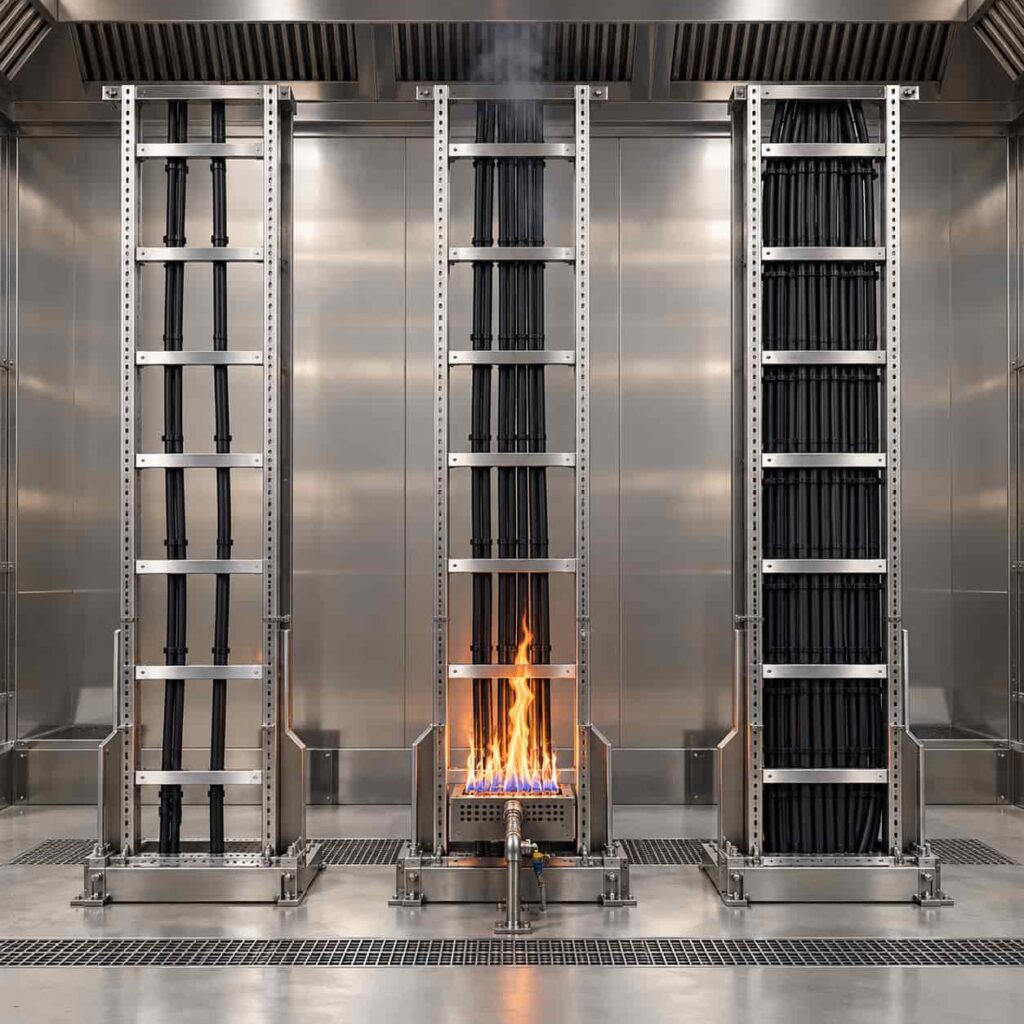
Flame Retardant Categories ZA, ZB, ZC: Matching Cable to Risk Level Quick Answer: ZA, ZB and ZC grade flame retardancy by the bundled cable load in the test — the correct grade is set by how much cable shares the tray. Flame retardancy sounds like a yes-or-no property, and buying it that way is the […]
GB 31247 Burning Behavior Classes: What B1 Cable Really Means

GB 31247 Burning Behavior Classes: What B1 Cable Really Means Quick Answer: GB 31247 grades cable burning behavior into B1, B2 and B3 classes — and a B1 claim without the test report naming that class is a word, not a property. Fire codes have stopped asking whether a cable burns and started asking how […]
IEC 60228 Conductor Classes 1, 2, 5 and 6: Stranding Matters
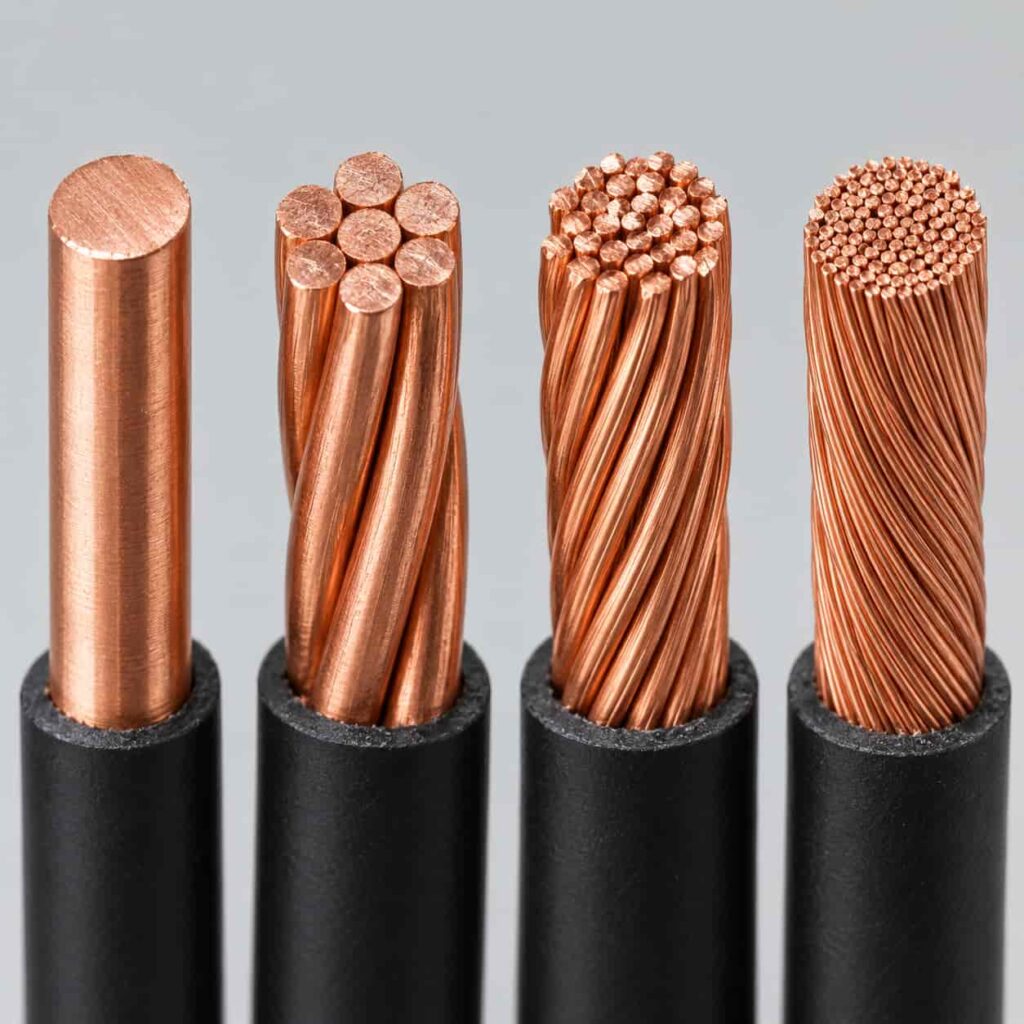
IEC 60228 Conductor Classes 1, 2, 5 and 6: Stranding Matters Quick Answer: IEC 60228 grades conductors by flexibility — solid, stranded, flexible, extra-flexible — and naming the class in the RFQ is the difference between clean terminations and fatigue at the gland. Two cables can carry the same cross-section, the same insulation and the […]
Cable Cross-Sections in mm²: A Conversion Guide for Global Buyers (AWG vs mm²)
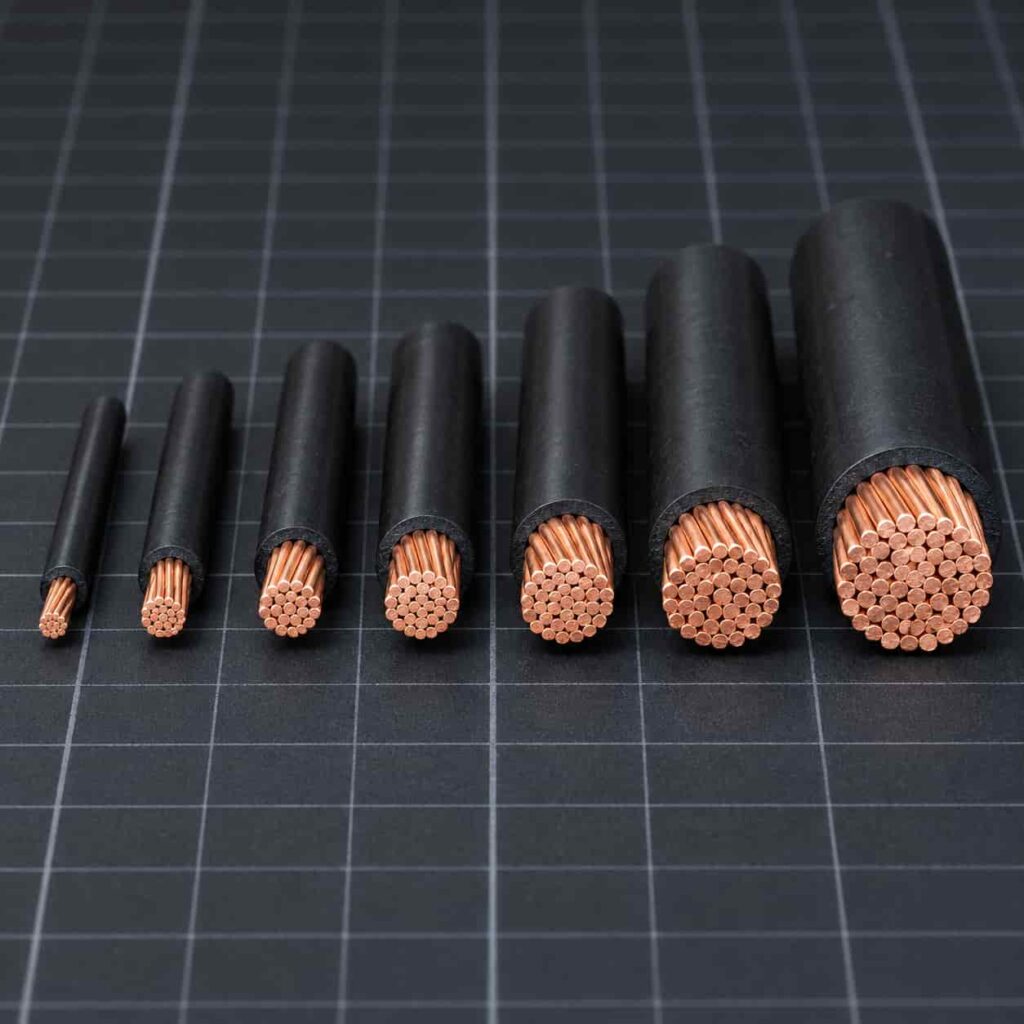
Cable Cross-Sections in mm²: A Conversion Guide for Global Buyers (AWG vs mm²) Quick Answer: AWG, kcmil and mm² are three languages for the same copper — the size conversion is a fixed table, but ampacity never converts with it. Every international cable transaction crosses this border somewhere: a US specification reads 4/0, the Chinese […]
EN 60204-1 Explained: Electrical Wiring Rules for Machinery
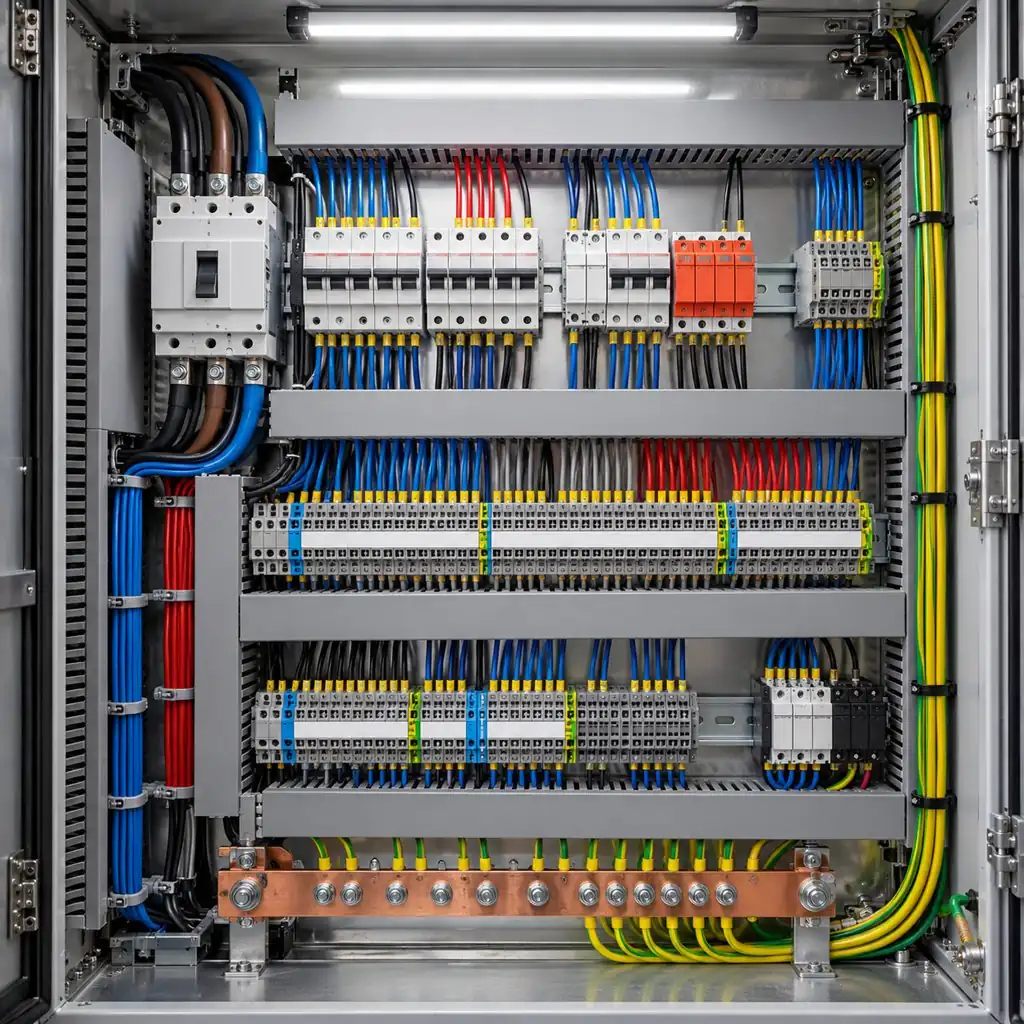
BV and BVR Building Wire: What International Buyers Should Know
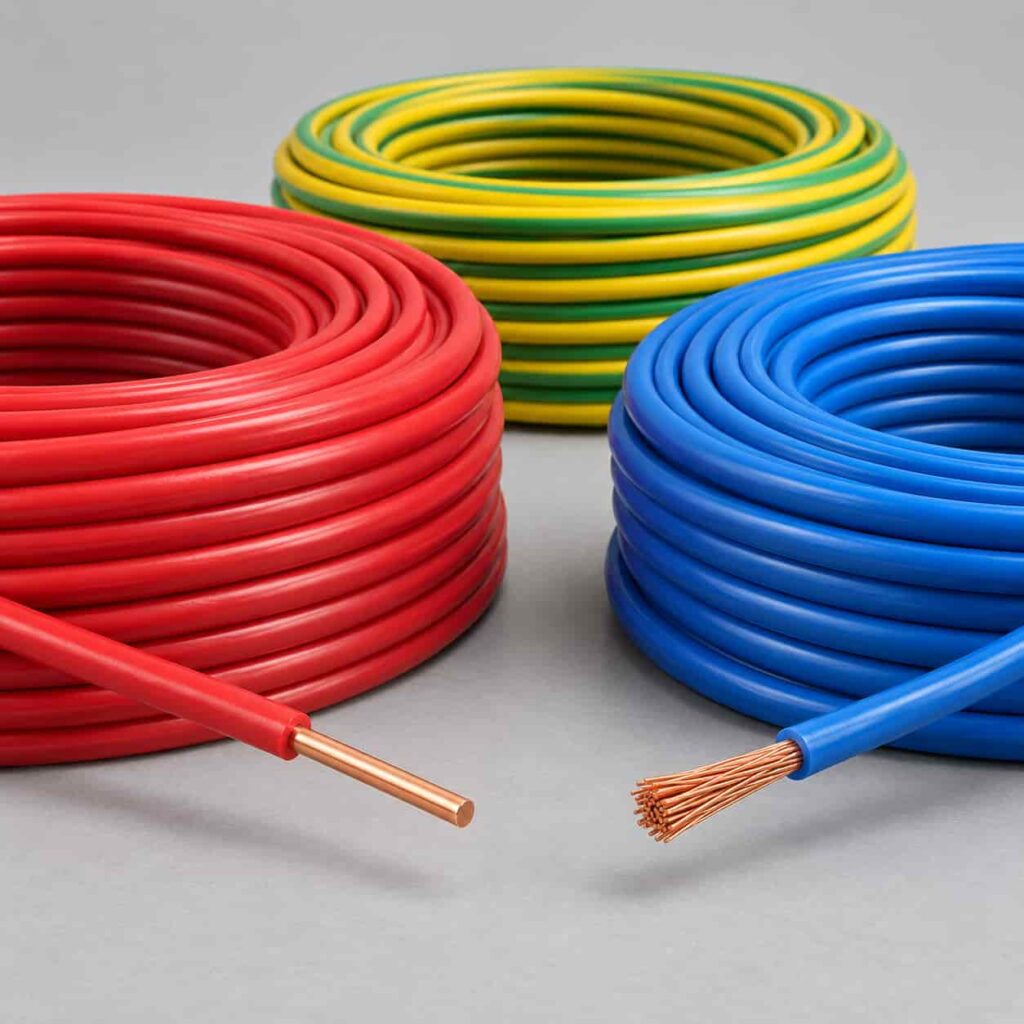
BV and BVR Building Wire: What International Buyers Should Know Quick Answer: BV and BVR are China’s standard single-core building wires — BV solid conductor for fixed conduit runs, BVR stranded where bends and vibration demand it. Bulkier cables get the attention, but buildings are actually wired in single cores: kilometers of insulated copper pulled […]
Motion Cable Standards Explained: A Map of What Applies Where
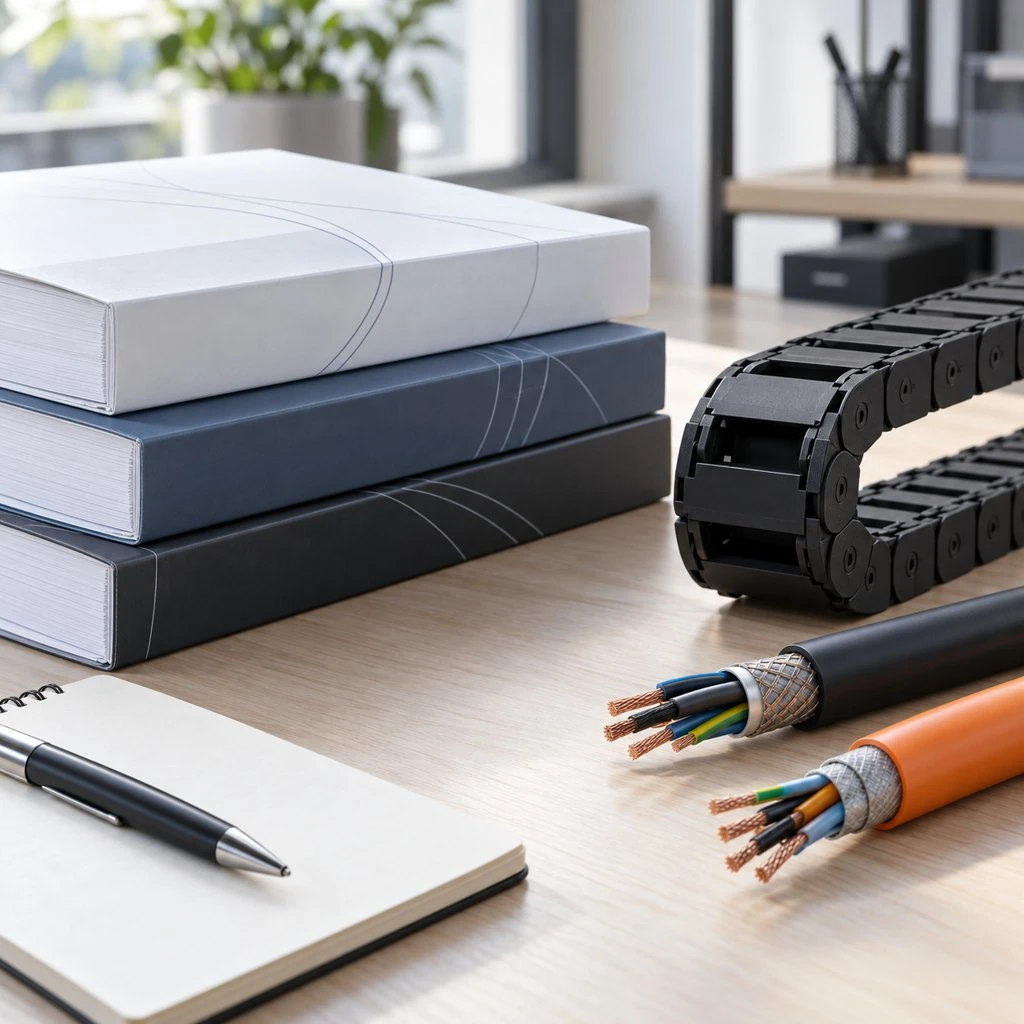
RVV vs RVVP Flexible Cables: Shielding, Uses and Buying Tips
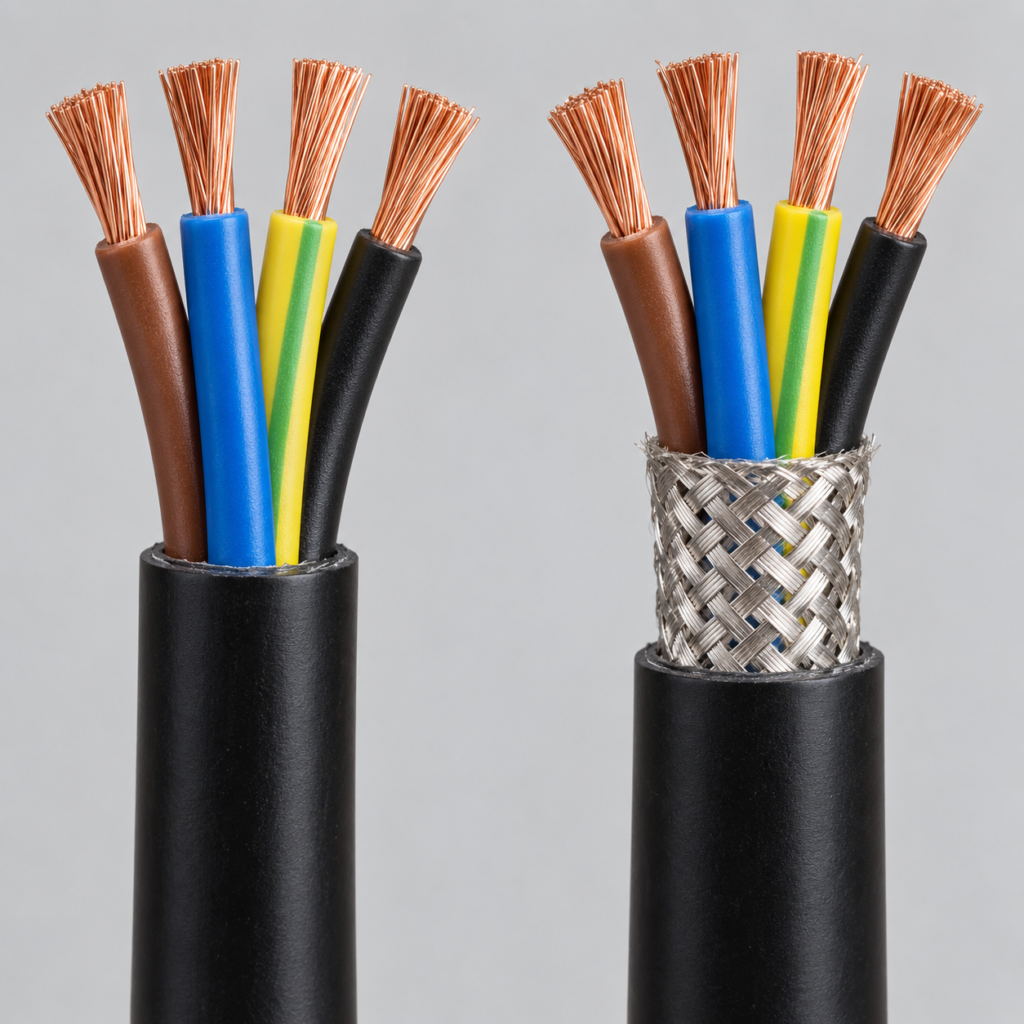
RVV vs RVVP Flexible Cables: Shielding, Uses and Buying Tips Quick Answer: RVV is flexible PVC multicore for general connections; RVVP adds a braid shield — one letter that decides whether electrical noise rides into your signals. Two cables, identical to the eye, identical in copper, identical in flexibility — separated by a single woven […]
KVV Control Cable: Specs, Applications and Export Guide
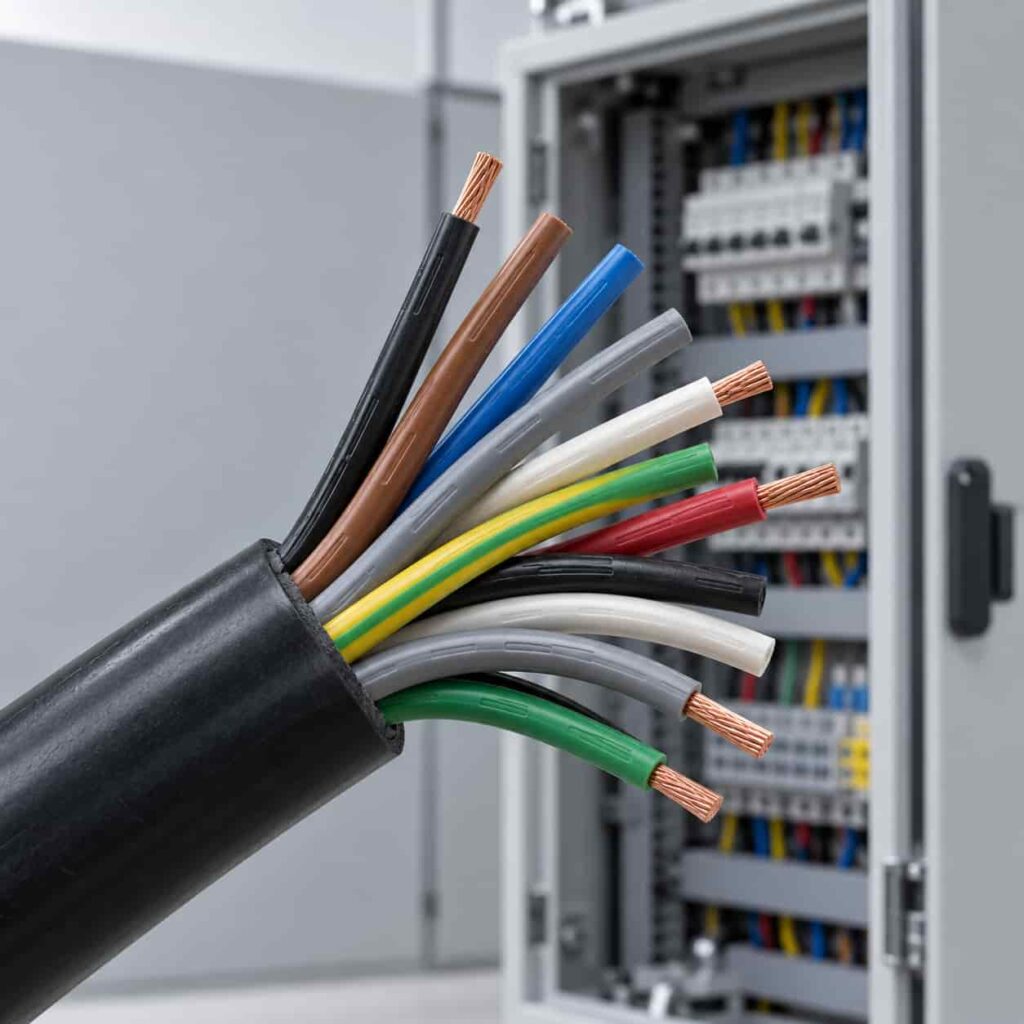
KVV Control Cable: Specs, Applications and Export Guide Quick Answer: KVV is China’s standard multi-core control cable — copper, PVC insulation and sheath, 450/750 V — running start, stop and interlock signals between panels and motors. A power cable moves kilowatts; a control cable moves decisions. Between every motor starter, valve actuator and PLC rack […]