
Solar Cable Specification Guide for EPC Contractors
What actually needs to be checked on a PV cable datasheet before it goes into a solar project — beyond just voltage and size.
Introduction
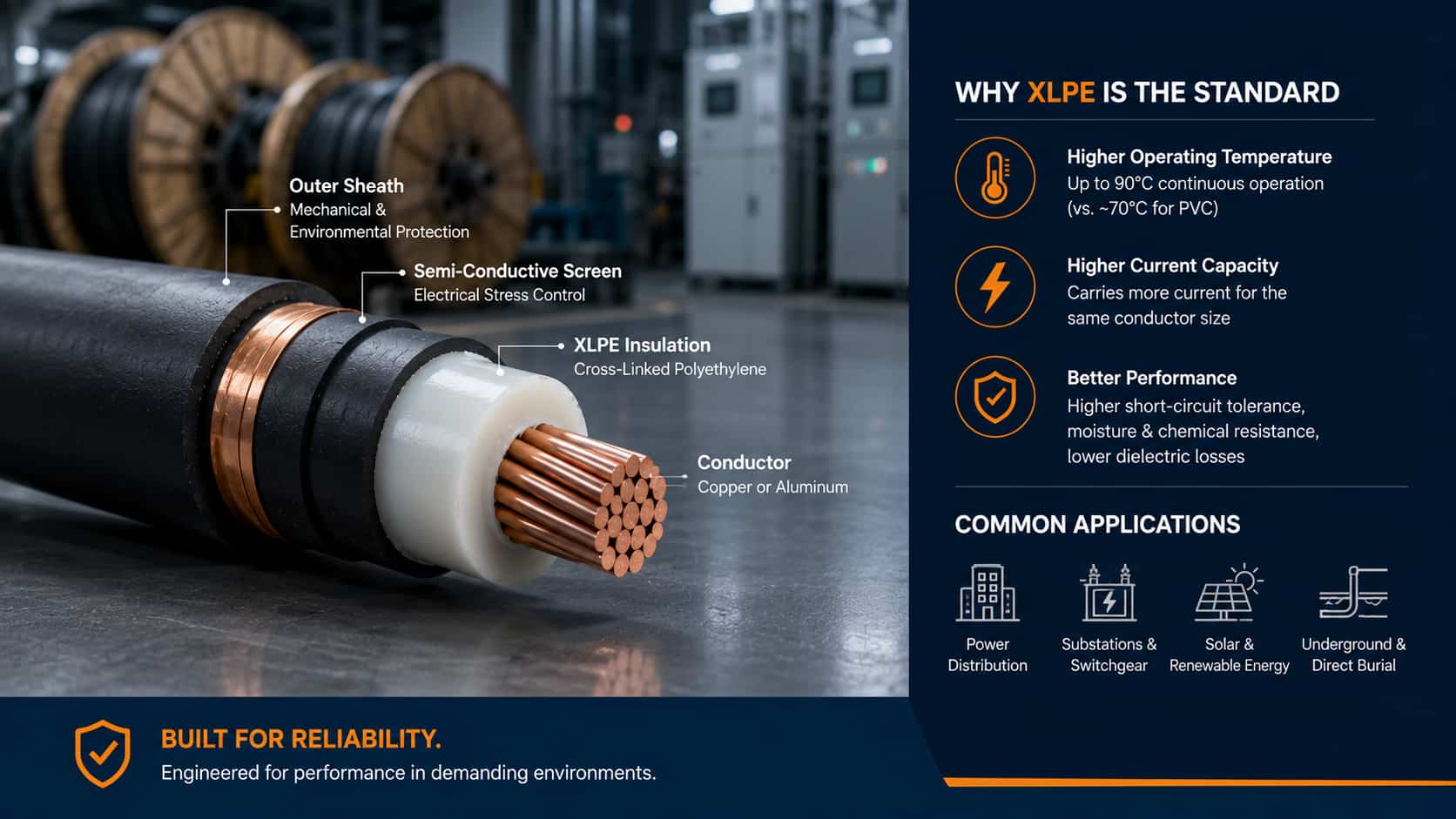
Solar PV cable looks similar to standard power cable at a glance, but it’s built to a different set of requirements — constant outdoor UV exposure, DC rather than AC operation, and direct exposure to weather over a 20-30 year system lifespan. Specifying it wrong doesn’t usually cause an immediate failure; it shows up years later as degraded insulation or connector failure, which is exactly why it’s worth getting right at the specification stage.
What makes solar cable different from standard power cable
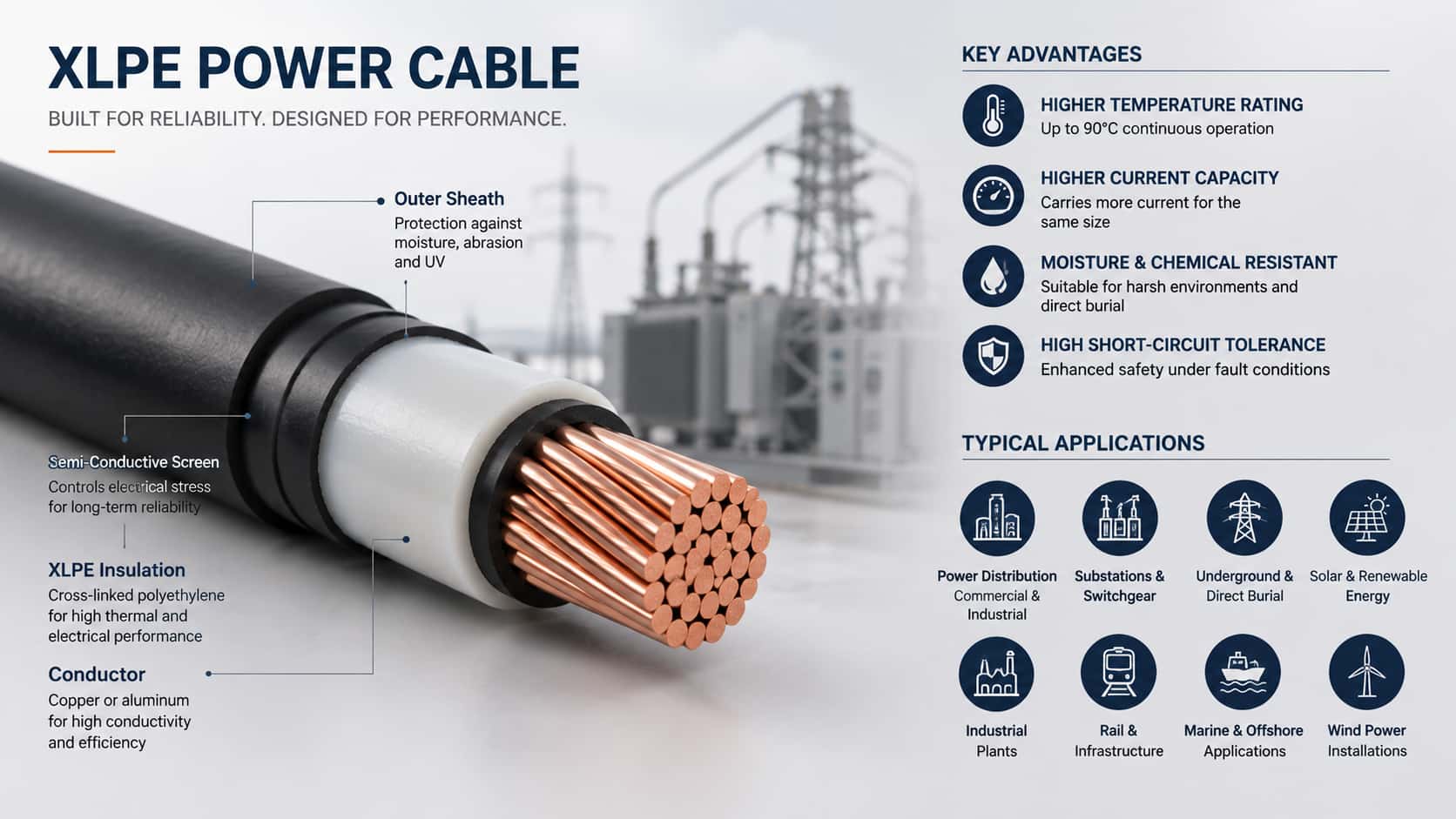
Solar cable operates in DC rather than AC, is almost always installed outdoors with direct, prolonged sun exposure, and typically runs from the panel array to the inverter or combiner box in relatively short, single-core runs rather than the longer multi-core distribution runs typical of standard power cable. These differences drive a distinct set of specification requirements.
Voltage rating — 1.5kV DC is increasingly the standard
Most modern utility-scale and larger C&I solar projects now specify 1.5kV DC-rated cable, up from the 1.0kV DC that was common in earlier system designs. Higher DC voltage allows longer string configurations with fewer combiner boxes, which reduces both material cost and points of failure — but only if every cable, connector, and piece of equipment in the string is rated for that voltage. Mixing 1.0kV and 1.5kV rated components in the same string is a specification error worth explicitly checking for.
UV and weather resistance requirements
Because solar cable is installed outdoors and exposed to direct sunlight for its entire service life, the insulation and sheath materials need specific UV resistance ratings — not just general weather resistance. Look for cable rated for continuous outdoor use with a stated UV resistance standard, and confirm the temperature rating covers both the ambient conditions at your site and the additional heat solar panels themselves radiate onto cable routed close to or beneath them.
Single-core construction and conductor sizing
Solar cable is almost always single-core rather than multi-core, since string wiring runs positive and negative conductors separately rather than bundled together. Sizing still follows the same fundamental principles as any power cable — current rating, voltage drop over run length, and installation conditions — covered in more detail in our cable sizing guide. The main solar-specific addition is accounting for the higher ambient temperatures cable routed near or under panels can experience.
Connector compatibility
Solar cable is typically terminated with a connector — MC4-style connectors being the most widely used industry standard — rather than bare termination. Confirm connector compatibility across your inverter, combiner box, and cable manufacturer, since mismatched connector types from different suppliers is a common and entirely avoidable field issue on multi-vendor projects.
Certifications to check
Look for cable tested and certified to recognized solar cable standards such as EN 50618 or UL 4703, along with UV resistance and flame-retardant ratings stated explicitly on the datasheet rather than implied by general marketing language. For utility-scale projects, TUV certification is frequently a requirement flagged in project specifications specifically.
Where Kexingyu Power fits in
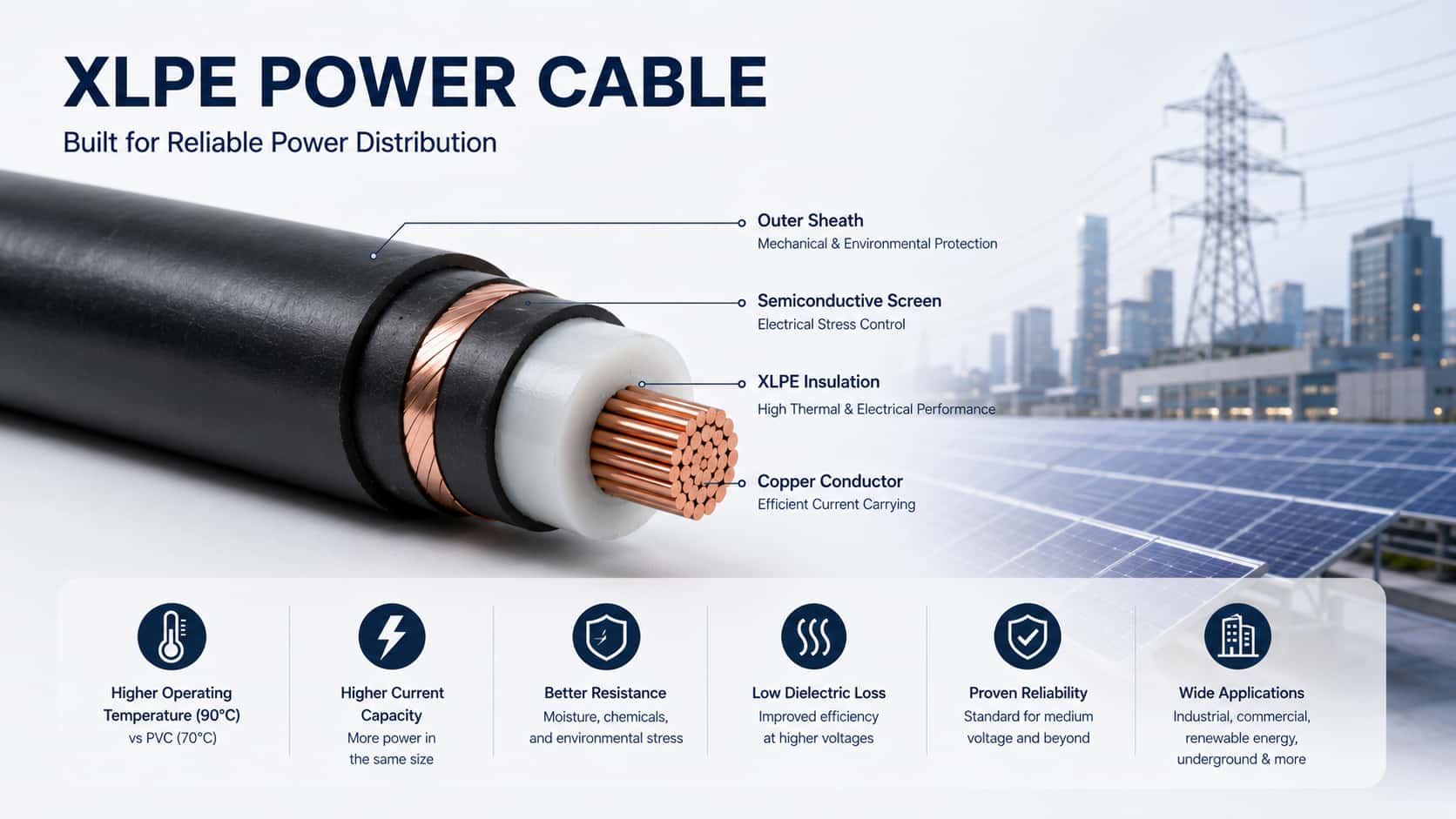
We manufacture 1.5kV DC-rated solar cable alongside the inverters, storage systems, and switchgear used in complete solar-plus-storage projects — see our Solar & Storage Power solution page for the full equipment package, or browse cable specifications directly on our Cables & Wiring Systems page.
Cable Sizing Basics
Common questions from engineers and project buyers selecting the correct power cable size for industrial installations.
01 Is it safe to round up to the next standard cable size?
Rounding up to the next standard conductor size can provide additional current-carrying capacity, but it does not automatically confirm that the cable is suitable for the installation. Voltage drop, ambient temperature, grouping, installation method and short-circuit requirements must still be checked separately before the final cable size is approved.
02 Do I need to derate cable capacity in hot climates?
Yes. Published cable current ratings are normally based on a reference ambient temperature, commonly around 30°C. When the actual installation temperature is higher, the applicable temperature correction factor must be applied. Cable grouping, buried installation and restricted ventilation may require additional derating factors.
03 Does cable length matter when the connected load is small?
Yes. Voltage drop depends on both the circuit current and the total cable run length. A relatively small load supplied over a long distance may still require a larger conductor than the current rating alone suggests. The calculated voltage drop should remain within the limits required by the applicable standard and connected equipment.
04 Can a cable supplier confirm the required size before production?
A supplier with technical engineering support can review the load current, system voltage, cable length, installation method, ambient temperature, cable grouping and insulation type before production. However, the final selection should also comply with the project design, protection settings and governing IEC, BS, GB or local electrical standard.
Recent Posts
Voltage Stabilizers vs UPS: Do You Need Both?
Voltage Stabilizers vs UPS: Do You Need Both? One device fixes how high or low the voltage is; the other fixes whether there is voltage
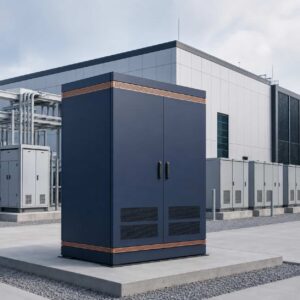
Energy Storage for Data Centers: A Growing Backup Power Option
Energy Storage for Data Centers: A Growing Backup Power Option Batteries have always backed up data centers in the form of UPS strings. Grid-scale BESS
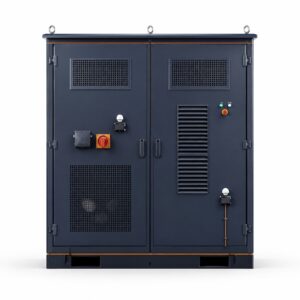
Thermal Runaway in Lithium Batteries: What BESS Buyers Should Understand
Thermal Runaway in Lithium Batteries: What BESS Buyers Should Understand How thermal runaway starts, how it propagates, and which evidence buyers should require before approving