Selling Cable Into US Automation: UL Recognition and the Reality of Robot Imports
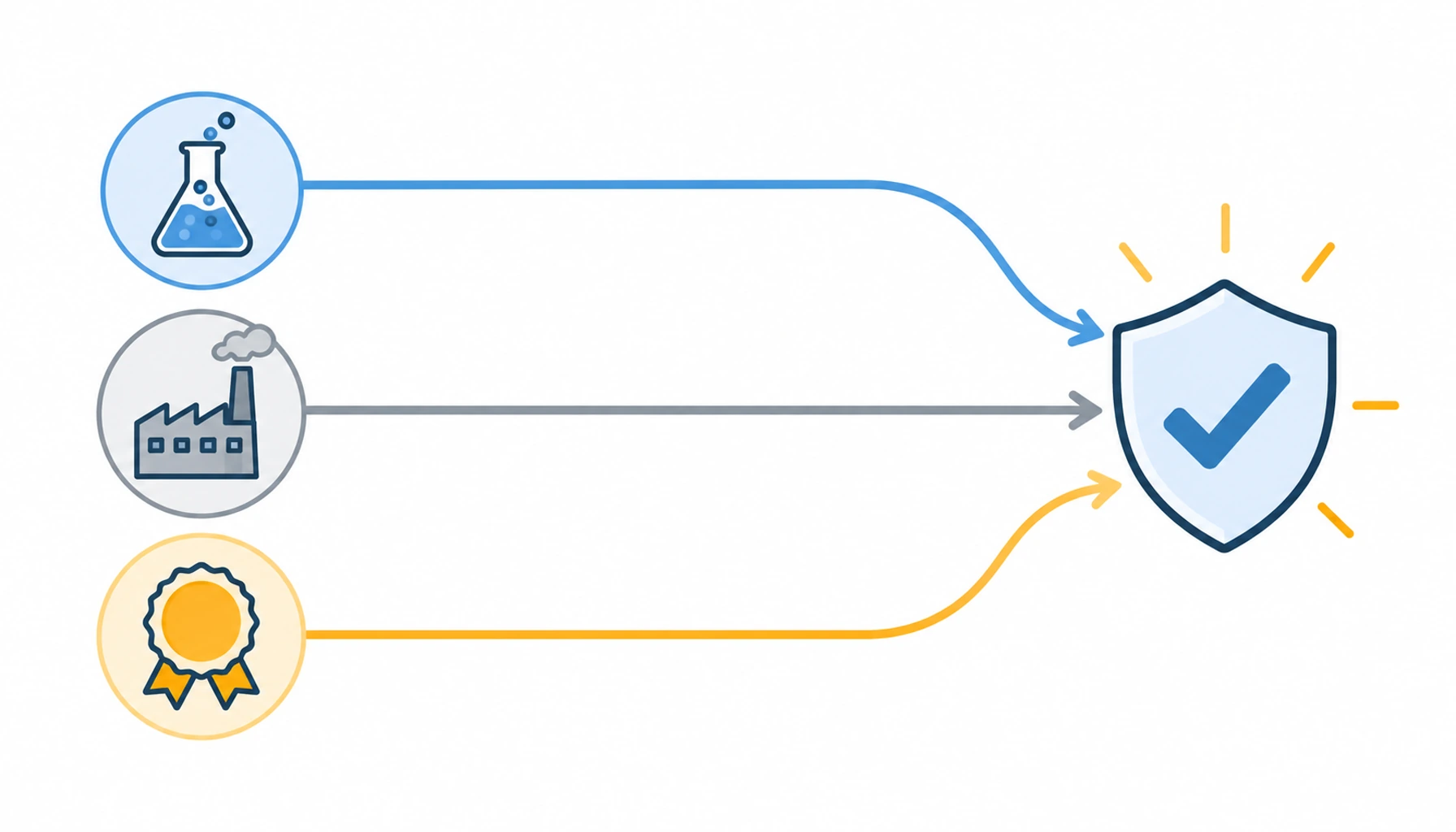
Quick Answer: In the United States the inspector reads the jacket, not your file. Listed cable types are always acceptable; recognised component cable is acceptable on industrial machinery only where a defined exception applies.
American machine building treats cable differently from anywhere else, and the difference is procedural rather than technical. Europe asks whether the electrical design is sound and lets the builder assemble the argument. The United States asks what is printed on the cable and who certified it, because the person who decides is an electrical inspector standing at the machine, not a desk reviewer reading a technical file. That single difference explains most of the surprises that hit European and Chinese machine builders when their equipment arrives in a US plant.
Introduction
Two documents set the frame. The electrical code governs installation, which is why cable type matters at all. The industrial machinery standard governs wiring practice inside the machine, which is why some cable types are welcomed and others are tolerated with conditions. Neither document is about robot cable in particular, and neither knows what a drag chain is.
What this means for a supplier is that American acceptance is a marking question first and a performance question second. That ordering frustrates engineers, because it means an excellent cable with the wrong print can be refused while an ordinary cable with the right print sails through. But it is the system, it is predictable, and it can be planned for months before the machine ships. The wider map of how each market handles this is set out in the guide to Chinese electrical equipment certification and the reasons projects lose time are collected in the guide to international sourcing pitfalls.
Two Approval Routes, and Why the Difference Matters
Recognition and listing are different permissions. A recognised component is a part evaluated against a component standard, deemed suitable for use inside equipment that is itself evaluated as a whole. Think of it as permission to be a part of something. A listed product is evaluated as a finished product for a defined use identified on its label, which in cable terms means a type suitable for installation in a particular way.
The practical difference is who carries the argument. With a recognised component, the equipment builder demonstrates that the part is appropriate for the assembly. With a listed type, the cable’s own evaluation already establishes the intended use, which removes a layer of argument from the machine’s assessment and makes the inspector’s job simpler. That is why American practice leans on listed types wherever a listed type exists for the job, and why a jacket carrying both marks is judged by its listing.
| Route | What it is | What it permits | Where flexible cable fits |
|---|---|---|---|
| Listed cable type | Finished cable evaluated as a product for a defined installation use | Installation on its own, as the type's evaluation provides for | The preferred route for machine tool wire and tray-rated constructions |
| Recognised component | Component evaluated against a component standard, identified by a style number | Use inside equipment that is evaluated as a whole | The usual route for drive, encoder and bus cable built to a maker's specification |
| Dual-marked cable | One jacket carrying both a recognition and a listing | Whatever the listing provides, and the recognition in appropriate assemblies | The most forgiving choice, because the listing removes the argument |
| Field evaluation | Assessment of an unlisted assembly at the point of installation | Energisation of that specific machine, under a label | A route for imported machines that were never built to a US-listed bill of materials |
The Listed Types You Will Meet
Once you know the names, an American bill of materials becomes readable. Machine tool wire is the workhorse: a 600 V construction with a flame rating and a temperature rating that drops when the environment turns oily or wet, which is an important detail in a machining cell. Tray cable and its variants cover runs that leave the enclosure. Power-limited tray cable and communications cable ratings cover control and signal runs. Each of these is a listed type with a defined use, and each is identified by print on the jacket rather than by a certificate in a folder.
Recognised component cable walks a different path. Appliance wiring material is regulated by its own standard, and a construction evaluated under it receives a style number that appears on the jacket. That style number is the whole identity of the product in the American system, and it is what a machine builder writes into a bill of materials when they specify a drive manufacturer’s recommended cable. There are also styles created specifically for multi-conductor robot cable and for overmoulded assemblies, which exist because the general-purpose styles were never designed with continuous flex in mind.
The Industrial Machinery Standard and the Flexible Cable Exception
The machinery standard’s cable provisions sit in the chapters covering conductors and wiring practice, and the interesting history is recent. An earlier edition barred recognised component material from industrial machinery, which caused real hardship for builders using servo and drive cable that only existed as recognised component. The current edition restored permission through a special-cables clause that allows appliance wiring material where one of a small number of conditions is met.
Three conditions matter. The material qualifies if it forms part of a listed assembly identified for the intended use. It qualifies if it is identified for use with approved equipment and installed in accordance with the equipment maker’s instructions, which is the clause that legitimises a servo system specified cable-by-cable by the drive manufacturer. And it qualifies if its construction meets the applicable sections of the standard with the modifications the clause describes, which sets expectations on voltage rating, insulation thickness, oil resistance and marking. Meeting one condition is sufficient; they do not have to be met together.
The clause exists to permit the material that belongs on machines and to control the material that does not. It is not a blanket permission for any flexible cable, and an inspector who does not see a listed type is entitled to ask which condition applies. For a builder, that means the condition has to be documentable at the point of installation, which is a design-stage decision, not a shipping-dock one. The same discipline that applies to reading a cable datasheet critically, covered in the guide to technical documentation, applies with more force here because the reader may be an inspector with authority to refuse energisation.
Field Evaluation and the Cost in Schedule
Machines not built to a listed bill of materials have one remaining route: a field evaluation by a nationally recognised testing laboratory, performed where the machine will run. It is a legitimate and common path for imported equipment, and it is a project milestone rather than a formality. Documentation is reviewed first, then the machine is examined at site, then a label is issued, and only after that does the utility connection proceed.
The cost is time, and the time sits on the critical path. Documentation gaps become site work. A conductor type that is not accepted becomes a replacement job in a customer’s plant, at customer-plant labour rates. Builders who have been through it once plan the cable bill of materials around American acceptance and treat field evaluation as insurance rather than the plan.
| Situation | What the inspector or buyer wants | Practical move |
|---|---|---|
| Drive cable specified by the drive maker | Evidence that a permitted condition applies | Keep the maker's specification and installation instructions with the machine file |
| Servo or robotic axis cable with no listed equivalent | A defensible basis for acceptance | Use dual-marked constructions where available, or a listed assembly |
| Cable for a moving axis that only exists as a recognised component | Assurance the construction suits continuous flex | Supply the flex test evidence, since the recognition says nothing about fatigue |
| Imported machine with mixed-marking wiring | Acceptance before energisation | Plan field evaluation early and replace non-accepted conductor types before shipment |
| Control circuit cable inside a cabinet | A listed type, or a permitted exception | Specify machine tool wire, and keep the exception route for axis cable only |
When American Approval Is Not the Answer
Three limits are worth stating. First, recognition and listing say nothing about flex life. A style number tells you the material is suitable for an equipment assembly; it does not tell you how many cycles it survives at your radius. That evidence comes from flex testing, and it has to be requested separately. Second, a listed type is not automatically the right cable. Machine tool wire is a fine construction for cabinet wiring and a poor choice for a continuously flexing axis, and no amount of listing changes that.
Third, marking is necessary but not sufficient for the whole system. Bonding, overcurrent protection, segregation and enclosure practice are all part of the installation, and a machine can have impeccable cable and still fail an inspection on those grounds. The distribution and enclosure aspects belong to a different conversation, and the questions worth asking before ordering are gathered in the guide to industrial power distribution and the cabinet-side guidance in the guide to custom control cabinets.
RFQ Checklist: Cable for a US-Bound Machine
Send these with the inquiry so the marking question is settled before the bill of materials closes:
- The circuits that will need a listed type, and those that will run on a permitted exception
- Whether dual-marked constructions are available in the sizes and core counts required
- Jacket print content, including the type or style designation and the ratings to be shown
- Flex test evidence for every moving-axis construction, with radius, travel, speed and load stated
- Temperature rating under the actual environment, including oil and coolant exposure
- Certification body and the database reference for each mark, so acceptance can be verified
- Lead time for any construction that has to be qualified rather than stocked
Conclusion
The American system rewards preparation and punishes improvisation, and the punishment lands at the worst possible moment, on site, after the container has crossed an ocean. Recognition and listing are different permissions with different burdens; the machinery standard permits flexible recognised material under defined conditions; and field evaluation is a milestone to be planned, not a rescue to be hoped for. None of it is about how good the cable is. All of it decides whether the machine runs.
Kexingyu Cable Group (KXYE) supplies motion, servo and control cable with print content and documentation prepared for North American acceptance, and where a qualified version of a construction is needed we source it through our partner arrangements and identify the certificate holder honestly. Send the circuits, the destination and the marking you need through the RFQ page, and we will tell you which routes are open before you commit the bill of materials.