
BMS vs EMS: What’s the Difference and Why Both Matter
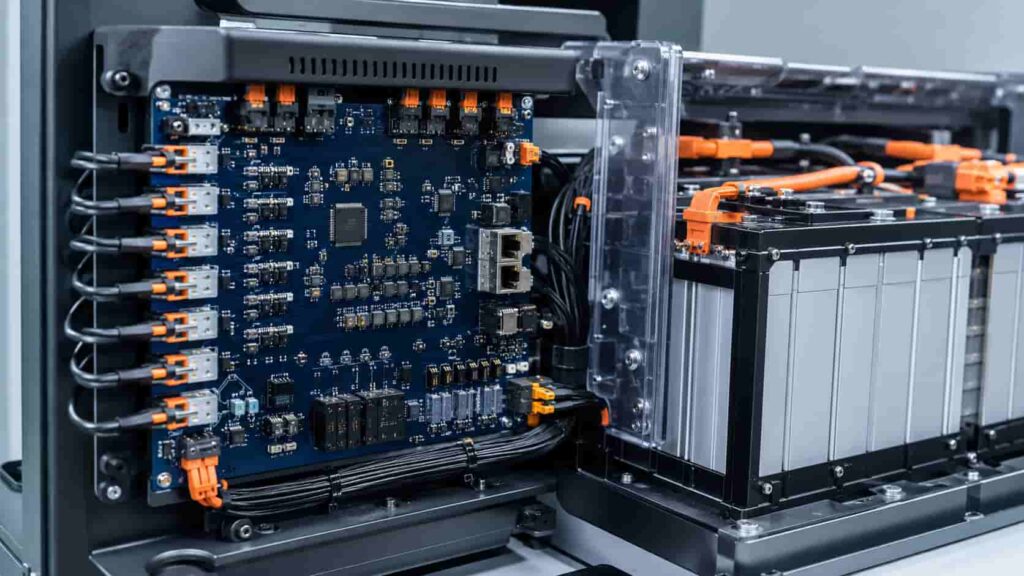
BMS vs EMS: What’s the Difference and Why Both Matter Understand how battery protection, power-conversion control, site optimization, communications, and operating authority are divided inside a commercial BESS. Two Different Control Layers Inside a BESS A battery energy storage system contains several control layers. The Battery Management System, or BMS, supervises the battery and enforces its […]
LiFePO4 vs Other Battery Chemistries for Commercial Storage
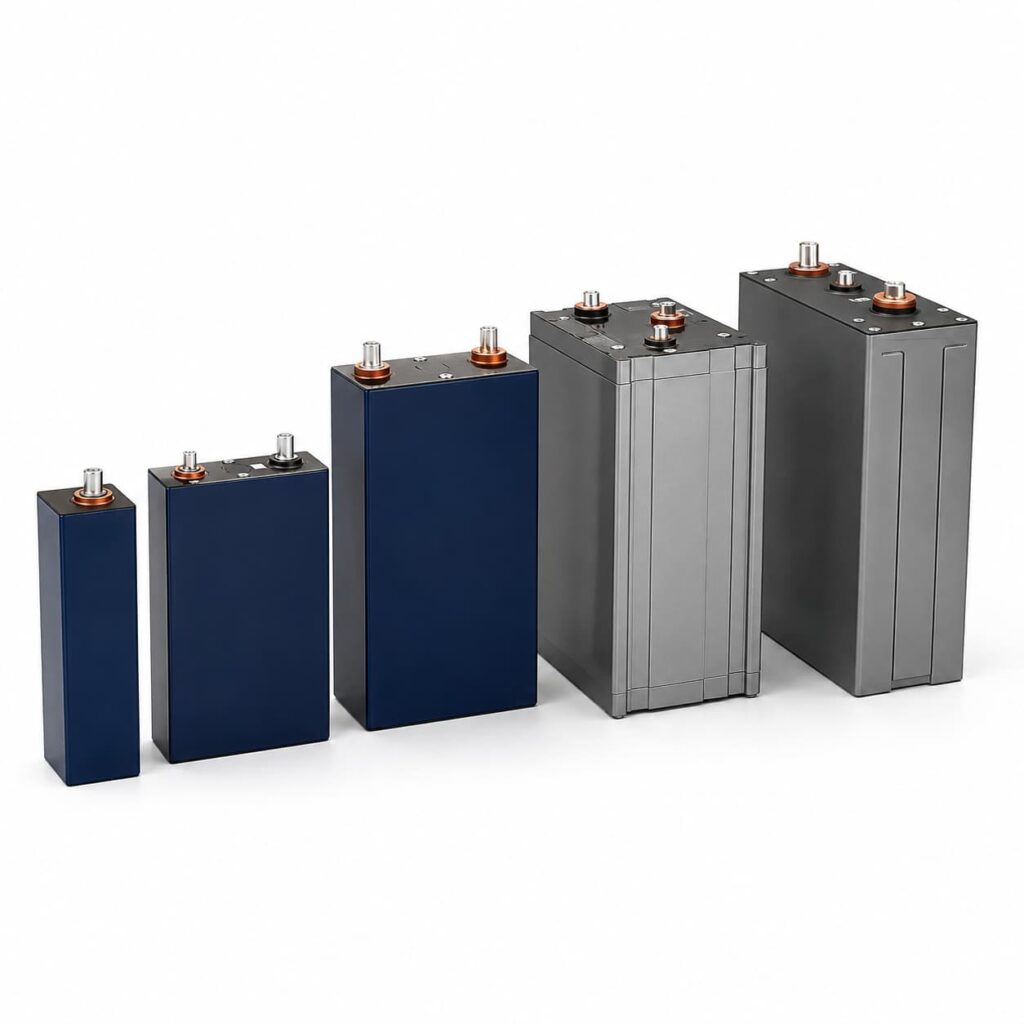
Compare LFP, NMC, sodium-ion, LTO and lead-acid batteries by safety behavior, energy density, cycle duty, temperature performance, maturity and lifecycle value.
Containerized vs Cabinet Energy Storage: Which Fits Your Site?
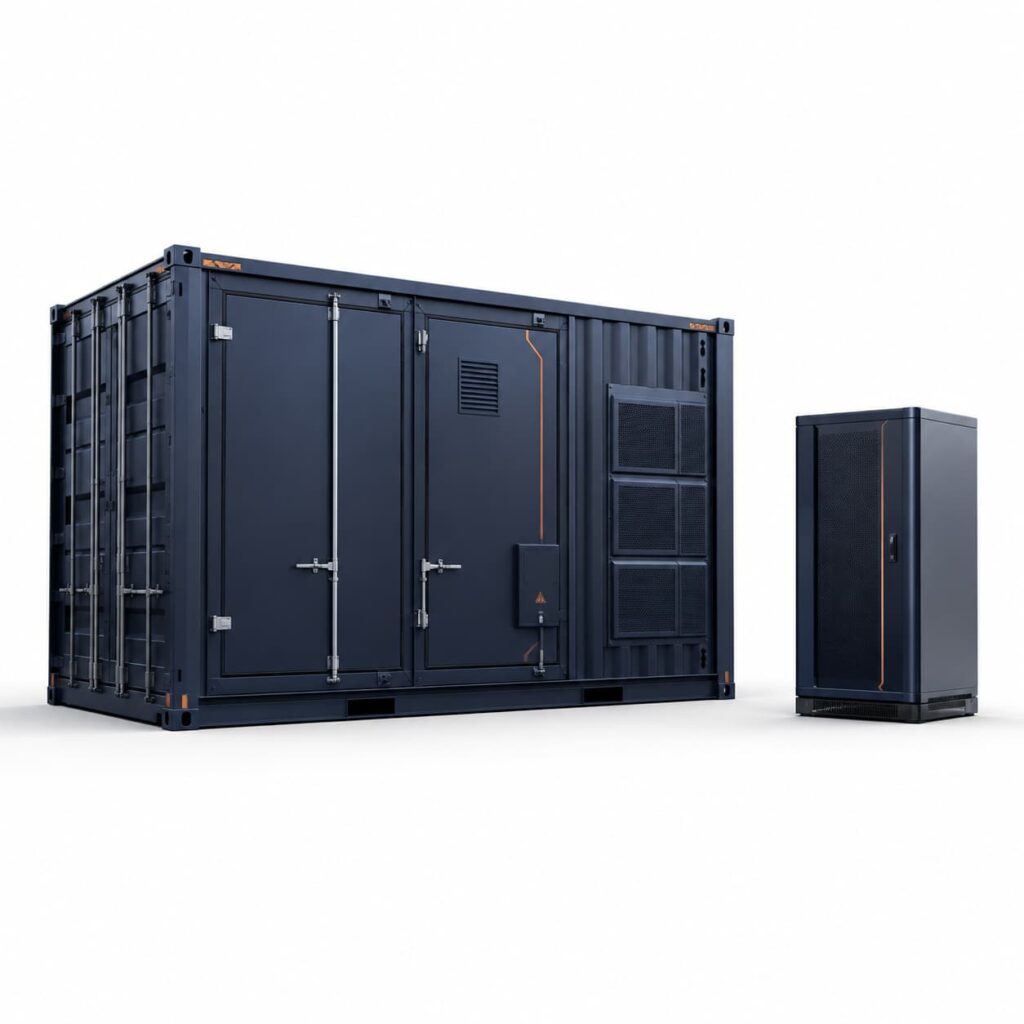
Containerized vs Cabinet Energy Storage: Which Fits Your Site? Compare footprint, installation, cooling, safety, maintenance, expansion, and project scope before choosing a BESS enclosure format. Two Form Factors, One System-Level Decision After defining what a battery energy storage system must do, buyers must decide how the equipment will be packaged. Containerized BESS places battery racks and […]
What Is BESS? A Guide to Battery Energy Storage Systems for C&I Buyers
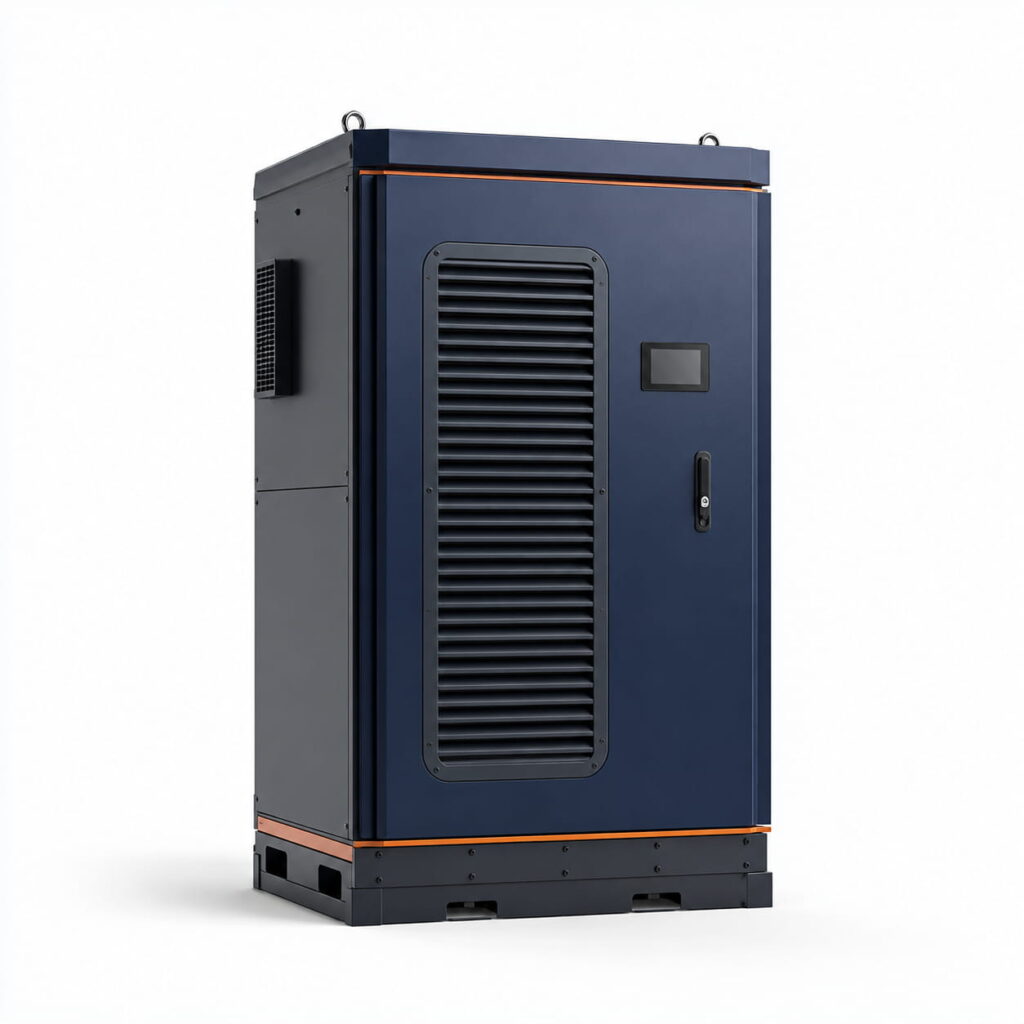
What Is BESS? A Guide to Battery Energy Storage Systems for C&I Buyers Understand how a commercial battery energy storage system works, what each component does, and what buyers must define before requesting a quotation. What Does BESS Mean? BESS stands for Battery Energy Storage System. It is an integrated electrical system that stores energy […]
Rectifiers vs Inverters: Understanding AC-DC Power Conversion
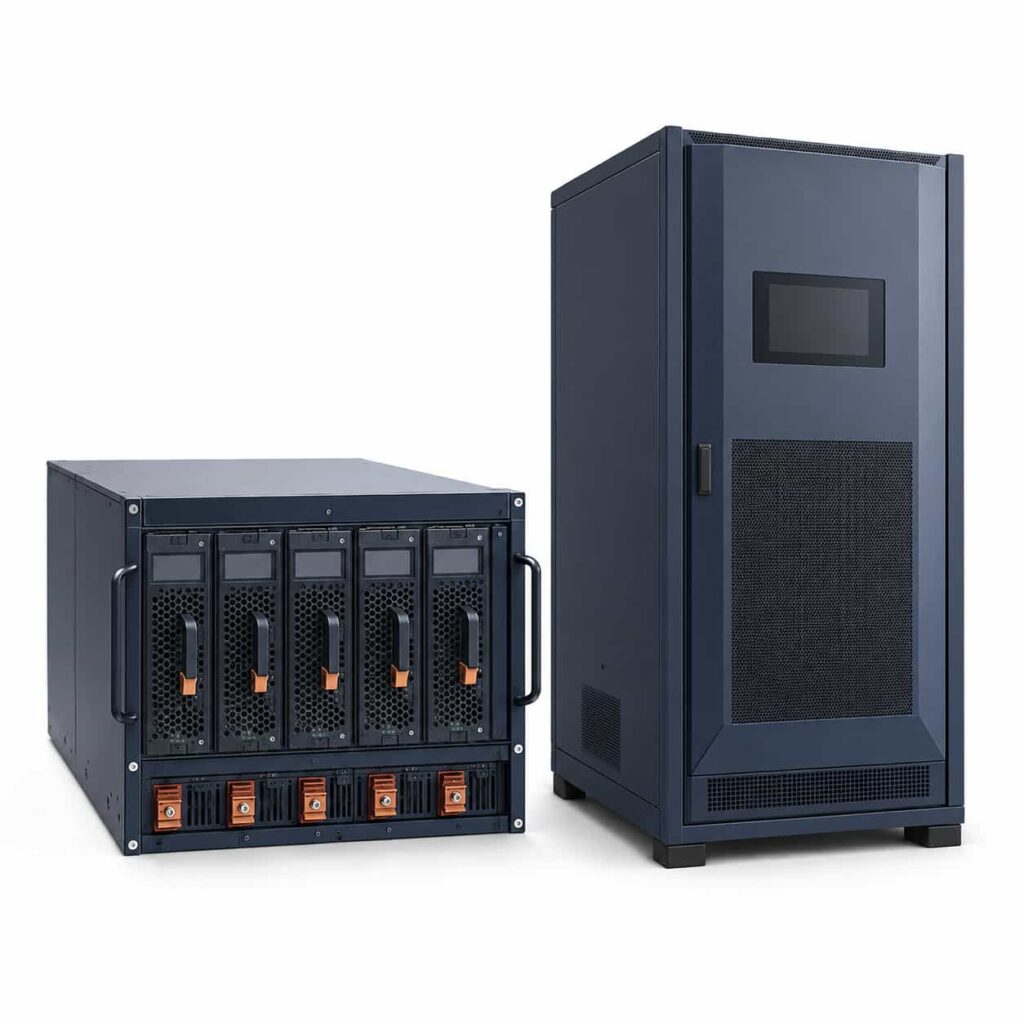
Rectifiers vs Inverters: Understanding AC-DC Power Conversion A practical guide to conversion direction, circuit topology, performance specifications, and how rectifiers and inverters work together in UPS, VFD, telecom, and energy storage systems. The Fundamental Difference A rectifier converts alternating current (AC) into direct current (DC). An inverter converts DC into AC. These definitions describe the […]
Energy Storage PCS Explained: The Bridge Between Battery and Grid
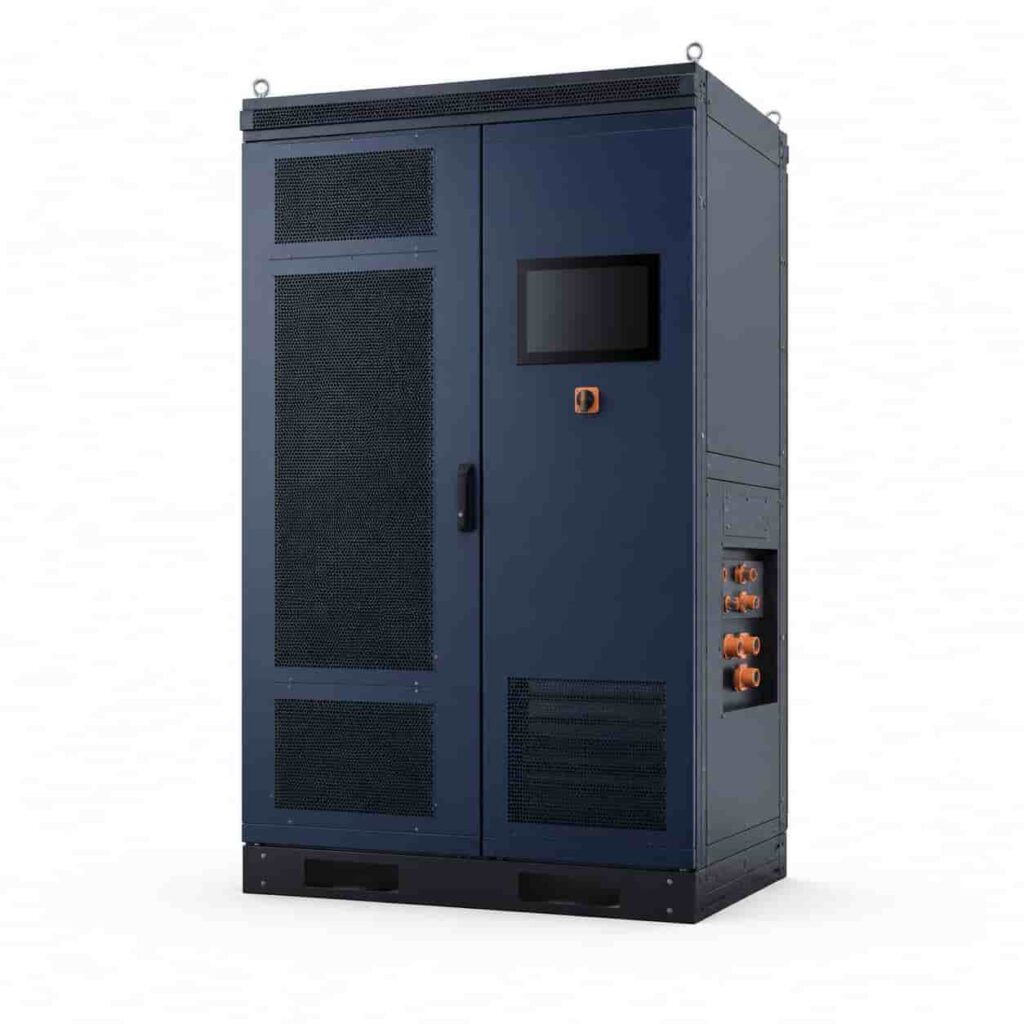
Energy Storage PCS Explained: The Bridge Between Battery and Grid How a power conversion system controls bidirectional energy flow—and which power, voltage, grid, protection, cooling, and communication specifications buyers should verify. What PCS Means in Energy Storage PCS stands for power conversion system. In a battery energy storage system (BESS), it is the power-electronic equipment […]
Off-Grid and Hybrid Inverters for Unstable Grid Regions
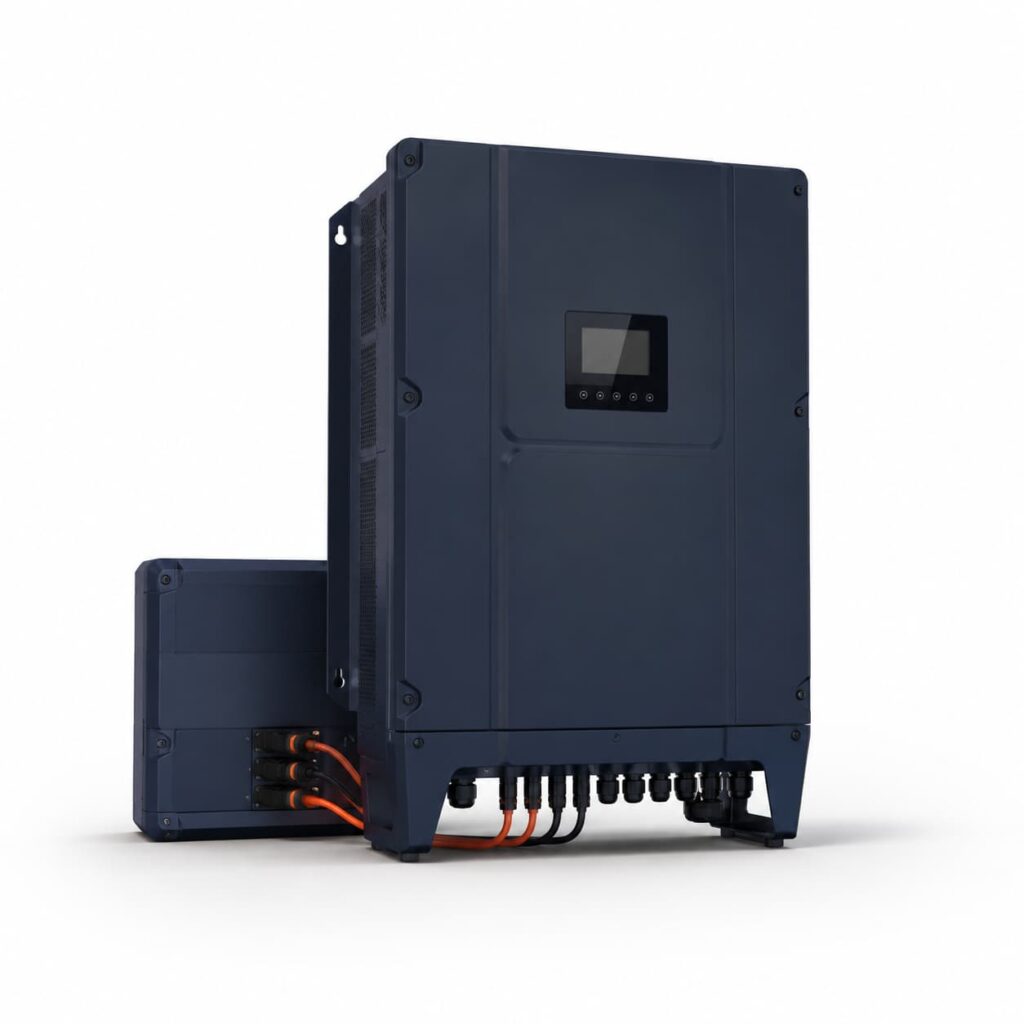
Off-Grid and Hybrid Inverters for Unstable Grid Regions How to evaluate backup architecture, transfer behavior, generator compatibility, battery requirements, and supplier support where utility power is unreliable. Why Grid Instability Changes Inverter Selection In a stable utility network, a solar inverter is often selected mainly for PV compatibility, conversion efficiency, grid-code compliance, and cost. In […]
On-Grid vs Off-Grid vs Hybrid Inverter: Which One Do You Need?
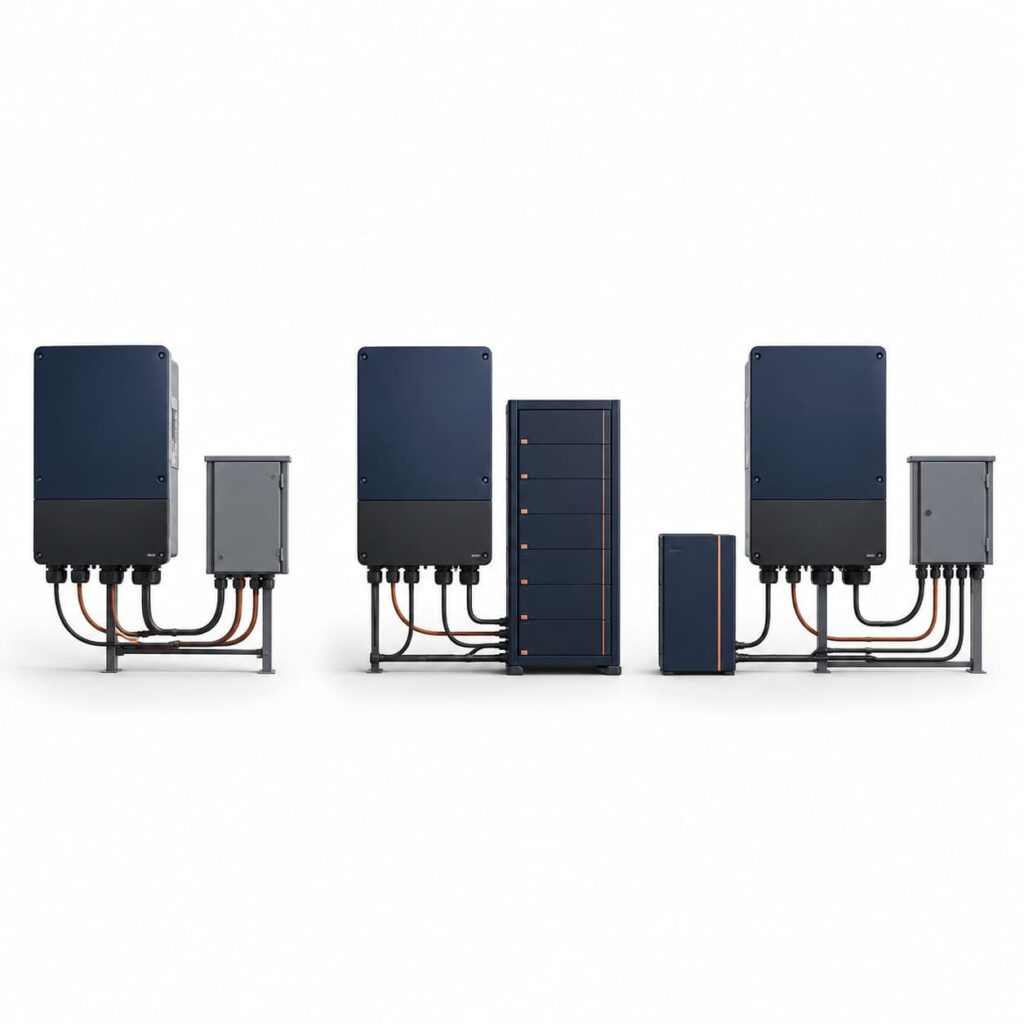
On-Grid vs Off-Grid vs Hybrid Inverter: Which One Do You Need? Three inverter architectures designed for different relationships with the utility grid — and a practical way to select the right one before specifying a solar power project. Why This Choice Comes Before Almost Everything Else Before sizing panels, batteries, or cabling, a solar project […]