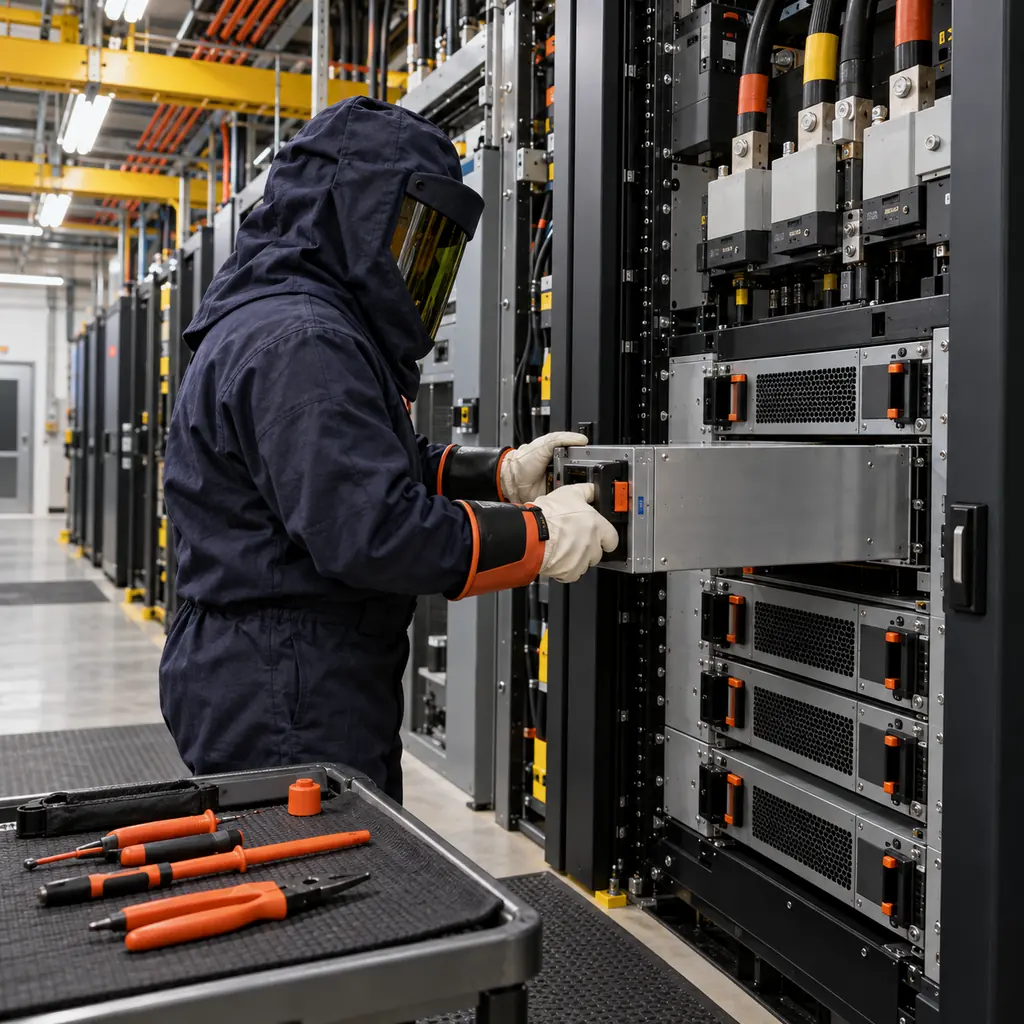
Why Data Center Developers Need One Coordinated Power Equipment Supplier

Why Data Center Developers Need One Coordinated Power Equipment Supplier Interface risk, not unit price, is what delays data center power rooms—and most of it lives in the gaps between suppliers Introduction Data center power rooms are assembled from a short list of major items: transformers, medium-voltage and low-voltage switchgear, automatic and static transfer switches, […]
Choosing a UPS Supplier for a Multi-Site Data Center Rollout
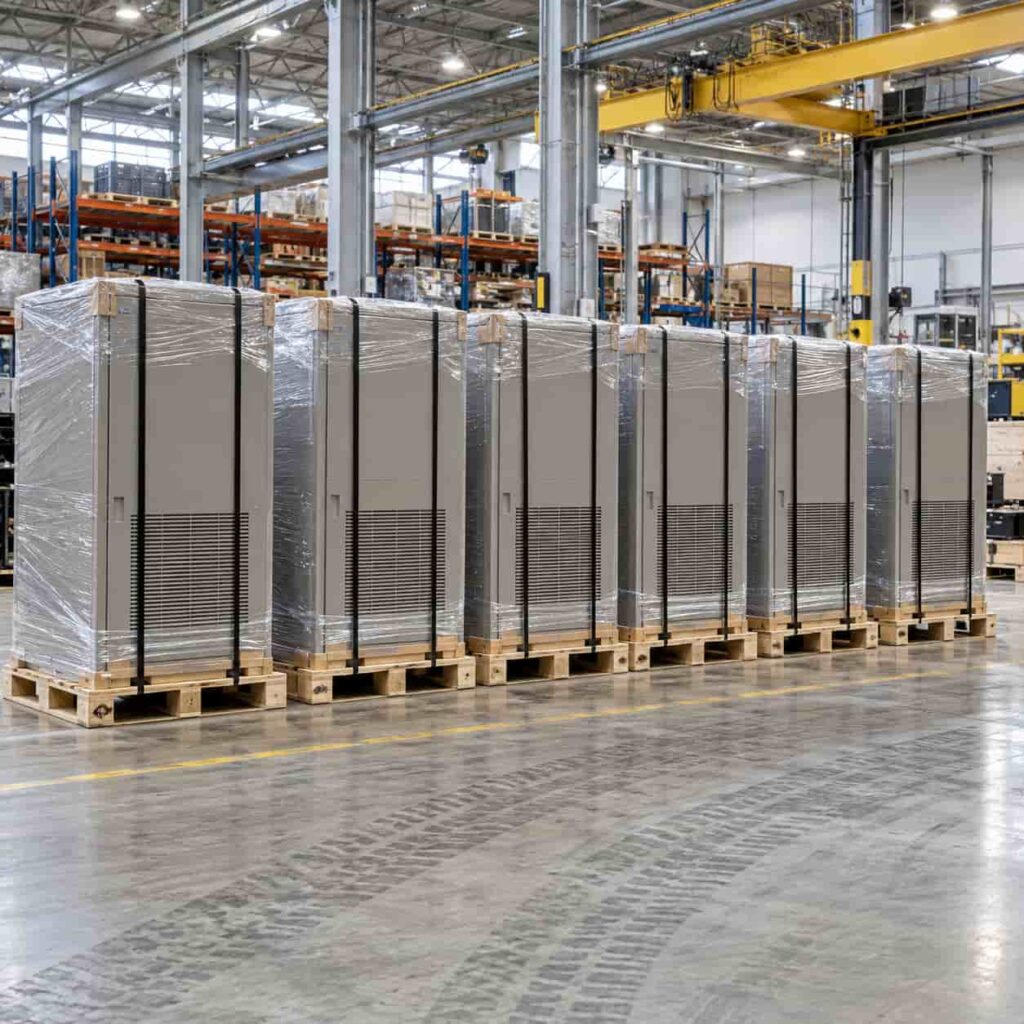
Choosing a UPS Supplier for a Multi-Site Data Center Rollout Buying one UPS is a product decision; buying the same UPS for eight sites is a supply chain decision, and the criteria are not the same Introduction A single-site UPS purchase is straightforward: match the load, compare two or three vendors on price and delivery, […]
UPS Battery Backup Time: How to Calculate What You Actually Need
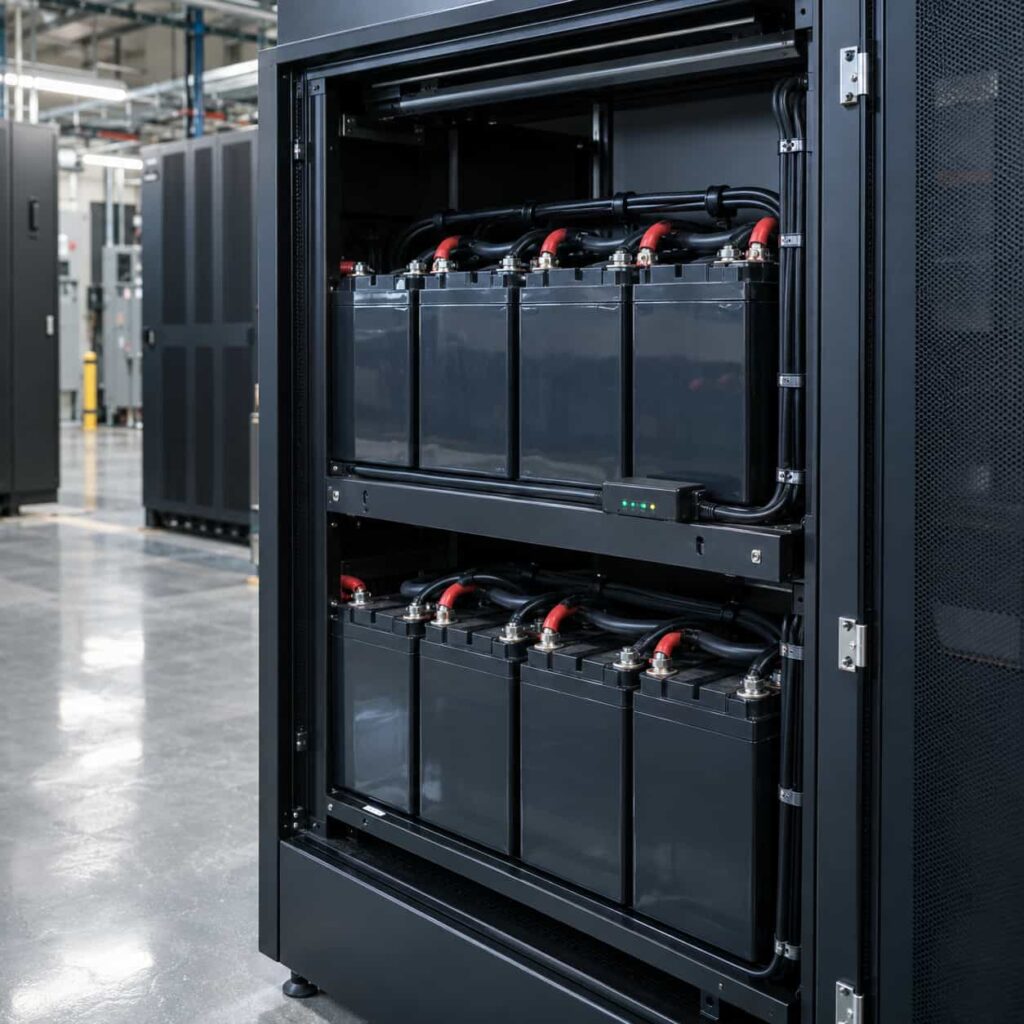
UPS Battery Backup Time: How to Calculate What You Actually Need The datasheet runtime is a curve, not a number—and the only honest way to size autonomy is to start from load, battery data and an end-of-life margin Introduction “How long will the UPS last?” is the first question every buyer asks and the one […]
Backup Power Planning for Hospitals and Critical Facilities
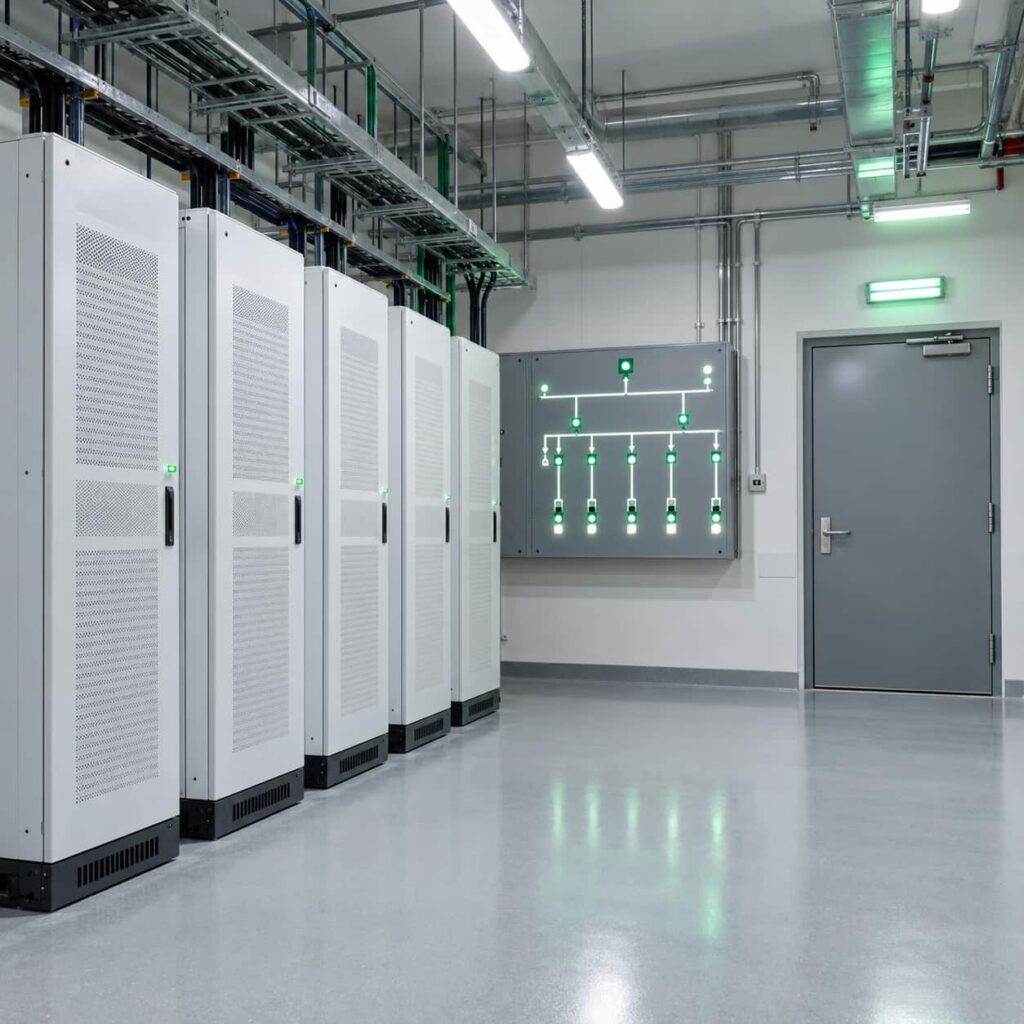
Backup Power Planning for Hospitals and Critical Facilities A hospital is not a building with a generator bolted on; it is a set of loads with radically different tolerances, and every one of them has a different definition of downtime Introduction Hospitals are the hardest backup power clients in the electrical industry. Not because the […]
Common UPS Battery Problems and How to Avoid Them
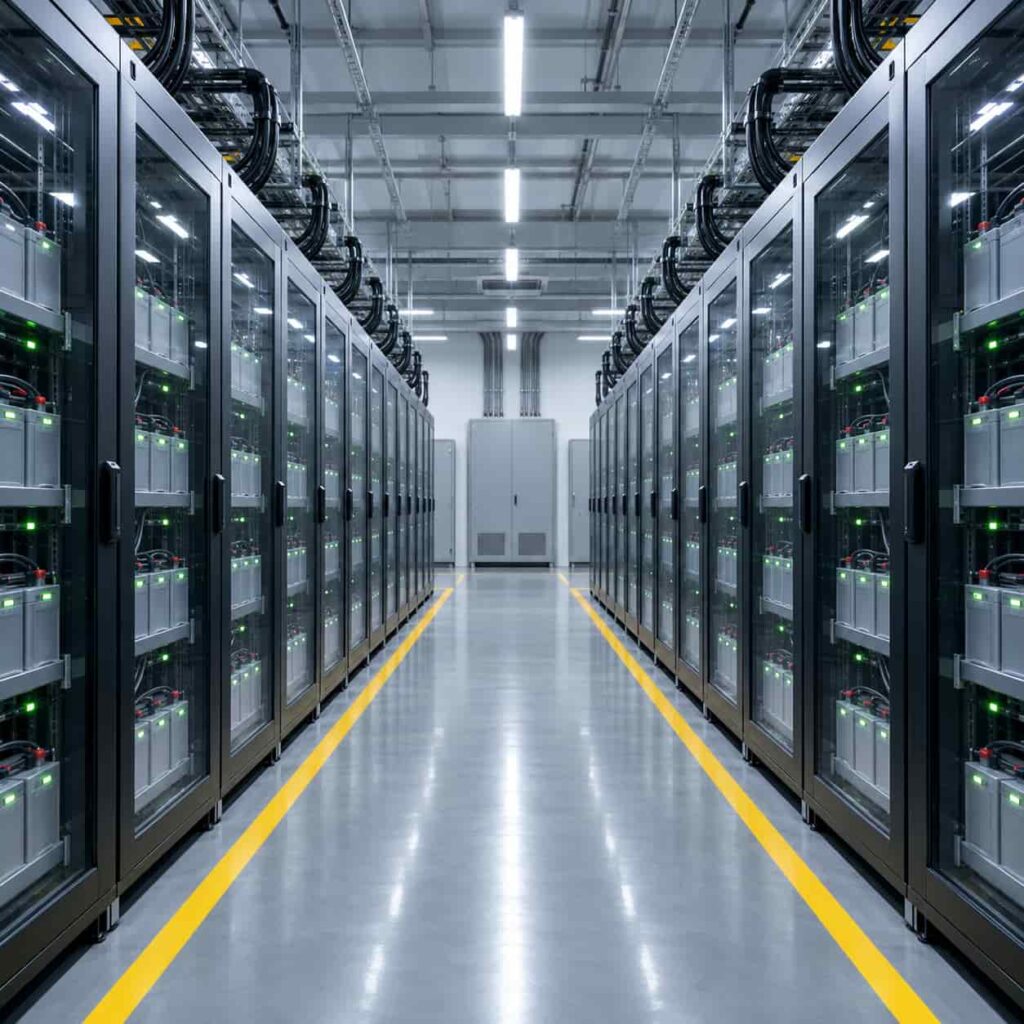
Common UPS Battery Problems and How to Avoid Them The battery is the only part of the UPS that is quietly dying from the day it is installed—most battery failures are predictable, and most are preventable Introduction When a UPS fails to do its one job, the post-mortem usually finds the same culprit: the battery. […]
Generator Synchronization Systems Explained
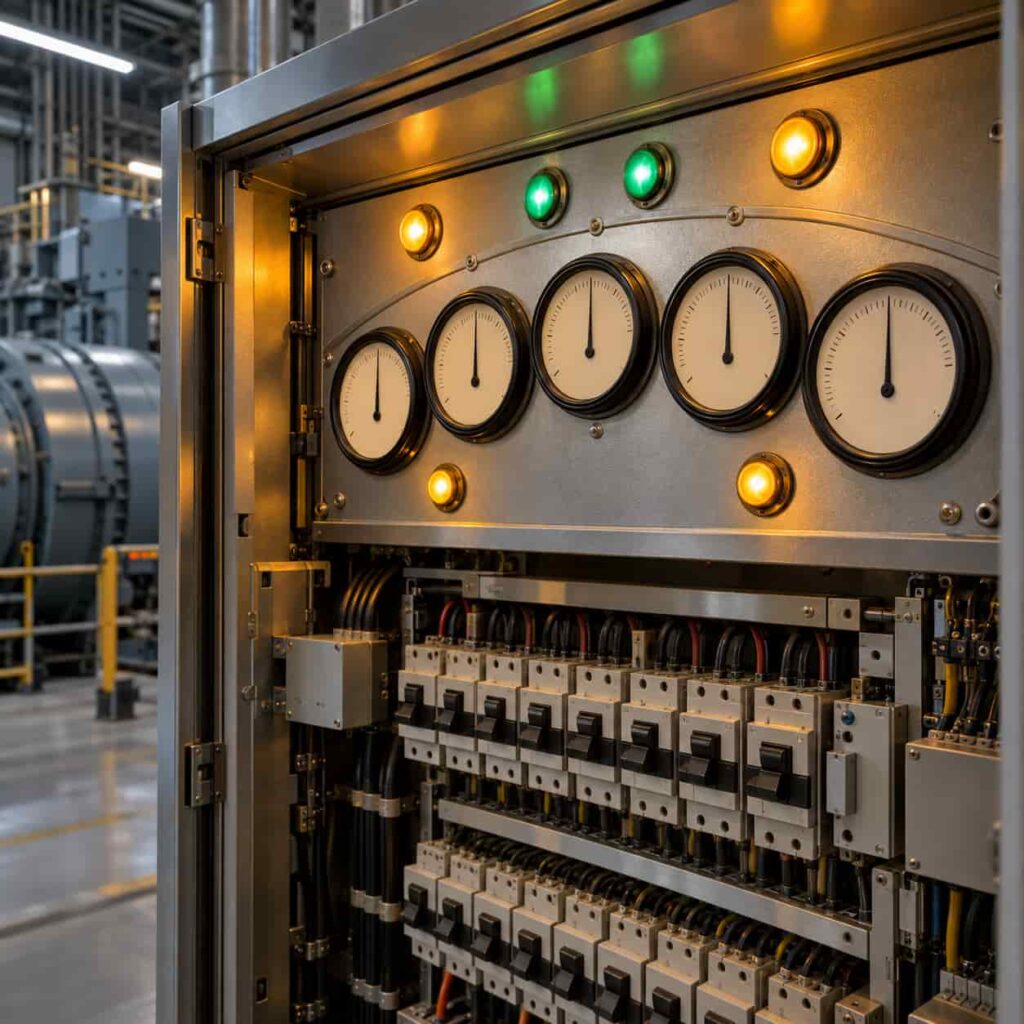
Generator Synchronization Systems Explained Connecting two live AC sources is the most unforgiving switching operation in the power room—done right it is invisible, done wrong it is an event the hardware remembers Introduction A single generator backing up a building is a simple story: start, run, carry the load. The story becomes more capable—and more […]
N+1 vs 2N UPS Redundancy: Which Level Does Your Project Need?
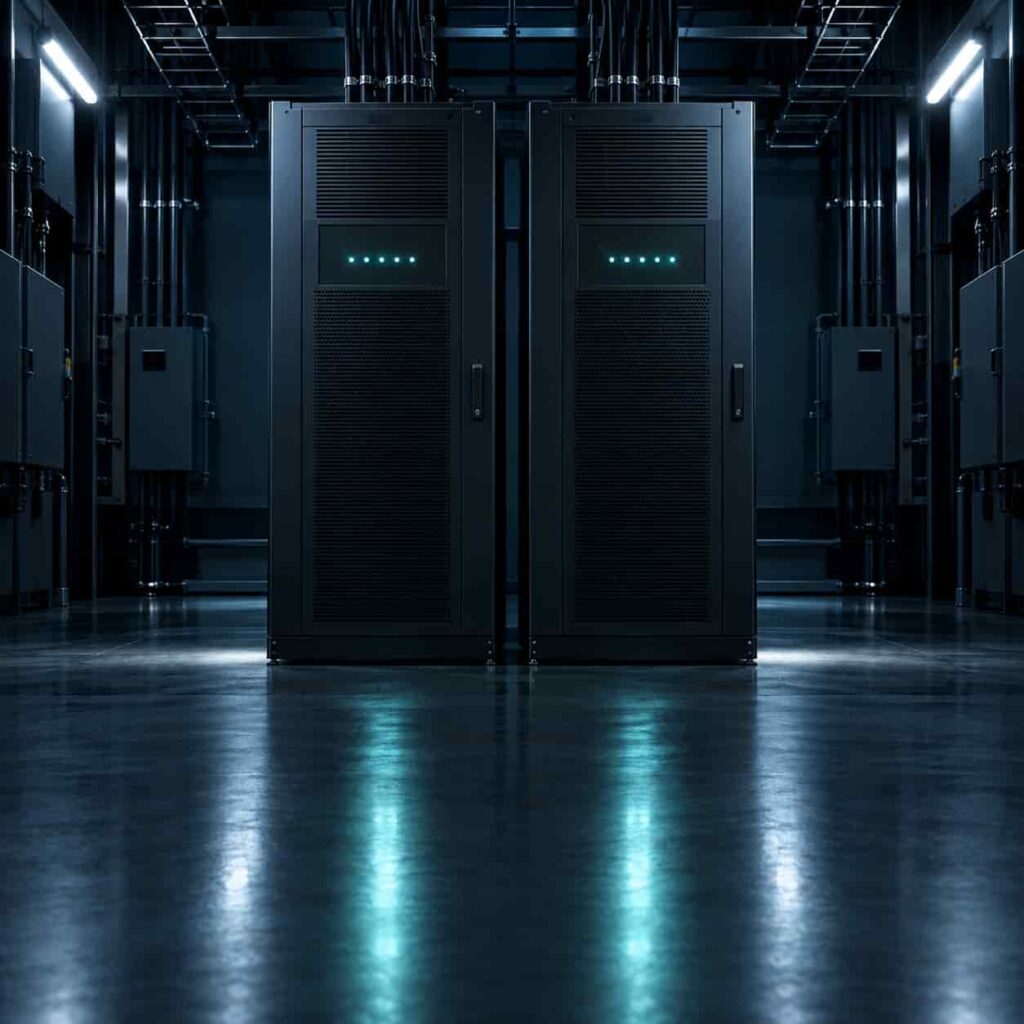
N+1 vs 2N UPS Redundancy: Which Level Does Your Project Need? Redundancy levels are often quoted as marketing labels—the engineering reality is a cost-versus-failure-mode decision that your project can actually compute Introduction Few terms in critical power are used as loosely as redundancy. Sales sheets say “N+1” or “2N” as if the letters were quality […]
Industrial UPS Manufacturer: What to Ask Before You Order
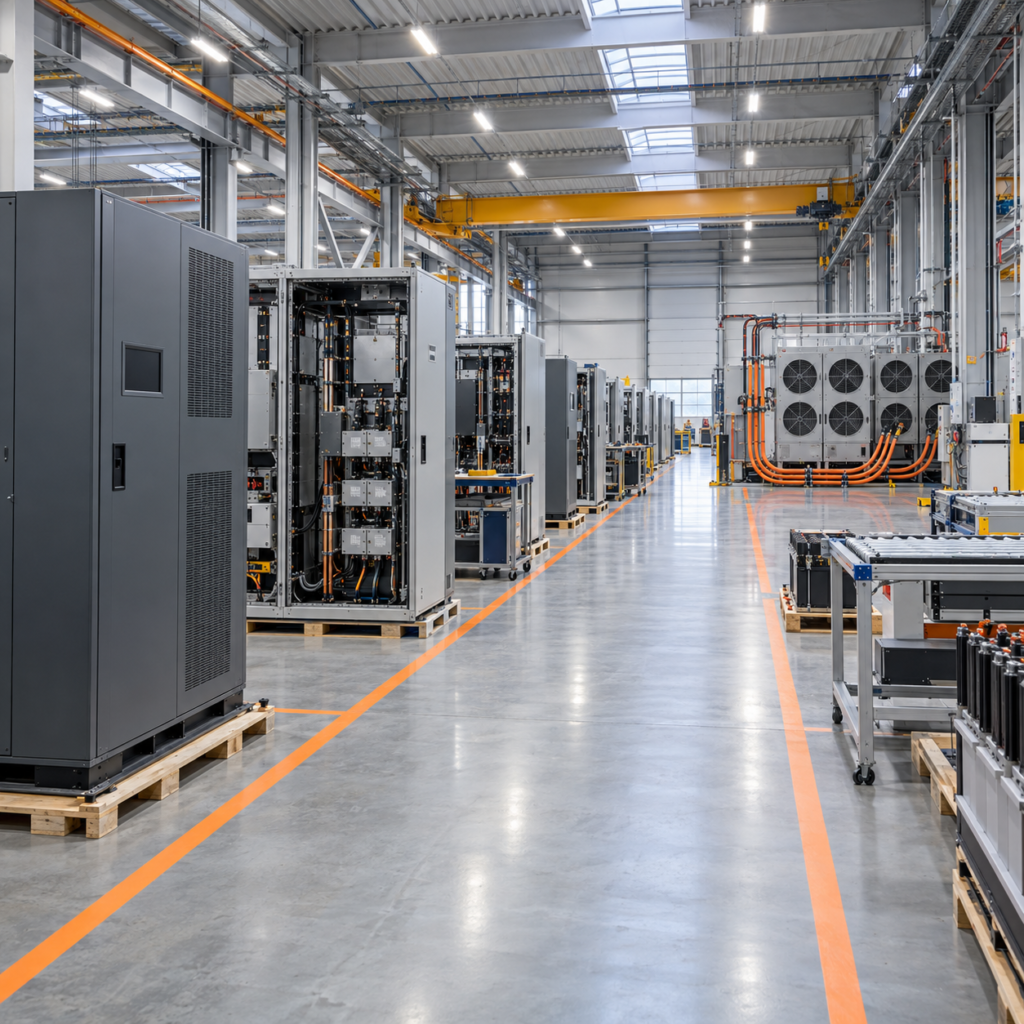
Industrial UPS Manufacturer: What to Ask Before You Order A UPS purchase is a ten-year relationship with a factory you may never visit—the questions you ask before the order decide how that relationship behaves on the day something fails Introduction Industrial UPS procurement has an asymmetric risk profile that buyers underestimate. The equipment itself is […]
How to Size a UPS System for a Data Center

How to Size a UPS System for a Data Center Sizing is the difference between a UPS that spends its life serving load and one that spends it in bypass, in overload, or in idleness—the method matters more than the number Introduction Ask for a UPS quotation without a load calculation and you will receive […]
Live Swap Power in the Data Center: Buying Maintenance Access Without a Shutdown