
How Cable Factory Tests Work: Spark Test, Conductor Resistance and More
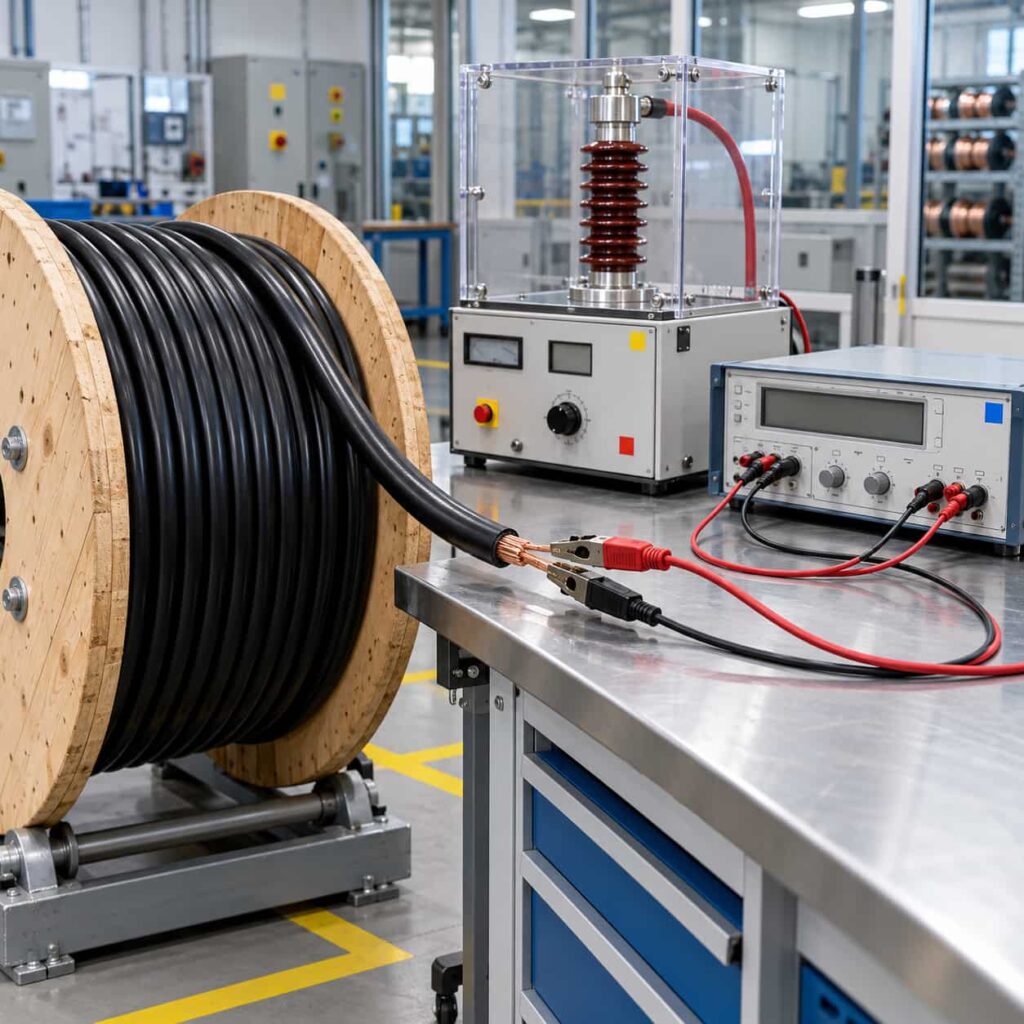
How Cable Factory Tests Work: Spark Test, Conductor Resistance and More Quick Answer: Cable ships only after routine tests on every length — spark test, conductor resistance, high-voltage withstand — with the batch report keyed to the drum IDs at your site. A cable drum is a sealed promise: whatever was tested at the factory […]
Voltage Drop in Long Cable Runs: Calculations Every Buyer Should Check

Voltage Drop in Long Cable Runs: Calculations Every Buyer Should Check Quick Answer: On long runs voltage drop — not ampacity — sizes the conductor: a feeder can pass the thermal check and still deliver 8 percent less voltage than the load needs. Short circuits are thermal problems; long circuits are voltage problems. A cable […]
Cable Derating Factors: Temperature, Grouping and Installation Method
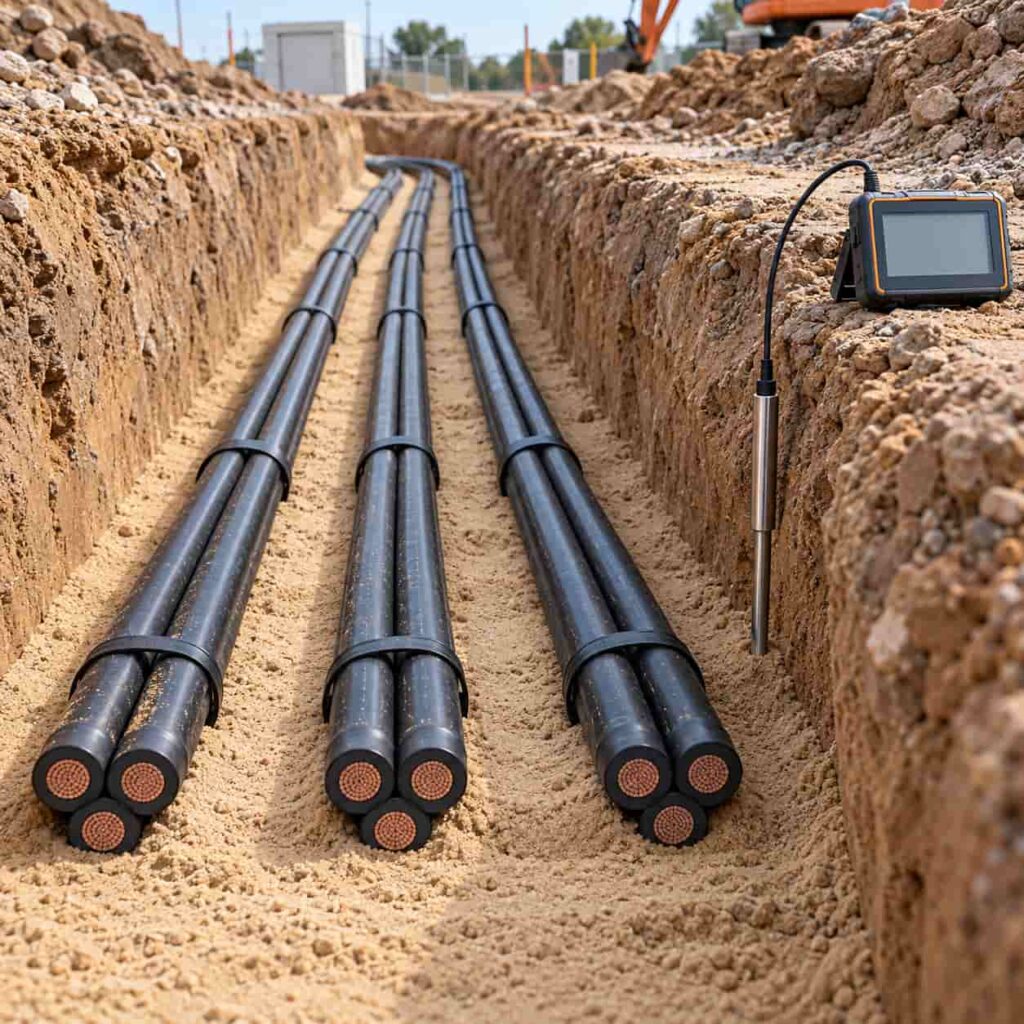
Cable Derating Factors: Temperature, Grouping and Installation Method Quick Answer: Published ampacity assumes standard conditions; real installations multiply it down — ambient, grouping, soil and depth cut the rating, grouped buried circuits commonly losing 30-60 percent. The most expensive number in cable procurement is the one printed in the catalogue, because it’s almost never the […]
Cable Voltage Ratings Explained: 0.6/1kV, 8.7/15kV and 26/35kV
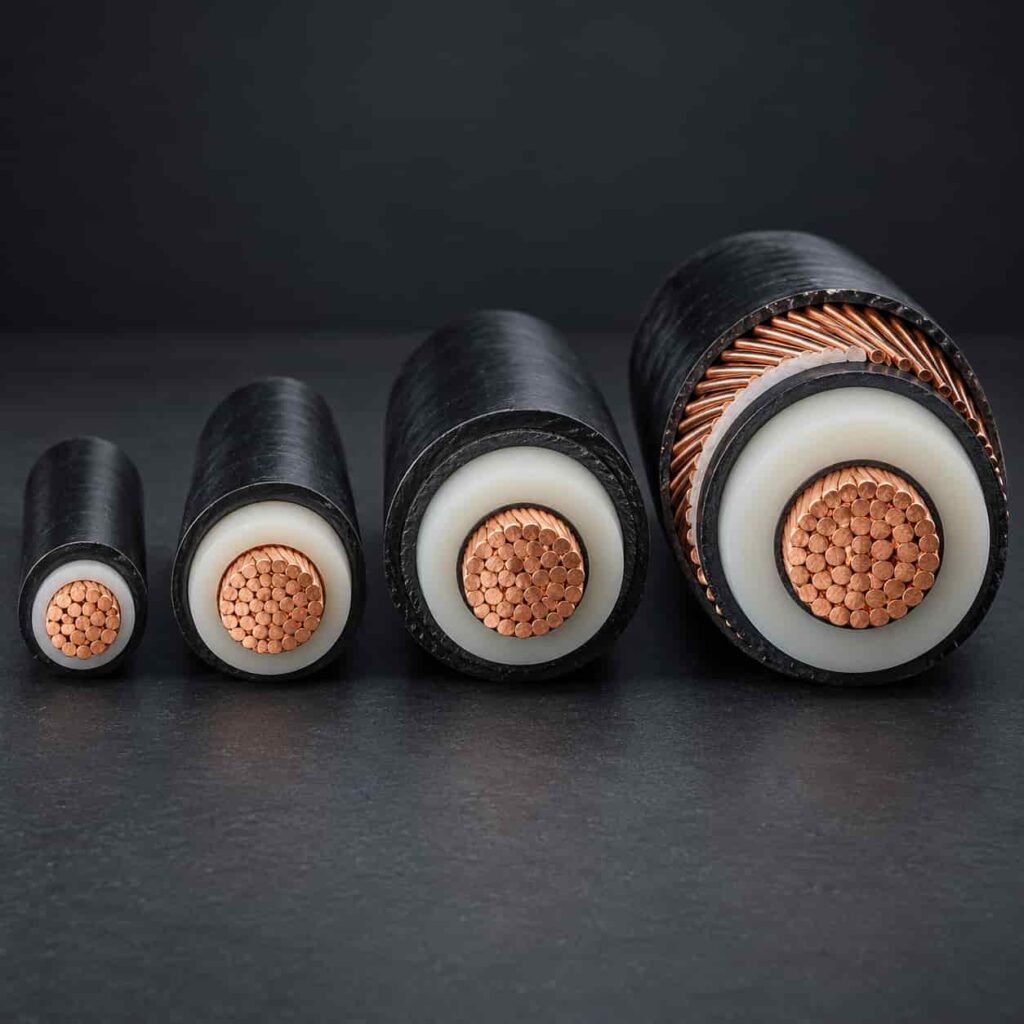
Cable Voltage Ratings Explained: 0.6/1kV, 8.7/15kV and 26/35kV Quick Answer: A U0/U rating answers two questions — U0 is conductor-to-earth voltage, U between conductors — and the earthing regime decides which number binds. No line on a cable schedule is quoted more and understood less than the voltage rating. The two-number grammar travels with every […]
BS 6387 and Fire Survival Cable: C, W, Z Categories Decoded
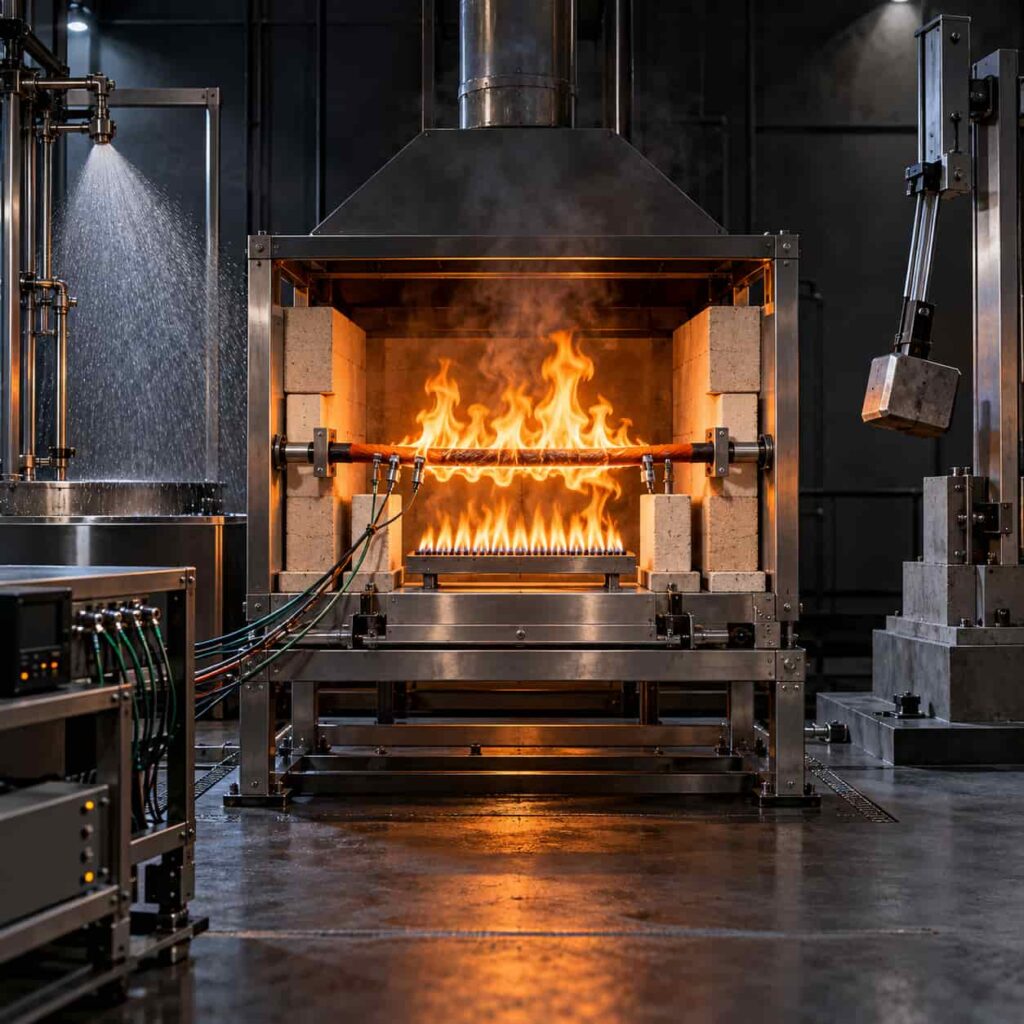
BS 6387 and Fire Survival Cable: C, W, Z Categories Decoded Quick Answer: BS 6387 grades circuit-integrity cable with three tests — C fire alone, W fire with water, Z fire with shock — each with a time suffix; CWZ passed all three. Circuit integrity is the harshest promise a cable can make: stay live […]
IEC 60754 and IEC 61034: Halogen Content and Smoke Density Testing

IEC 60754 and IEC 61034: Halogen Content and Smoke Density Testing Quick Answer: IEC 60754 measures corrosive acid gas, IEC 61034 smoke density — the two tests that turn a ‘low smoke zero halogen’ claim into numbers. The most dangerous parts of a cable fire are often invisible: the acid gases that corrode electronics and […]
IEC 60332 Flame Spread Tests: Categories A, B and C Compared
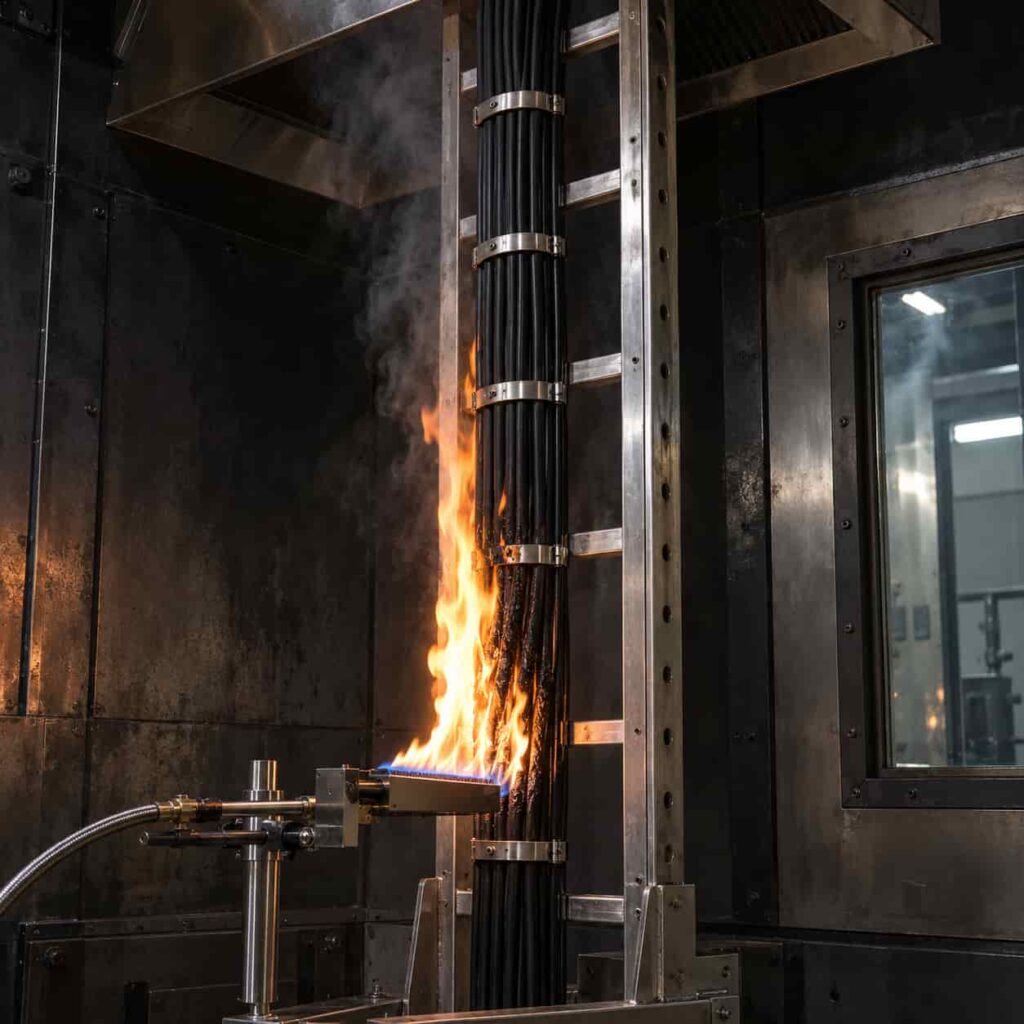
IEC 60332 Flame Spread Tests: Categories A, B and C Compared Quick Answer: IEC 60332 measures how far flame travels along cable before self-extinguishing — Part 1 a single cable, Part 3 bundles graded A to D — chosen by installed cable density, not preference. Every cable datasheet carries a flame-spread claim, and most of […]
IEC 60502 Explained: The Standard Behind LV and MV Power Cables
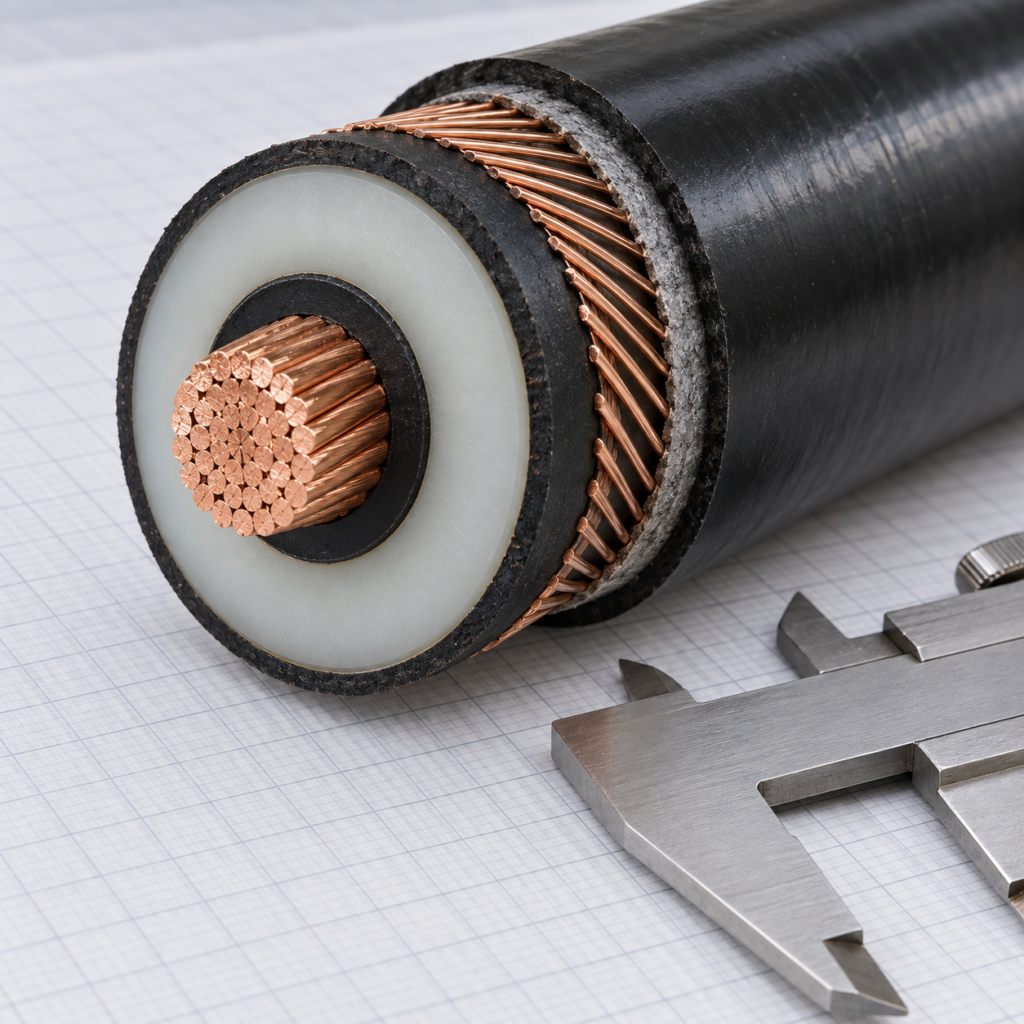
IEC 60502 Explained: The Standard Behind LV and MV Power Cables Quick Answer: IEC 60502 is the two-part standard for extruded-insulation power cables — Part 1 for LV, Part 2 for MV — fixing the construction and tests most schedules quietly assume. Ask a cable factory which standard governs a medium-voltage feeder and the answer, […]
Flame Retardant Categories ZA, ZB, ZC: Matching Cable to Risk Level
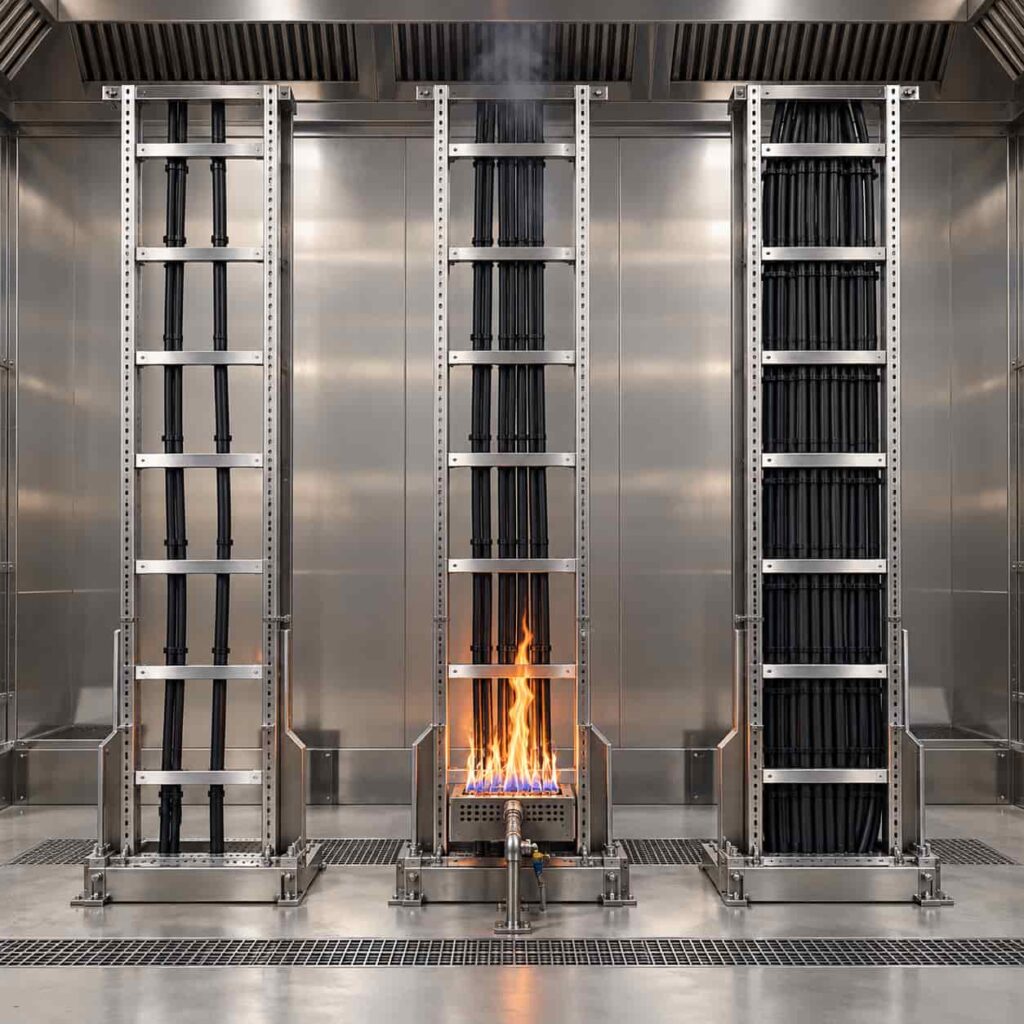
Flame Retardant Categories ZA, ZB, ZC: Matching Cable to Risk Level Quick Answer: ZA, ZB and ZC grade flame retardancy by the bundled cable load in the test — the correct grade is set by how much cable shares the tray. Flame retardancy sounds like a yes-or-no property, and buying it that way is the […]
GB 31247 Burning Behavior Classes: What B1 Cable Really Means

GB 31247 Burning Behavior Classes: What B1 Cable Really Means Quick Answer: GB 31247 grades cable burning behavior into B1, B2 and B3 classes — and a B1 claim without the test report naming that class is a word, not a property. Fire codes have stopped asking whether a cable burns and started asking how […]