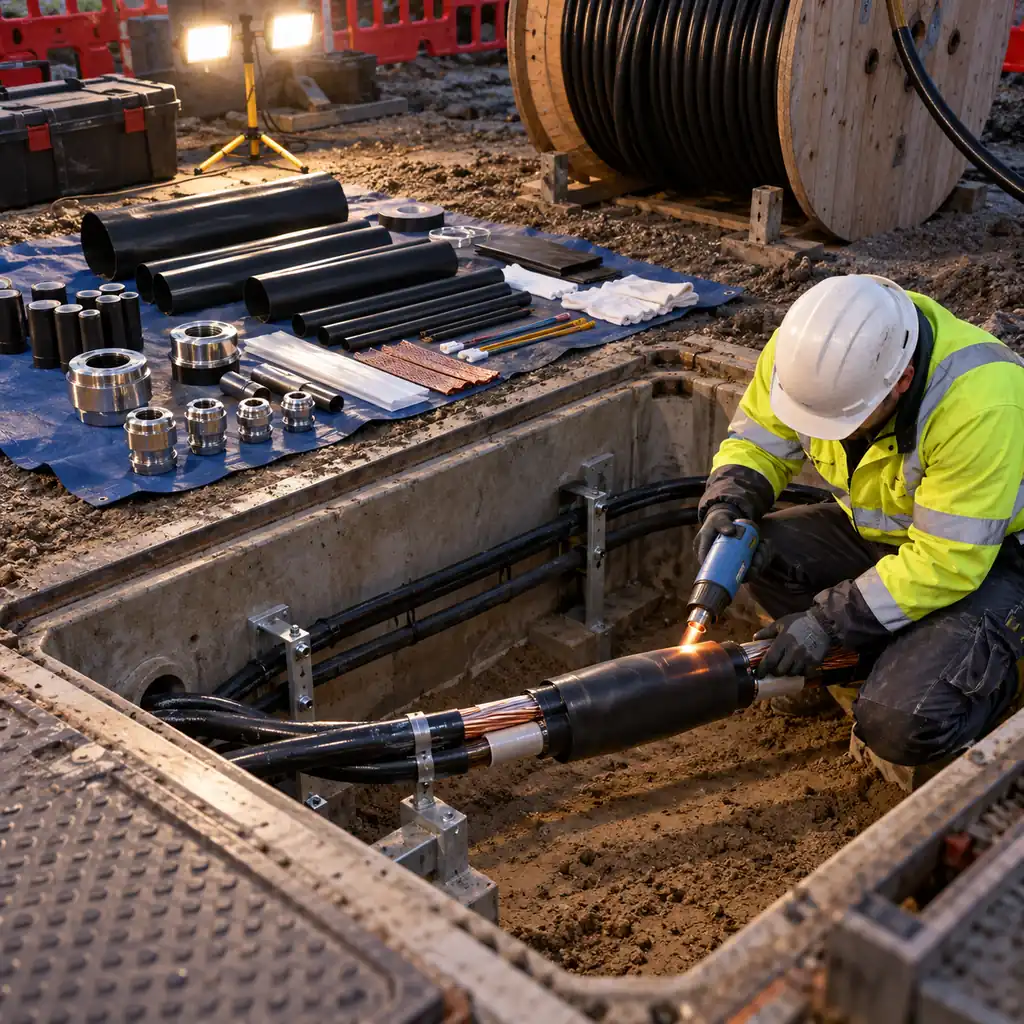
Cable Joint Kit Selection: Specifying Joints and Terminations That Last
Sample and Bend-Test Validation Before Bulk Orders: A Buying Protocol

Inspecting Site Cable: When to Keep, Repair or Replace
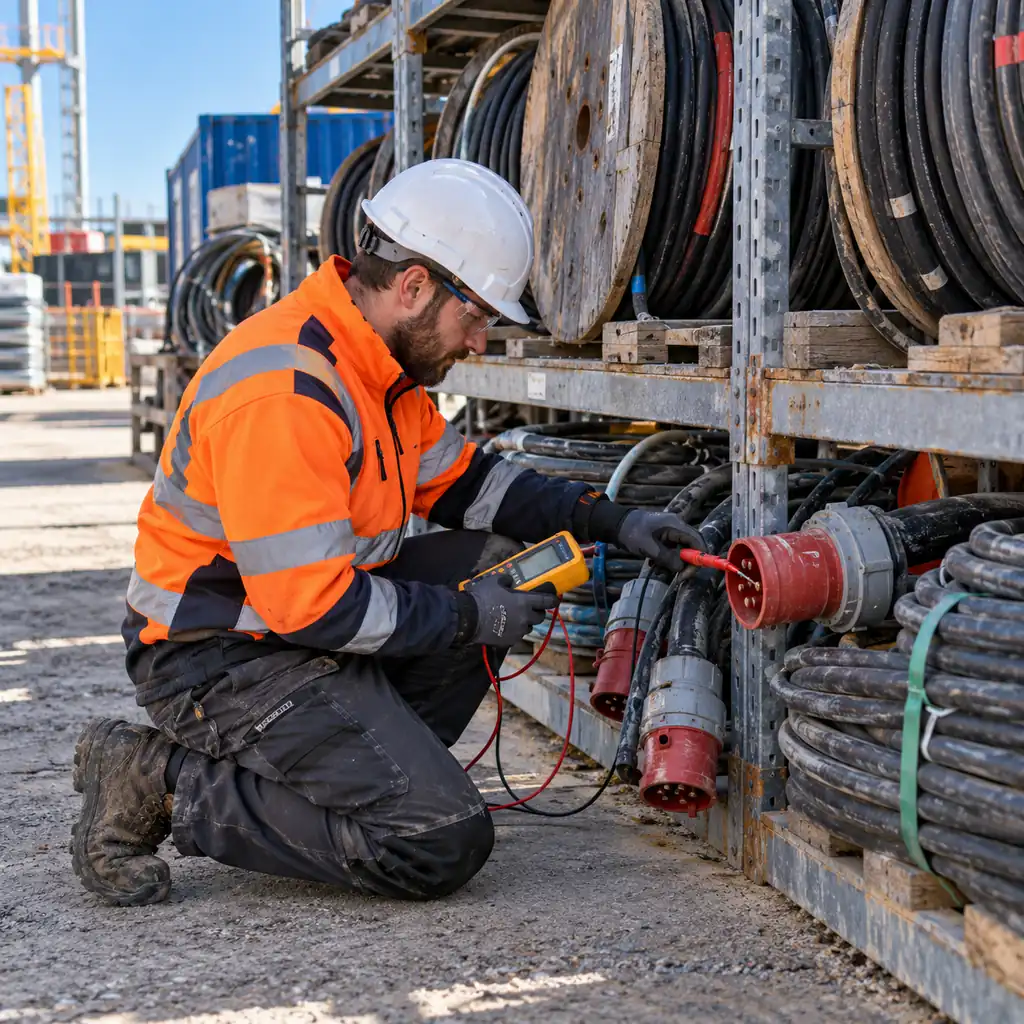
Mining Cable Inspection on Delivery: Building an Acceptance Test Plan
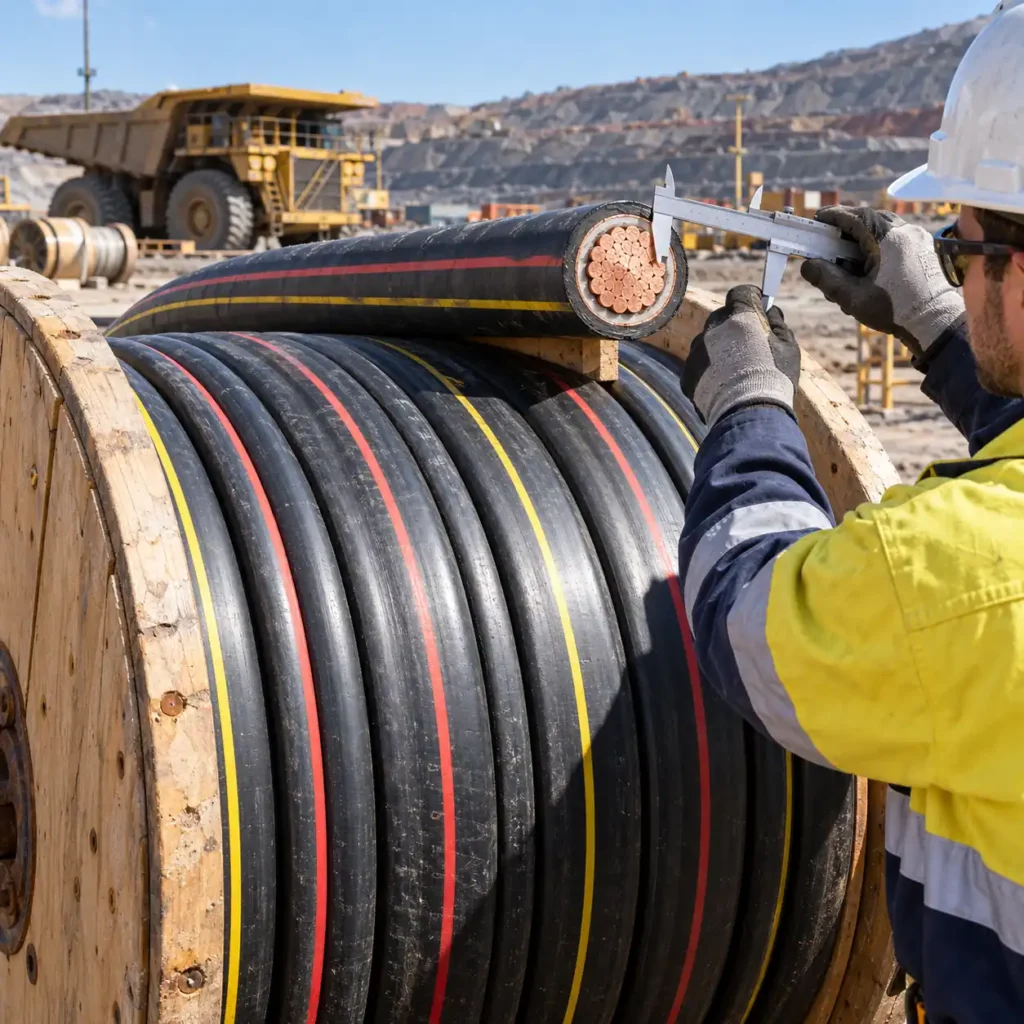
Flame-Retardant and Anti-Static Mining Cable: What the Tests Prove
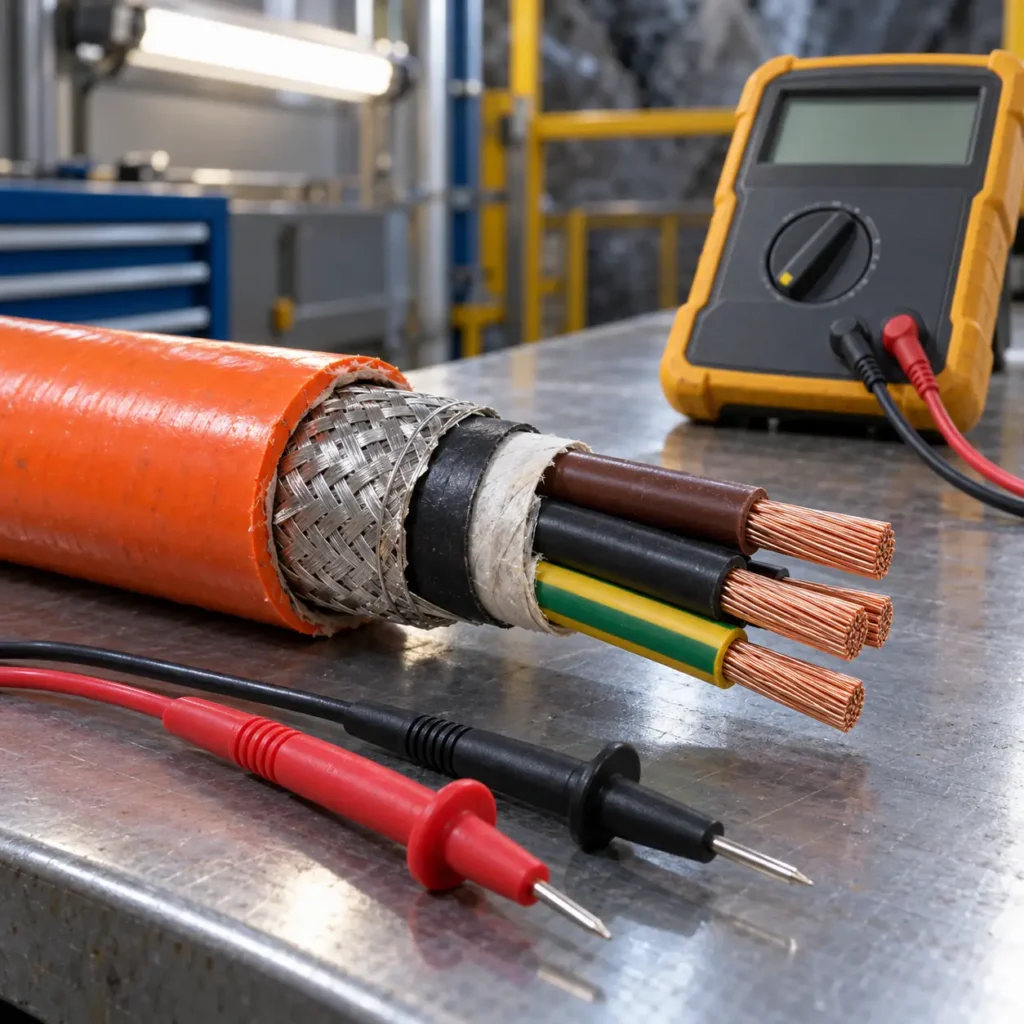
The Cable Sample Approval Process: What to Test Before Mass Production
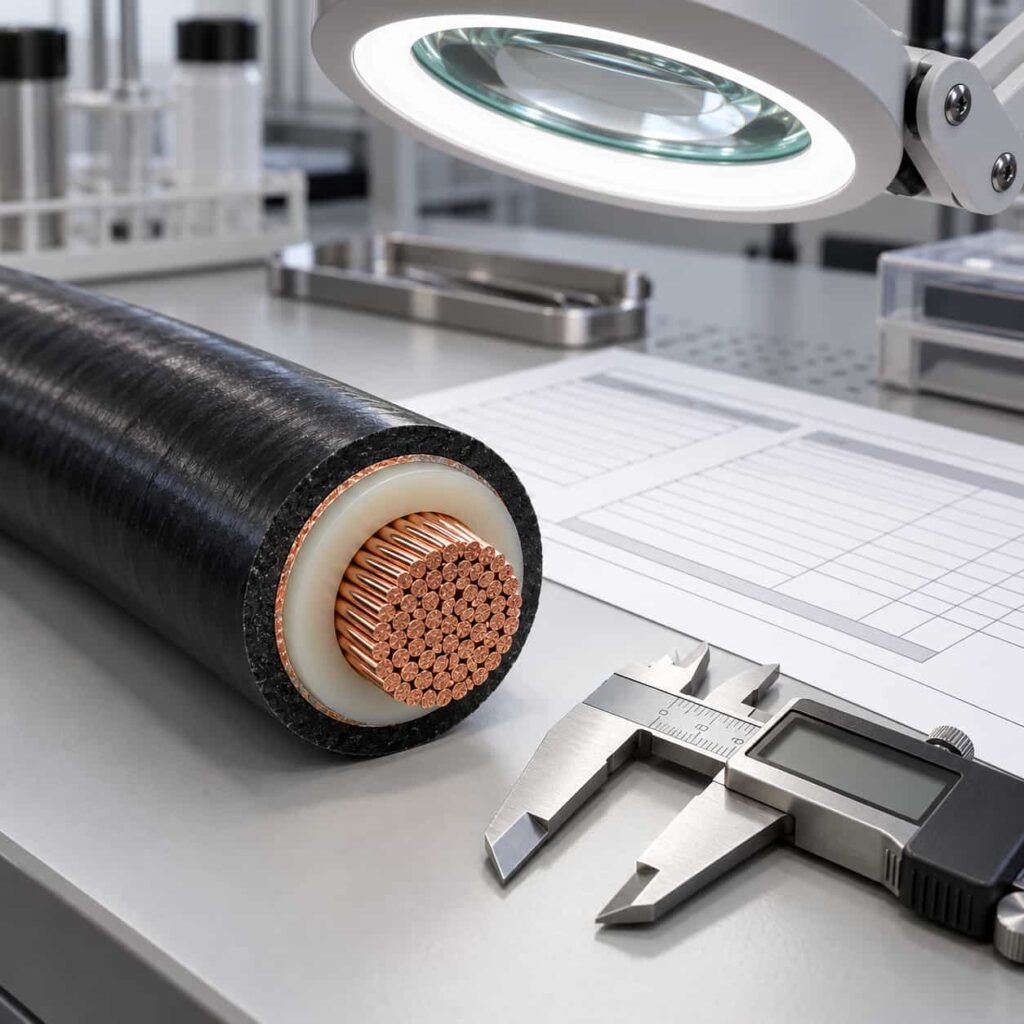
The Cable Sample Approval Process: What to Test Before Mass Production Quick Answer: Sample approval tests the supplier’s claims while changes are still cheap — a sample from the same lines as your order, signed off against recorded evidence. A cable sample costs a few meters of product and a week of freight. The order […]
Copper Purity in Cable Conductors: Grades, Risks and How to Verify Them
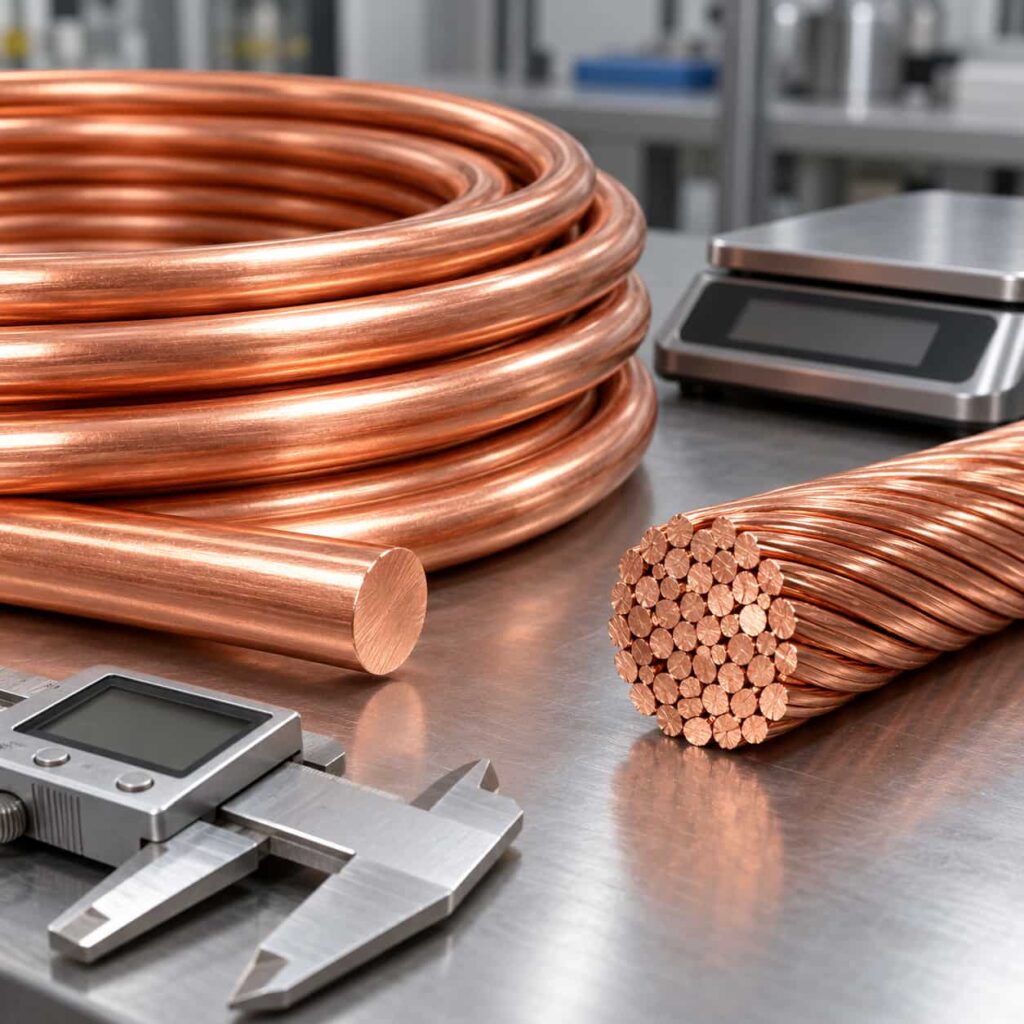
Copper Purity in Cable Conductors: Grades, Risks and How to Verify Them Quick Answer: Cable conductors use electrolytic tough pitch copper at about 99.9 percent purity — the buyer’s defense is the resistance test per length and batch reports keyed to the drums shipped. Two cables can look identical on a drum, weigh the same […]
How Cable Factory Tests Work: Spark Test, Conductor Resistance and More
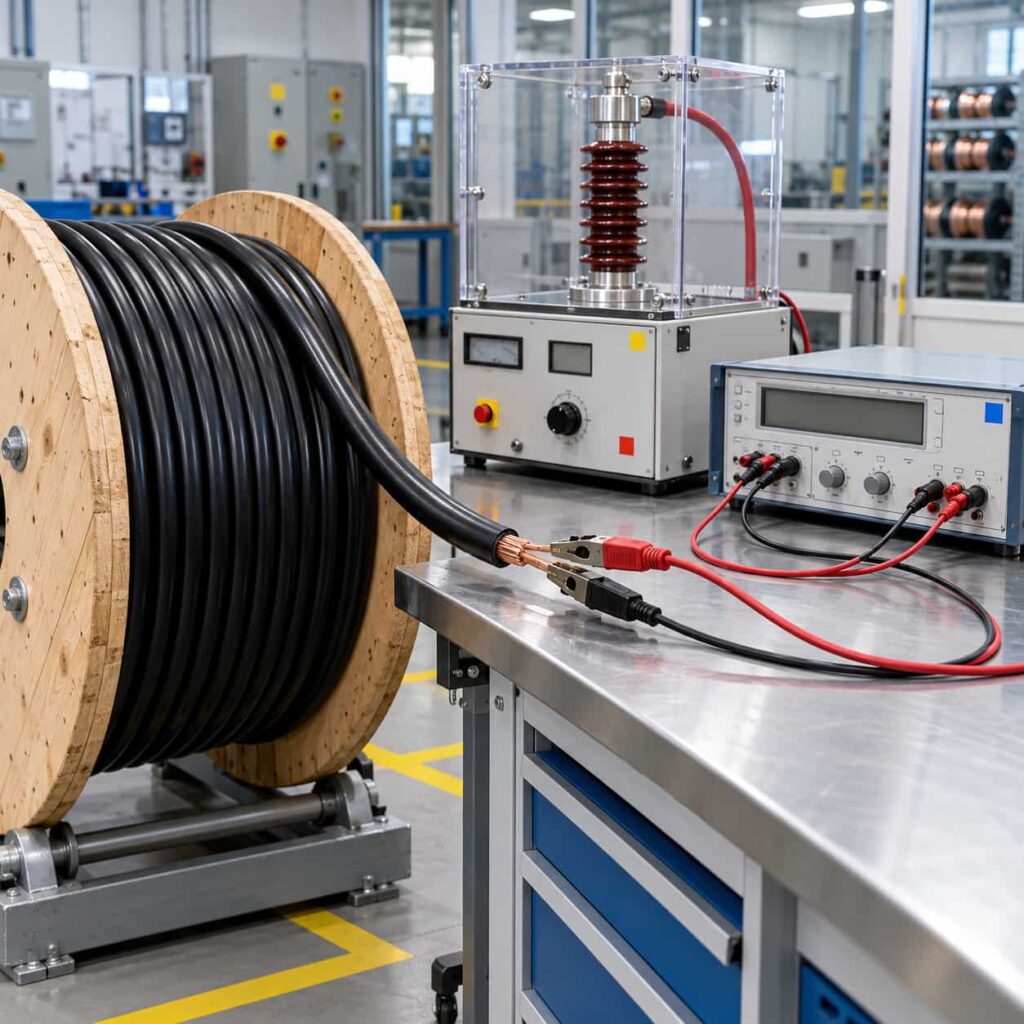
How Cable Factory Tests Work: Spark Test, Conductor Resistance and More Quick Answer: Cable ships only after routine tests on every length — spark test, conductor resistance, high-voltage withstand — with the batch report keyed to the drum IDs at your site. A cable drum is a sealed promise: whatever was tested at the factory […]
Firestop Cable Penetration Systems: What to Specify, Test and Inspect
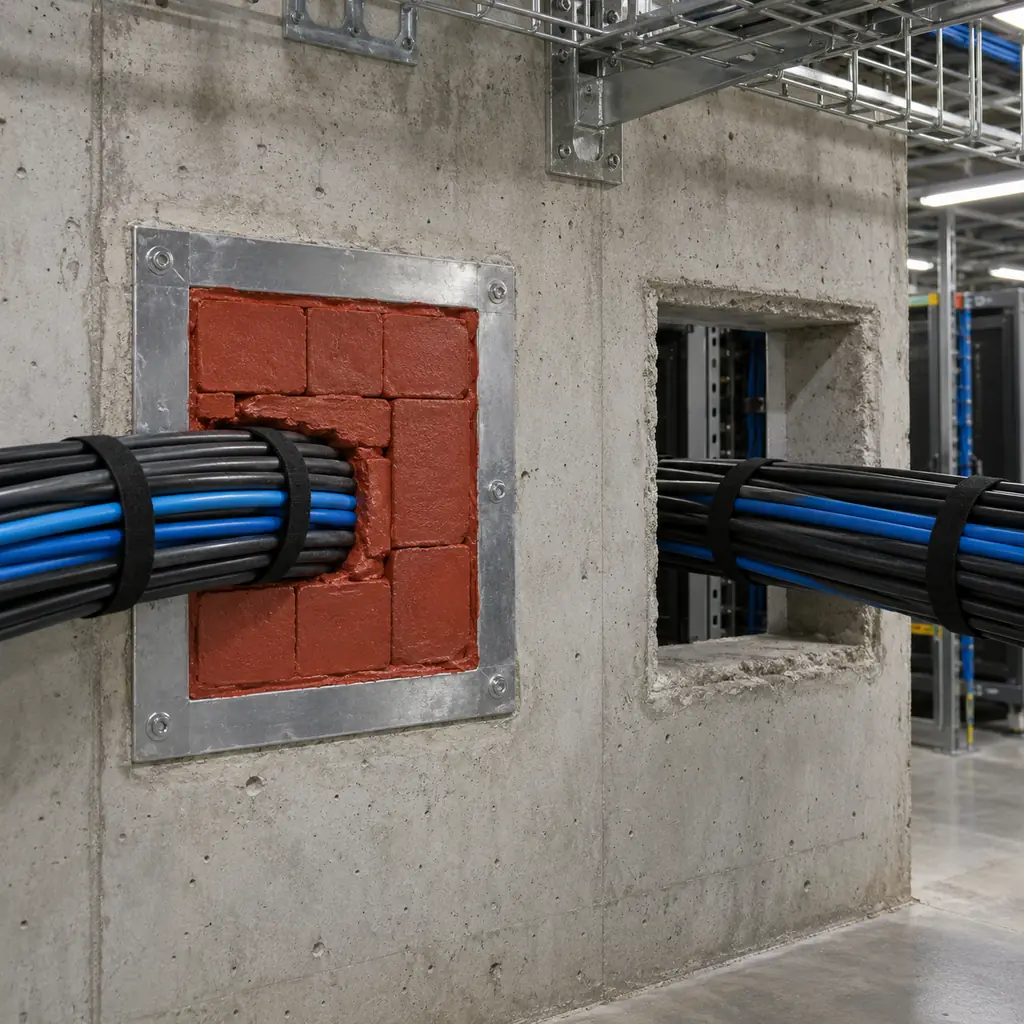
Acceptance Testing for Motion Cable Deliveries: A Practical Protocol