
Abrasion and Notch Testing for Cable Jackets: Methods and Pass Criteria
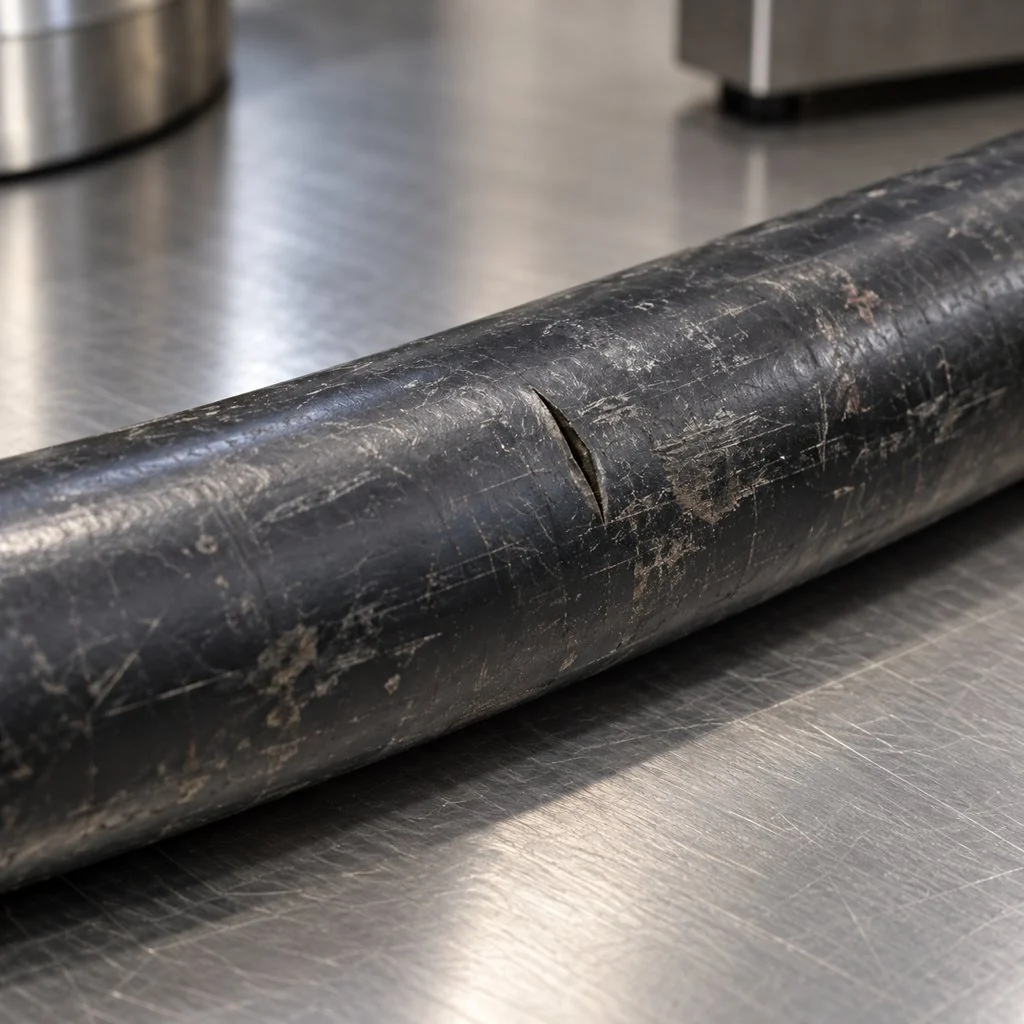
Oil Resistance Testing: IRM Oils, Standards and Real-World Coolants

Cable Insulation Selection for Site Conditions: PVC, XLPE, EPR and Silicone Compared
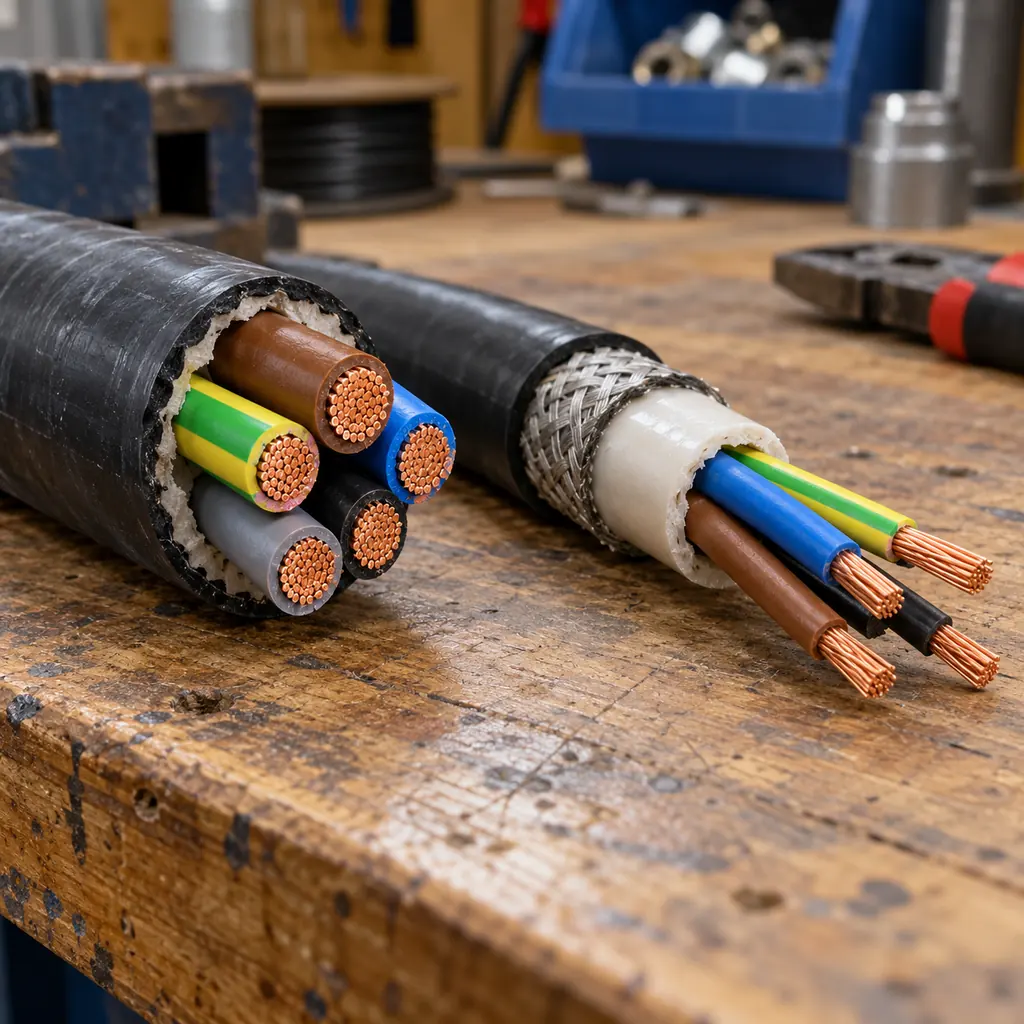
Aluminum vs Copper Conductors for Power Distribution: Cost vs Performance
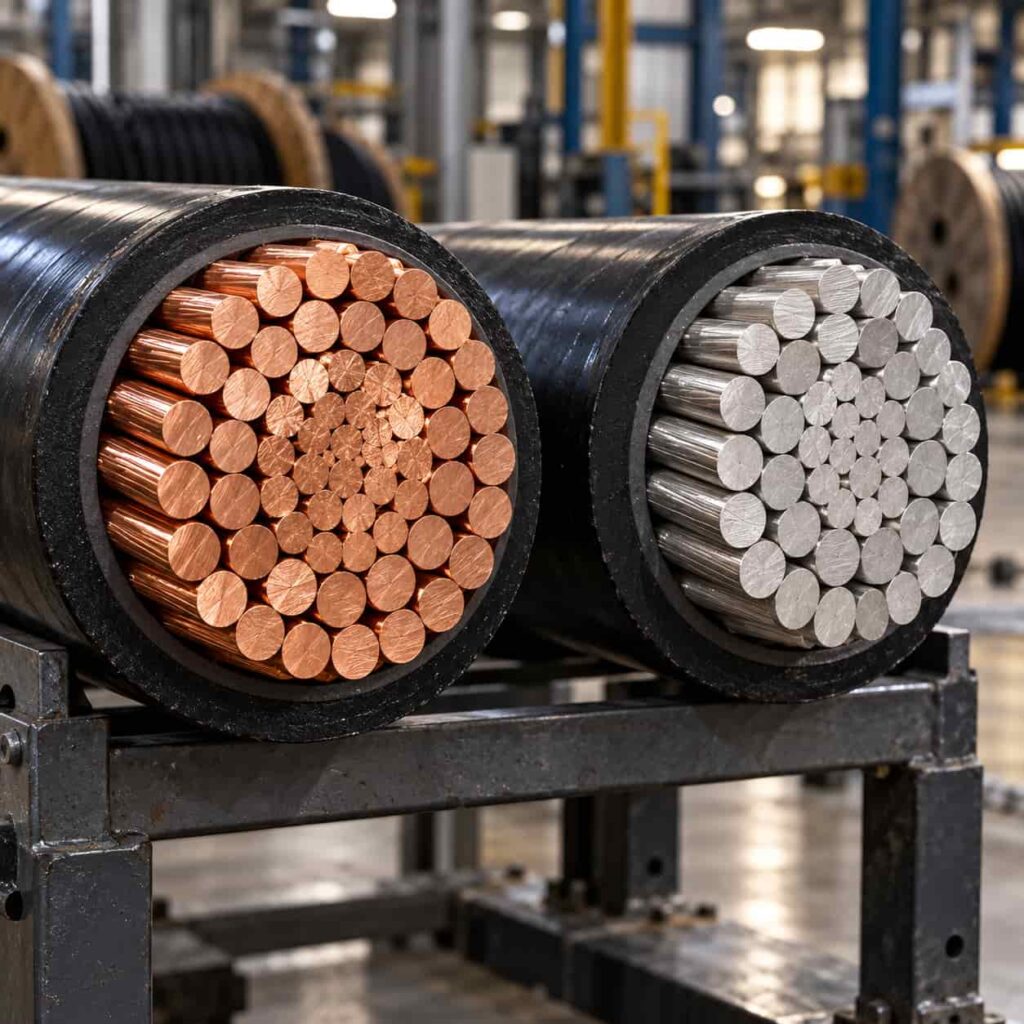
Aluminum vs Copper Conductors for Power Distribution: Cost vs Performance Quick Answer: Aluminum conducts about 61 percent as well as copper but costs far less per ampere delivered — it wins on long straight feeders; copper wins where space is tight. The conductor-metal question looks like a spreadsheet problem, and part of it is: run […]
Cable Sheathing Materials Compared: PVC, PE, XLPE and LSZH Jackets
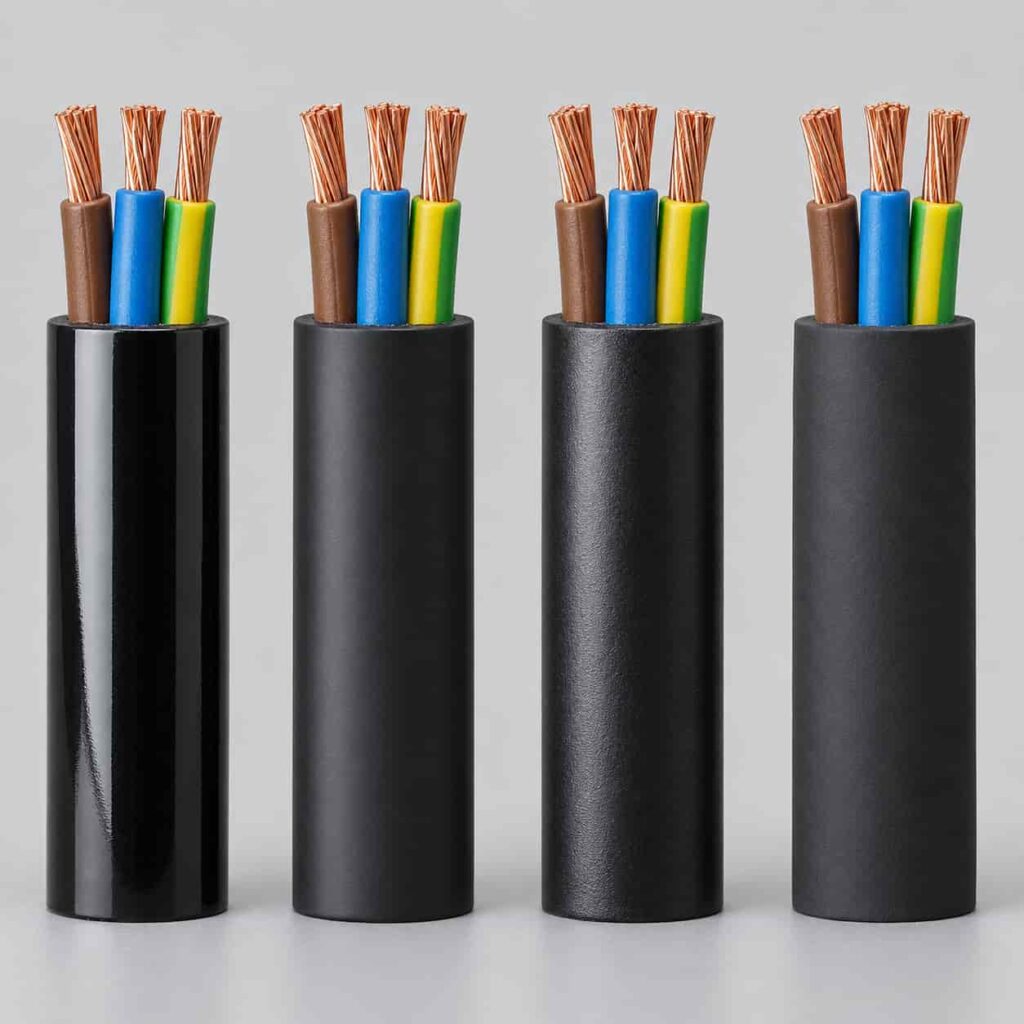
Cable Sheathing Materials Compared: PVC, PE, XLPE and LSZH Jackets Quick Answer: The outer sheath is the cable’s armor — PVC balances cost and flame retardancy, PE wins on moisture and cold, XLPE raises temperature, LSZH buys clean fire behavior. Buyers argue about conductor size and insulation class and then accept whatever sheath the factory […]
IEC 60228 Conductor Classes 1, 2, 5 and 6: Stranding Matters
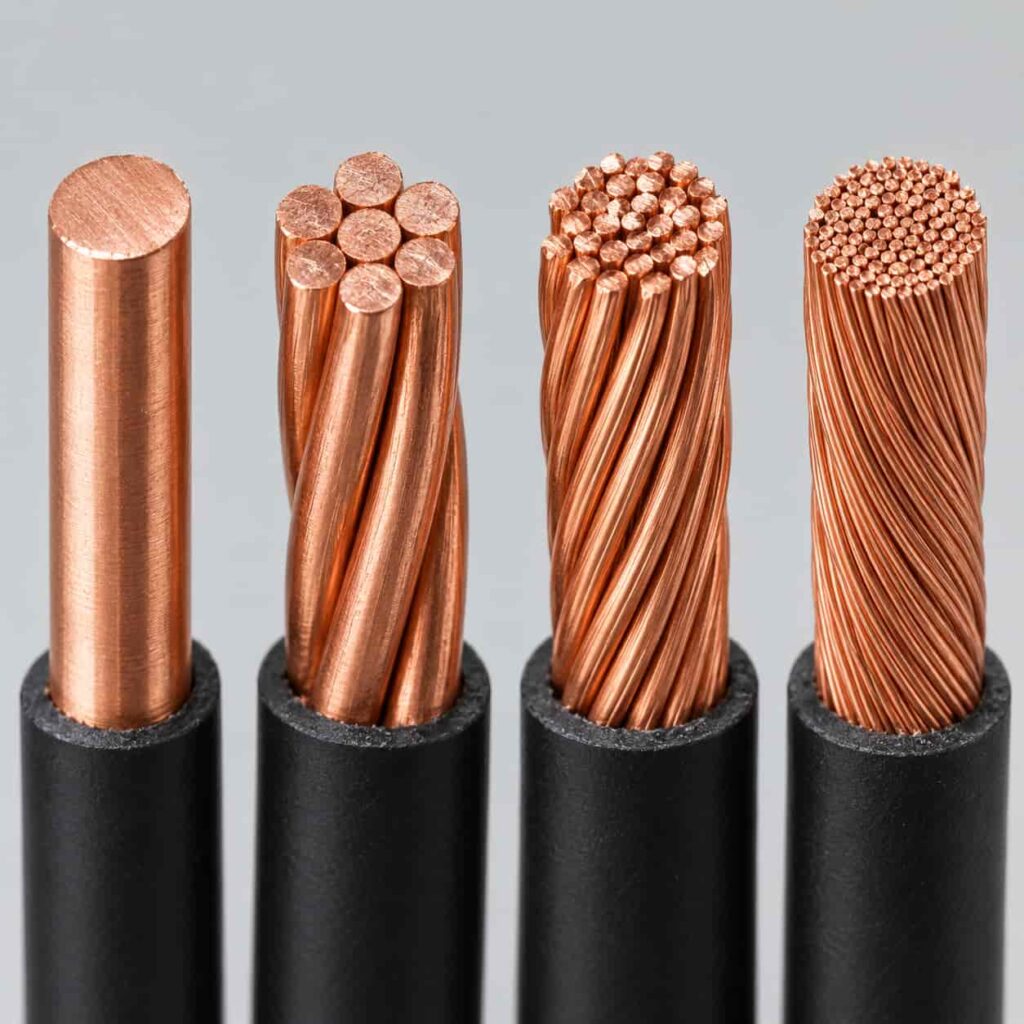
IEC 60228 Conductor Classes 1, 2, 5 and 6: Stranding Matters Quick Answer: IEC 60228 grades conductors by flexibility — solid, stranded, flexible, extra-flexible — and naming the class in the RFQ is the difference between clean terminations and fatigue at the gland. Two cables can carry the same cross-section, the same insulation and the […]
BV and BVR Building Wire: What International Buyers Should Know
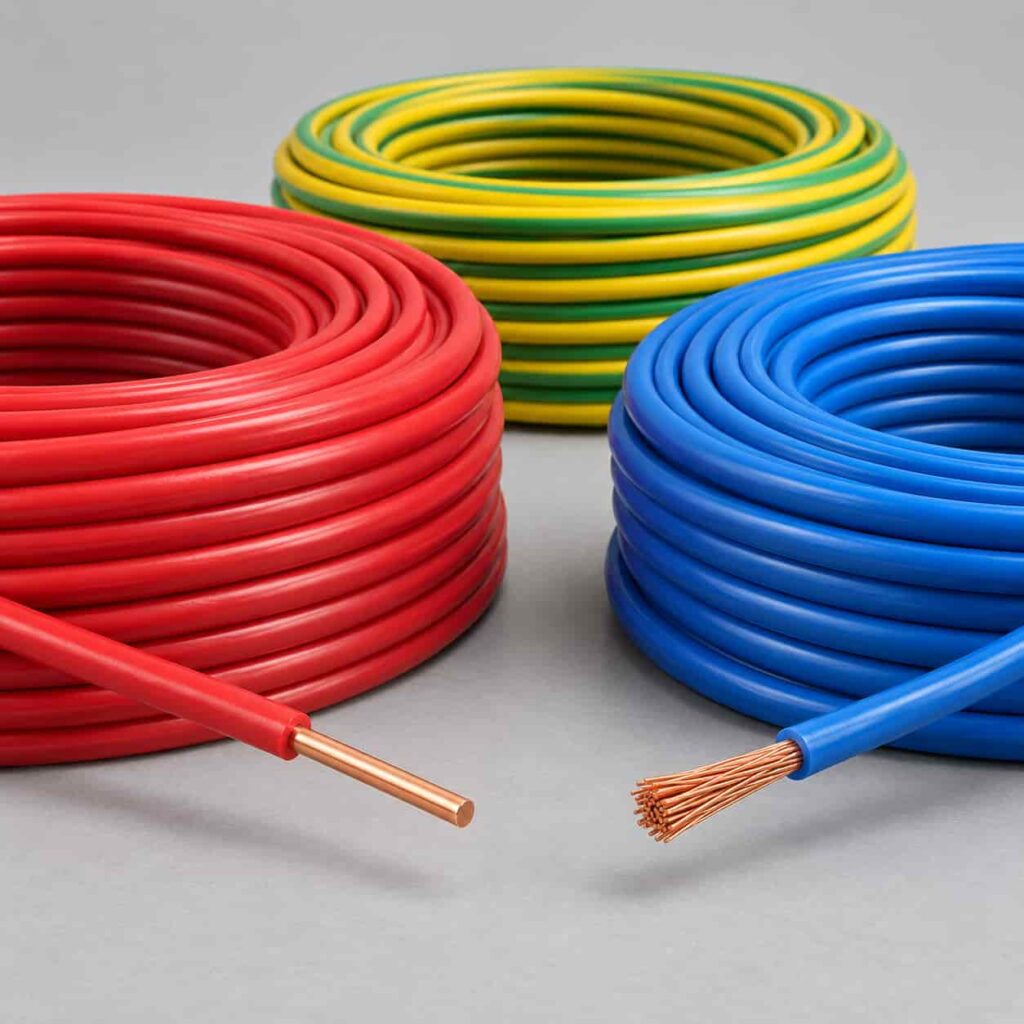
BV and BVR Building Wire: What International Buyers Should Know Quick Answer: BV and BVR are China’s standard single-core building wires — BV solid conductor for fixed conduit runs, BVR stranded where bends and vibration demand it. Bulkier cables get the attention, but buildings are actually wired in single cores: kilometers of insulated copper pulled […]
KVV Control Cable: Specs, Applications and Export Guide
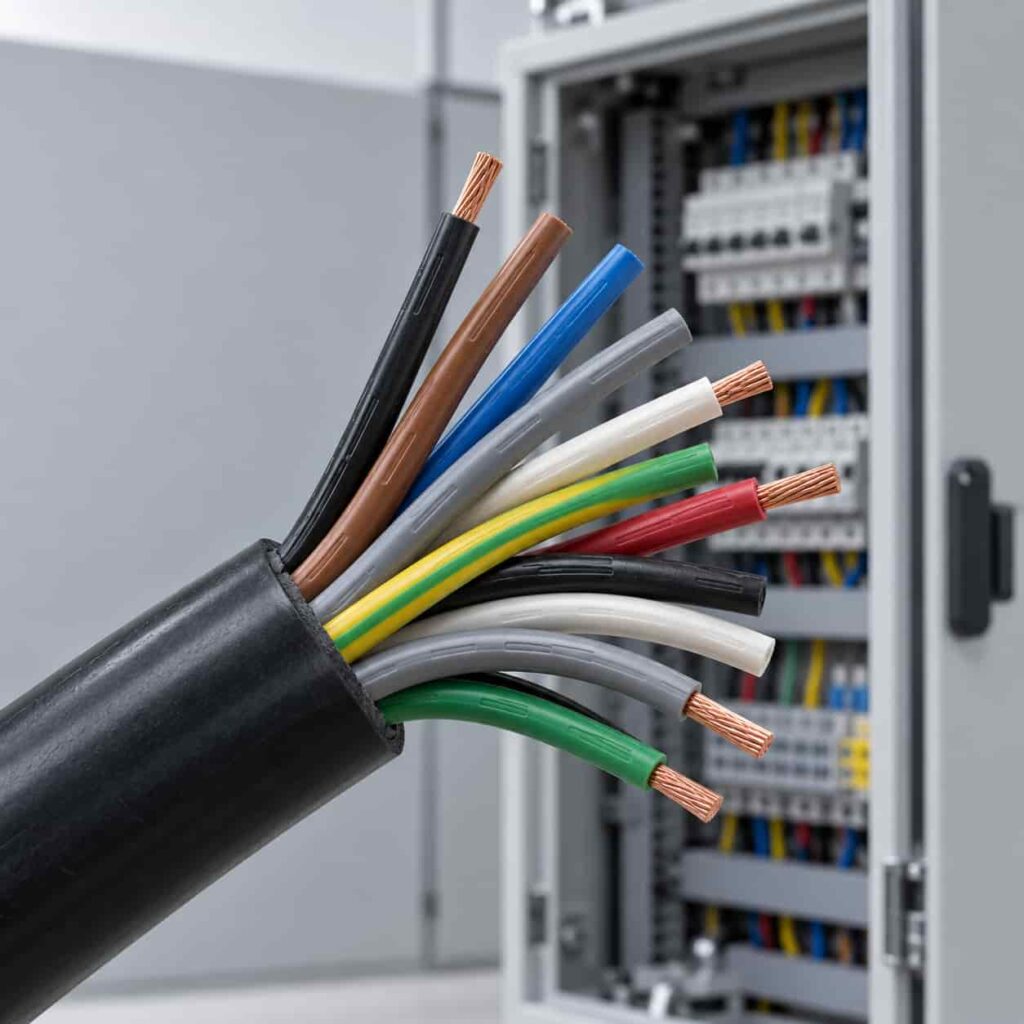
KVV Control Cable: Specs, Applications and Export Guide Quick Answer: KVV is China’s standard multi-core control cable — copper, PVC insulation and sheath, 450/750 V — running start, stop and interlock signals between panels and motors. A power cable moves kilowatts; a control cable moves decisions. Between every motor starter, valve actuator and PLC rack […]
The Chinese Cable Part Number Decoder: WDZ, NH, ZR, WDZB Explained
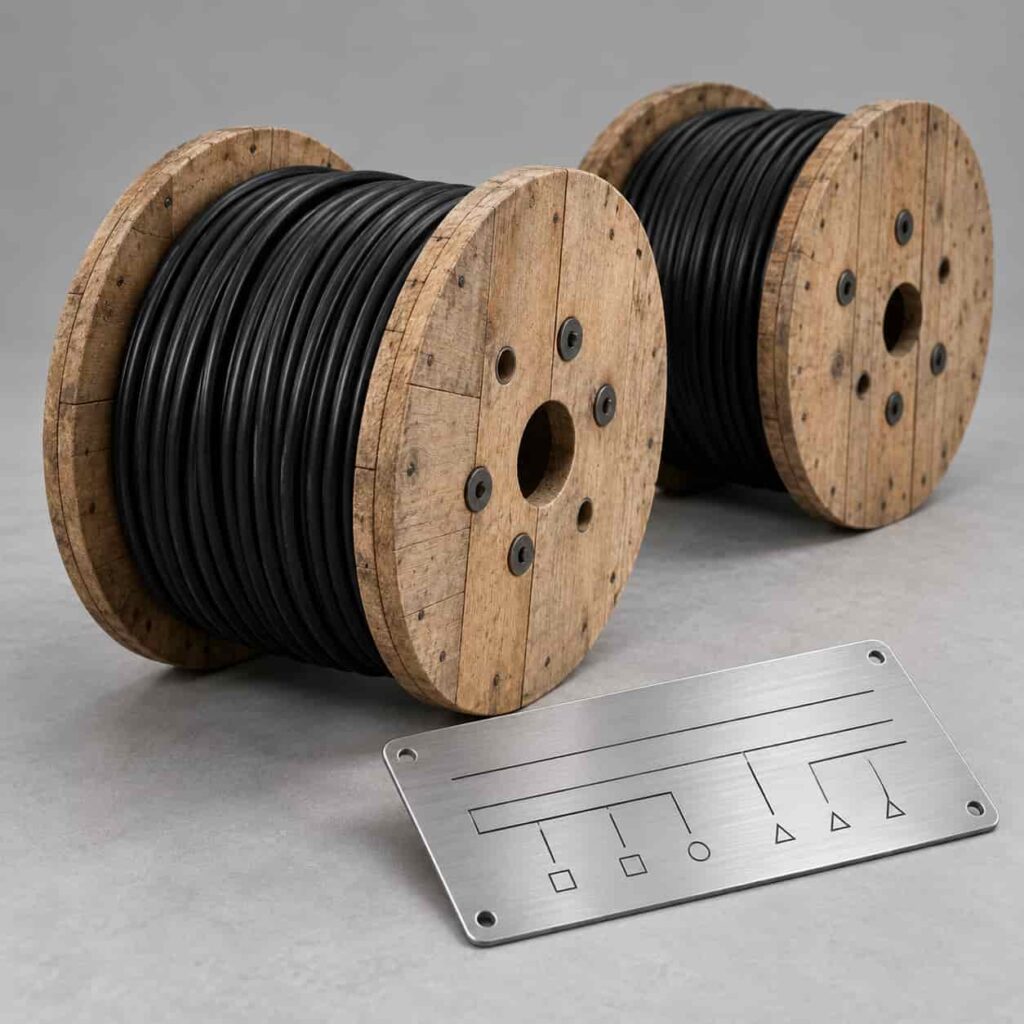
The Chinese Cable Part Number Decoder: WDZ, NH, ZR, WDZB Explained Quick Answer: ZR adds flame retardancy, WDZ adds low-smoke halogen-free behavior, WDZB pins the class to B1, NH keeps circuits live through flame — four prefixes read left to right. Ask for a cable by its insulation letters and you have described what it […]
YJV vs YJY: Reading Chinese Cable Designations Like a Local
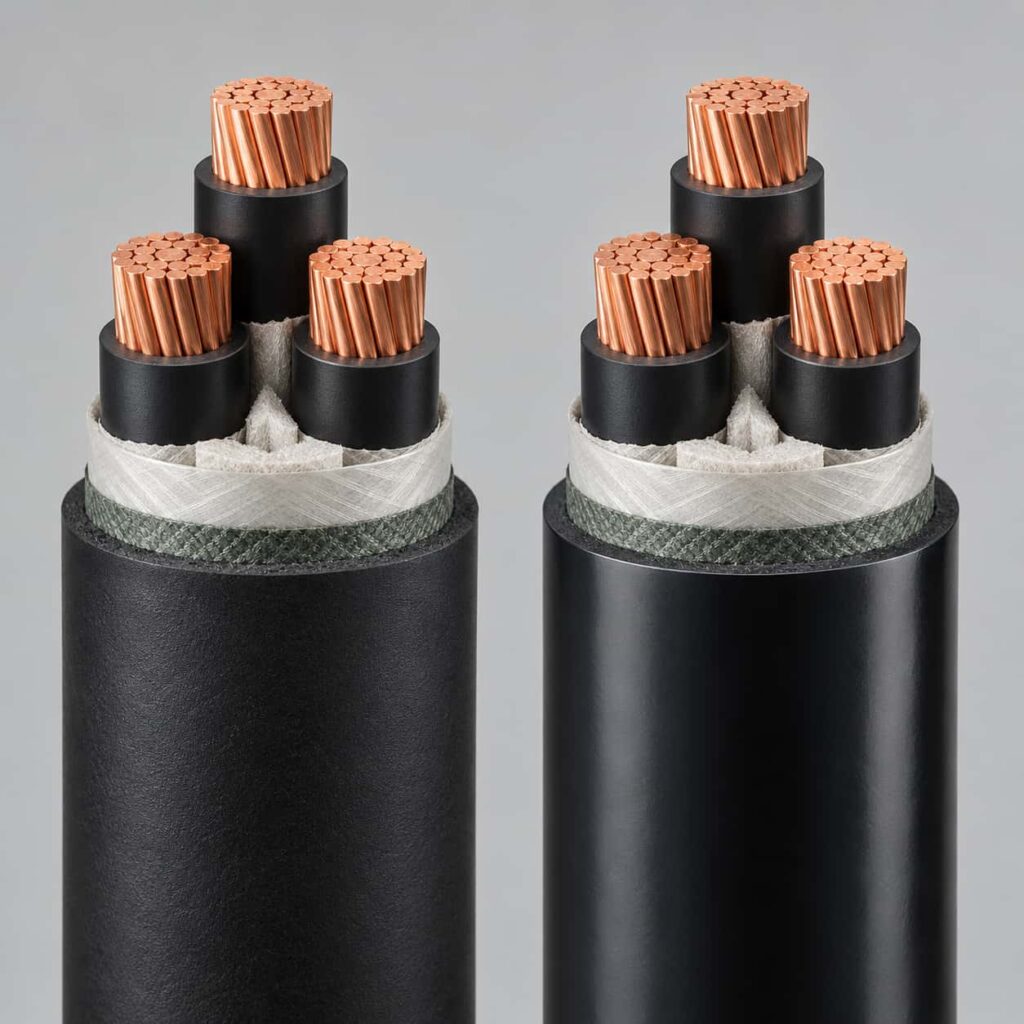
YJV vs YJY: Reading Chinese Cable Designations Like a Local YJV vs YJY: Reading Chinese Cable Designations Like a Local Quick Answer: YJV and YJY share XLPE insulation and differ only in sheath — V is PVC, Y is polyethylene: PVC brings flame retardancy, PE brings moisture resistance. Ask a Chinese engineer what cable the […]