Buying Textile Plant Cable in Uzbekistan: Light Industry Loads and Wet Processes
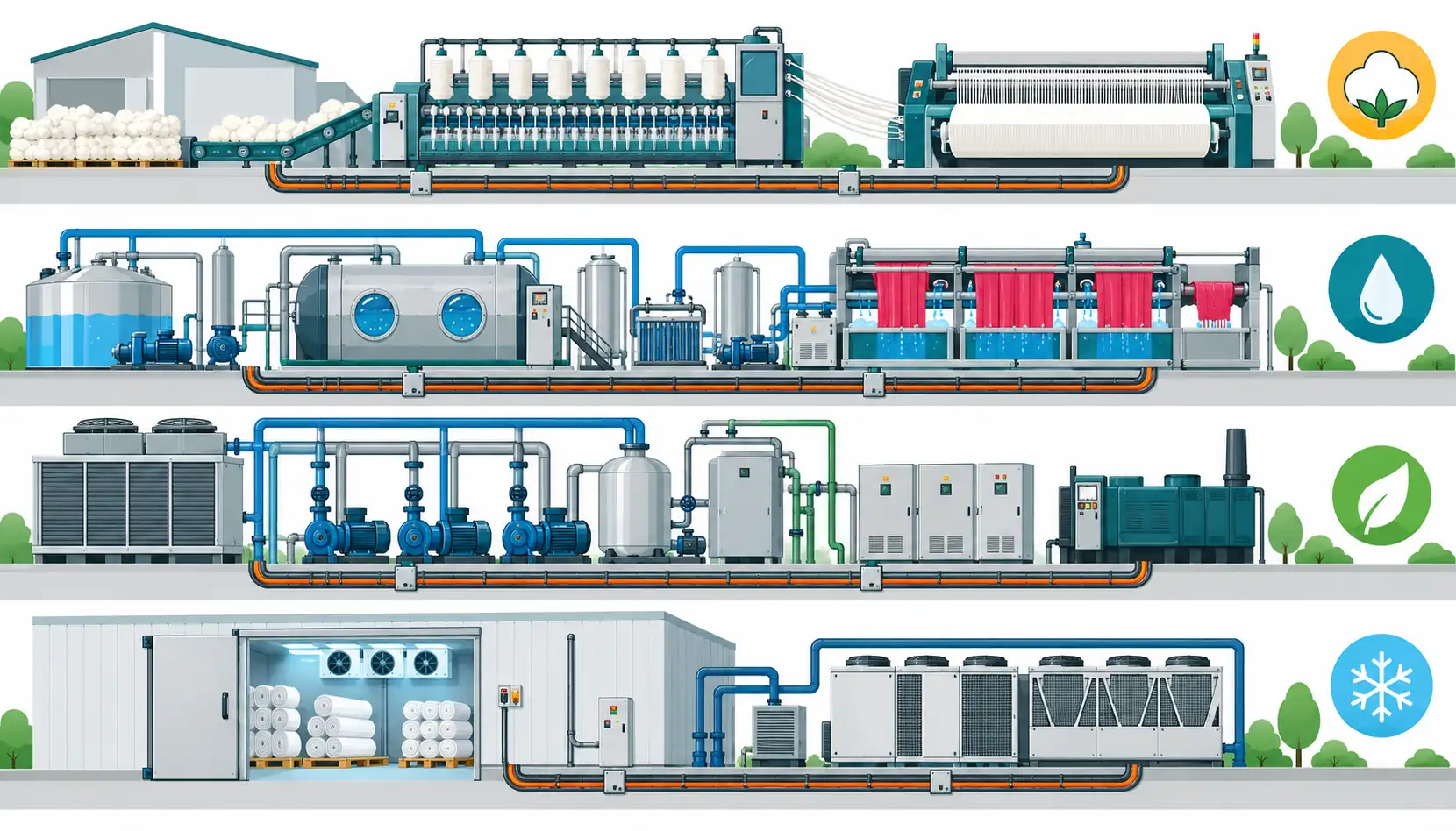
Quick Answer: A textile or agro-processing plant is four environments under one roof, and the cable order has to be split the same way. Spinning and weaving are dry, hot and full of lint; dyeing and finishing are wet, alkaline and sometimes acidic; the utility house is humid and vibration-heavy; the cold store is the opposite problem. Fix the ambient temperature, the humidity, the chemical list and the washdown routine for each department, then let the sheath, the gland and the tray decision follow. One plant-wide “industrial cable” line will be right in the office and wrong everywhere else.
Introduction
Uzbekistan’s textile and food processing sector buys cable in a pattern that surprises buyers trained on heavy industry: hundreds of small motors, a great many control circuits, and very few large feeders. The electrical load is not the difficulty. The environment is, and it changes from one department to the next within the same building.
This guide is for plant engineers, EPC buyers and distributors supplying cable into textile and agro-processing projects in Uzbekistan. It covers how to read the load by department, the four environments that decide the sheath, the drive and control circuits that carry most of the risk, and the freeze list to settle before the order. Plant-wide power buying is covered in our note on power cable for Uzbekistan.
Start from the Department, Not the Machine List
The machine list tells you the sections; the department tells you the sheath. Fifty machines at four kilowatts each produce one cable schedule with a handful of sections, but the same cable run through a dye house and through a spinning hall has two different service lives. Reading the building department by department is what turns a quantity take-off into a specification.
Ambient temperature is higher than the design brief admits. A spinning hall in summer runs hot, and a cable tray near the ceiling runs hotter than the aisle temperature. Ask for the design ambient per department, add the tray position, and check the cable’s derating against it rather than against a generic 30 degree figure. The derating logic is set out in our note on cable derating factors.
Grouping matters as much as section. Tray-packed circuits are derated for grouping, and a plant with dense trays full of small motor feeds is exactly the case where grouping, not ambient, decides whether the section is adequate. Both numbers belong in the enquiry, on the same line.
Four Environments in One Plant
Dry, hot and lint-heavy. Spinning, carding and weaving fill the air with fibre, and the fibre settles on trays, in cabinets and around glands. Lint on a warm cable is both a fire load and a thermal blanket, and it is the reason tray cleaning belongs in the maintenance plan that the cable specification assumes.
Wet, warm and alkaline. Dyeing, bleaching and finishing run wet, often at temperature, with caustic and sometimes acidic baths. Cable in these areas needs a sheath that survives the chemical list, glands that seal against washdown, and a route that keeps joints out of the splash zone entirely.
Humid and vibrating. The utility house, the compressor room and the effluent pump station combine moisture with continuous vibration. Flexible connections at the equipment, and a sheath that does not embrittle in damp heat, are the two decisions that matter most.
Cold and dry. A cold store or a chilled packing hall is the opposite case: low temperature, condensation on the way in, and a cable that has to stay flexible at the evaporator end. The construction question is the same one covered in our note on waterproof cable constructions.
Agro-processing is the same plant with different dust. Flour, grain and fruit handling bring their own dust load and their own washdown regime, and a plant that switches from textile to food use without changing the cable specification keeps a lint-era sheath in a washdown corridor. Read the environment again when the process changes, even if the building does not.
Textile and Agro-Processing Cable by Department
The table sets out the departments that appear in most plant enquiries, with the cable decision each one forces.
| Department | What to Declare | Evidence to Ask For | Cost and Lead Time | Risk If Left Open |
|---|---|---|---|---|
| Spinning and weaving | Ambient and tray temperature, grouping, lint cleaning routine | Derating calculation with ambient and grouping stated | Standard sections, short slots | Undersized section once grouping is counted |
| Dyeing and finishing | Chemical list, concentration, temperature, washdown frequency | Chemical resistance data for the sheath compound | Premium sheath, longer slot on special compounds | Sheath swelling or hardening within a year |
| Utility and effluent pump house | Humidity, vibration, submersion at the pump | Water blocking and gland sealing details | Moderate cost; rubber constructions where needed | Water ingress at the gland, earth fault on a pump |
| Cold store and chilled packing | Low temperature, condensation, flexibility at the evaporator | Cold bend test result at the stated temperature | Special compound, fewer sources | Cracked sheath at the first defrost cycle |
| Control room and offices | Standard building wire, fire alarm and data circuits | Routine test documents, fire test where required | Low cost, wide supply | Fire-rated circuits substituted with standard cable |
Drives, Controls and the Lint Problem
Most motors here are inverter-fed. A modern textile line runs on variable speed drives, and every drive feeder is a screened cable question. The screen has to be continuous, earthed at the drive end as the design intends, and separated from the control pairs it would otherwise disturb. The standard behind that choice is covered in our note on machinery EMC and cable standards.
Control circuits outnumber power circuits. Sensors, encoders, tension feedback and machine interlocks are all small pairs, and a plant with a thousand of them has a thousand chances to get screening and pair construction wrong. Buying the control cable as a single family with one pair construction across the plant is what keeps commissioning predictable; the range is on our control cable page.
Lint changes the thermal picture, not just the fire one. A cable buried in fibre cannot shed heat the way the datasheet assumes, and a tray that is never cleaned is effectively a derated installation. If cleaning cannot be guaranteed, the specification should carry that assumption rather than pretend the tray stays clean.
Water, Chemicals and What the Sheath Has to Survive
Ask for the chemical list, not the word “chemical”. Caustic soda at temperature and an acid rinse are different problems, and a sheath that resists one may not resist the other. The list, with concentration and temperature, is what allows a compound to be chosen and a test result to be offered; the selection logic is in our note on chemical exposure and cable selection.
Washdown is a gland and route problem before it is a sheath problem. Water at pressure finds the cable entry, not the middle of the run. Glands rated for the jet, cable entries from below avoided, and joints kept out of the wet zone solve more failures than an upgraded compound does.
Fire performance follows the occupancy, not the process. A plant with a large combustible load in store, and an escape route above it, needs its alarm and emergency lighting circuits to survive for the stated time. Those circuits are a separate line in the schedule and a separate test report in the documents, as described in our note on fire alarm and emergency lighting cable.
Sizing the Feeders Between Two Pressures
Long runs and small motors are the classic trap. A four kilowatt motor at the far end of a two hundred metre hall is a voltage drop problem before it is a current problem, and the section that satisfies the thermal check may still fail the starting case. Run the voltage drop calculation for the longest run in each department and put the result in the schedule, using the method in our note on voltage drop calculation.
Building wire inside the plant is not the same purchase as the machine feeds. Lighting, sockets, ventilation and the offices run on a different family with its own sections and its own standard, and mixing the two in one line produces either an oversized building installation or an undersized machine feed. Both families are described on our building wire page.
Spare cores are cheaper than a second pull. A plant that adds sensors and interlocks every season will use spare cores; a plant that does not have them pulls new cable through occupied trays. Asking for two spare pairs in each control run is a small line in the order and a large saving over the life of the building.
Order for the phase, not for the whole plant. Textile projects often expand line by line, and a single order for the finished plant ties capital up in a store while the environment of the later departments is still being decided. Phase the order with the building programme and recheck the derating and the chemical list at each phase.
Textile Plant Cable Order Freeze List
These are the fields to settle before the purchase order is placed.
| Item to Freeze | How to Write It Into the Order | Evidence to Attach | Cost of Leaving It Blank |
|---|---|---|---|
| Department environment | Temperature, humidity, chemical list and washdown noted per line | Department schedule with the environment column filled | One cable bought for four different service lives |
| Ambient and grouping derating | Design ambient, tray position, circuits per tray | Derating calculation | Sections undersized once real conditions apply |
| Drive circuits | Screen type, earthing arrangement, separation from control pairs | Screen data plus the installation earthing note | Noise on encoders and tension feedback |
| Control pair construction | Pair type, screen arrangement, one family across the plant | Pair and screen details in the offer | Commissioning faults that repeat machine by machine |
| Sheath compound per department | Compound named, with the chemical list attached | Chemical resistance data or test result | Sheath failure inside the first year of operation |
| Gland and entry sealing | Gland type, IP rating, entry direction | Gland specification matched to cable diameter | Water ingress and earth faults on wet equipment |
| Fire-rated circuits | Circuits named, test category and duration stated | Report naming the construction and duration | Handover held up at the fire inspection |
When a Standard Plant Cable Is Not the Answer
When the wet area is continuous rather than occasional. A cable in a dye bath overflow channel is immersed, and an ordinary sheath is the wrong product however good its splash rating. Reroute, or buy the construction that suits immersion.
When lint cannot be cleaned. If the tray above the cards will never be touched, the installation is thermally derated in practice and the specification should reflect it, rather than being written for a cleanroom that does not exist.
When the drive and the motor are on different skids. A moving connection needs a flexible conductor class and a strain-relieved entry, and a standard stranded cable clamped at both ends fails at the strands. Flexible is a specification field, not an upgrade.
When the plant expands department by department. A cable order sized for the first line and repeated by habit into the third usually carries the first line’s assumptions. Recheck the derating and the chemical list at each expansion instead of reordering the same part number.
RFQ Checklist
- Department schedule with temperature, humidity and chemical list per line
- Design ambient and tray position stated for every derated circuit
- Circuits per tray given so grouping derating can be applied
- Drive circuits listed with screen type and earthing arrangement
- One control family specified across the plant, with pair construction named
- Sheath compound chosen per department and evidenced against the chemical list
- Gland type and IP rating matched to cable diameter, entry direction stated
- Fire-rated circuits named with test category and duration
- Low-temperature construction specified for cold store and chilled areas
- Flexible conductor class named where the connection moves
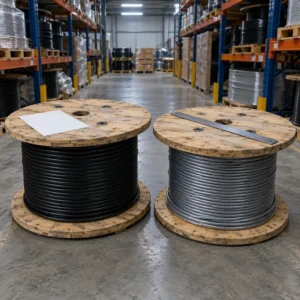
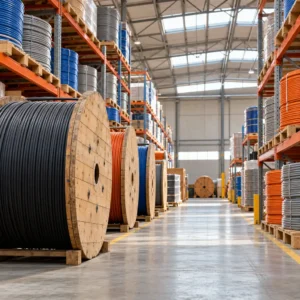
- Drum lengths matched to the building’s handling and storage space
Conclusion
The electrical load in a textile plant is modest; the environment is what makes the cable purchase difficult. Four departments, four service conditions, and the same three fields decide all of them: the ambient and grouping, the chemical list, and the way water reaches the entry. Settle those per department and the order becomes a quantity; leave them out and the plant spends its first year replacing cable in the wet end.
Kexingyu Cable Group (KXYE) supplies building wire, control and screened drive cable, waterproof and chemical-resistant constructions from Quanzhou, and quotes Uzbekistan plant enquiries against the department environment as written, with test documents per drum. Send the machine list with the department column completed, or upload the cable schedule. A request for quotation is the fastest route to start, the enquiry format is set out in our industrial cable RFQ checklist, and the regional sourcing picture in the Uzbekistan supplier checklist.